How can visual bites authentically convey deliciousness to drive foodie clicks?
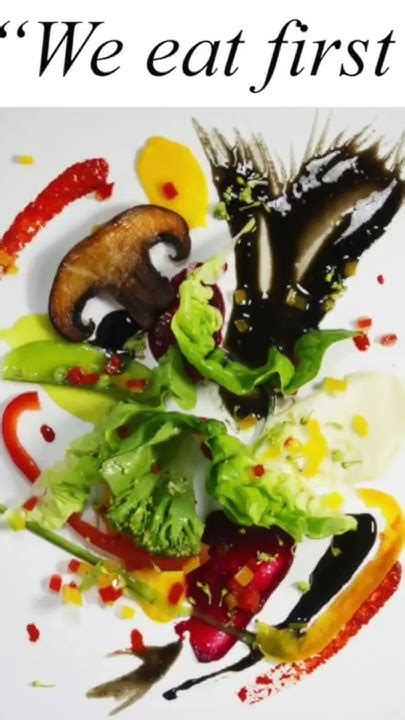
The Irresistible Power of a Perfectly Captured Bite
In today’s visually-driven digital landscape, the phrase “eating with your eyes” has taken on a profound new meaning. For food content creators, restaurateurs, and culinary enthusiasts alike, the challenge isn’t just about cooking delicious food; it’s about making that deliciousness translate authentically through a screen. Visual bites – captivating photos and short videos – are the primary currency in the foodie economy, designed to stop scrolls, ignite cravings, and ultimately drive clicks and engagement. But how does one truly convey the aroma, the texture, and the taste through pixels?

Decoding the Sensory Science of Visual Deliciousness
Authentically conveying deliciousness goes beyond just showing food; it taps into our primal sensory receptors. A truly effective visual bite triggers memories of taste, smell, and texture. Think about the glistening char on a grilled steak, the vibrant condensation on a cold drink, or the gooey stretch of melted cheese. These are not just aesthetic details; they are sensory cues that our brains interpret as indicators of flavor and satisfaction. Understanding these cues is the first step in crafting visuals that resonate.
- Color Vibrancy: Bright, natural colors signal freshness and flavor.
- Texture Emphasis: Close-ups highlighting crispy, chewy, or creamy textures.
- Steam & Heat: A wisp of steam immediately suggests warmth and freshness.
- Gooey & Drippy: Gravy, sauce, or cheese in motion creates an irresistible pull.
Mastering the Art of Food Photography and Videography
Technical skill underpins authentic visual storytelling. It’s about leveraging light, composition, and focus to enhance the food’s natural appeal without artificiality. Natural light is often your best friend, illuminating dishes softly and revealing their true colors. Experiment with different angles – a low angle can make a dish look grand, while an overhead shot is perfect for showcasing an array of ingredients or a beautifully plated meal. Shallow depth of field can draw the viewer’s eye precisely to the most mouth-watering part of the dish.
Key Techniques for Impact:
- Natural Lighting: Use soft, diffused light to avoid harsh shadows and glare.
- Strategic Angles: Capture the dish from its most flattering perspective.
- Crisp Focus: Ensure the hero element of the dish is sharp and inviting.
- Dynamic Composition: Use leading lines or the rule of thirds to guide the eye.
The Power of Authenticity: Real Food, Real Cravings
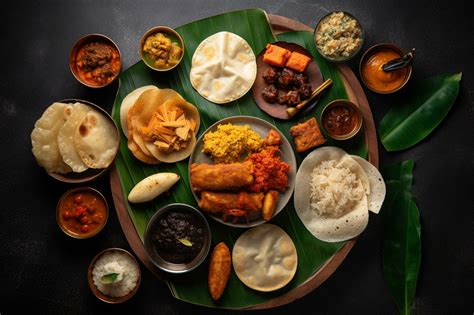
While technical perfection is valuable, authenticity often trumps hyper-stylized perfection. Foodies are increasingly drawn to content that feels genuine and relatable. Showcasing food as it’s meant to be eaten – perhaps a crumbly cookie, a slightly messy burger, or a dish with a spoonful taken out – can feel more inviting and less intimidating than an untouched, pristine plate. This relatability builds trust and makes the deliciousness feel more attainable.
Embrace imperfections that tell a story: a smudge of sauce on the plate that implies richness, or the natural imperfections of homemade bread. Authenticity resonates because it feels honest, allowing the viewer to imagine themselves enjoying that very meal.
Storytelling Beyond the Plate: Contextualizing Deliciousness
Authentic deliciousness isn’t just about the food itself; it’s about the entire experience surrounding it. Storytelling visuals can convey this broader context. This might involve showing the fresh, raw ingredients before they’re cooked, a glimpse of the cooking process, the hands preparing the meal, or the joyful reaction of someone taking the first bite. These elements add layers of narrative that enrich the perceived deliciousness and create a deeper connection with the viewer.
Elements of Visual Storytelling:
- Ingredient Showcase: Highlight fresh, quality components.
- Process Shots: A peek into the making of the dish.
- Human Element: Hands, faces, or shared moments around food.
- Setting the Scene: The ambiance of where the food is enjoyed.
Leveraging Short-Form Video for Dynamic Deliciousness
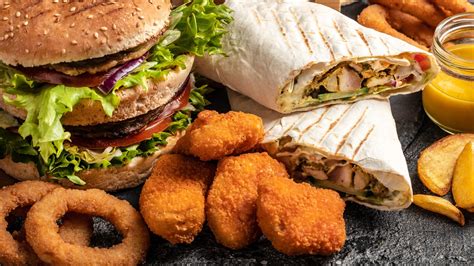
In the age of TikTok and Instagram Reels, short-form video has become an unparalleled tool for conveying dynamic deliciousness. A quick video can capture the sizzle, the steam, the stretch, and the crunch in ways a still photo cannot. Showcase the process, a quick reveal, or a satisfying ASMR-like sound bite. These dynamic visuals are incredibly effective at creating immediate cravings and driving engagement, making the food feel alive and tangible.
Focus on short, punchy clips that highlight key moments of appeal. Think about the cheese pull, the slow pour of a rich sauce, or the crisp break of a fried item. These micro-moments are often what convince a foodie to click, share, or visit.

Conclusion: Crafting Cravings, One Visual Bite at a Time
Driving foodie clicks through authentic visual bites is an art and a science. It requires a deep understanding of sensory appeal, technical proficiency in capturing food, a commitment to genuine representation, and the ability to tell a compelling story. By focusing on natural aesthetics, emphasizing irresistible textures, and embracing the power of both still imagery and dynamic video, creators can consistently produce content that not only looks delicious but truly feels delicious, turning casual browsers into eager eaters and loyal followers. The goal is not just to show food, but to make viewers genuinely crave it.