How can Visual Bites best convey a dish’s texture or aroma, enticing foodies to click?

The Sensory Challenge: Translating Taste and Smell into Sight
In the highly competitive world of online food content, a captivating image is the ultimate hook. Foodies scroll endlessly, their attention fleeting, making the initial visual impression paramount. While photography excels at showcasing color, form, and plating, the true art lies in conveying the intangible: the rich aroma that wafts from a freshly baked pie, or the satisfying crunch of a perfectly fried chicken. How can visual bites transcend mere aesthetics and communicate these sensory experiences, compelling viewers to stop, stare, and most importantly, click?
Mastering Texture: Seeing the Feel of Food
Texture is a cornerstone of culinary delight, providing contrast and satisfaction with every bite. To convey this visually, photographers must become masters of detail and light. Strong, directional lighting – especially side lighting – is invaluable. It creates shadows and highlights that accentuate ridges, edges, and irregularities, making a crispy crust look truly crunchy or a molten chocolate lava cake appear irresistibly gooey. Close-up shots and macro photography allow viewers to almost feel the individual grains of sugar on a pastry or the delicate flakes of a croissant.

Action shots are another powerful tool. A knife slicing through a perfectly seared steak, cheese stretching from a pizza, or frosting being piped onto a cupcake directly illustrates the food’s consistency. Crumbs falling from a muffin, condensation on a cold drink, or the delicate sheen of oil on a sautéed vegetable all provide visual cues that translate directly into textural expectations. Think about presenting a cross-section of a dish to reveal its layered textures, inviting the viewer’s imagination to do the rest.
Evoking Aroma: Smelling Through the Screen
Aroma is arguably the most challenging sense to convey visually, yet it’s crucial for triggering appetite and memory. The most direct visual representation of warmth and freshness is steam. A gentle wisp of steam rising from a hot bowl of soup, a freshly brewed coffee, or a baked dish immediately communicates heat and, by extension, a tantalizing aroma. The key is subtlety; too much steam can obscure the dish.
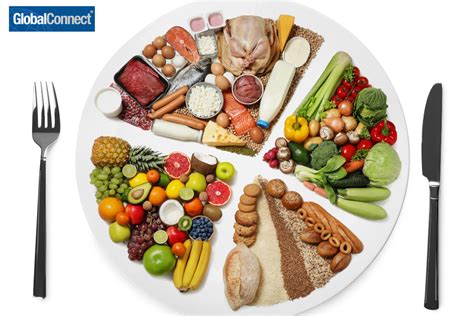
Fresh, vibrant ingredients are potent visual indicators of aroma. Brightly colored herbs like basil, cilantro, or mint, glistening citrus slices, or whole, unblemished spices hint at a depth of flavor and fragrance. Showing these ingredients prominently, perhaps even in their raw form alongside the finished dish, reinforces the message of fresh, aromatic quality. Consider shots that include the action of preparation, such as grating zest, sprinkling fresh herbs, or pouring a fragrant sauce, as these actions visually suggest the release of aromas.
Beyond the food itself, context can play a significant role. A warm, inviting background, perhaps with a soft blur, can evoke a sense of comfort and home-cooked goodness, implicitly suggesting pleasant aromas. The glow of candlelight or a cozy setting can enhance this effect, creating an atmosphere where delicious smells are naturally anticipated.
Crafting the Click-Worthy Visual Narrative
Ultimately, enticing foodies to click involves more than just showcasing ingredients; it’s about telling a story that appeals to all senses, even if only two are directly represented. Combining textural cues with aromatic suggestions creates a rich, immersive visual experience. A shot of a sizzling steak with visible char marks (texture) and a hint of smoke (aroma proxy) is far more compelling than a flat, uninspired image.
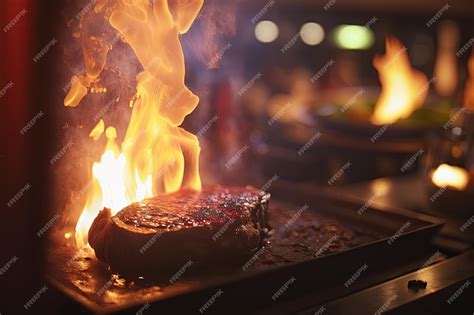
Focus on capturing the “money shot” – that one angle or moment that encapsulates the dish’s most appealing sensory attributes. This could be the perfect cheese pull, the glistening glaze on a dessert, or the vibrant colors of a fresh salad. Use depth of field to draw the eye to these key elements, making them irresistible.

By thoughtfully applying these photographic and styling techniques, creators can transform static images into dynamic sensory invitations. It’s about triggering memory, imagination, and ultimately, an insatiable craving that can only be satisfied by learning more, by clicking through to discover the recipe, the restaurant, or the story behind the dish. In the digital age, the most successful visual bites are those that whisper promises of taste and aroma, making every scroll a tantalizing journey.