How can Visual Bites best convey a recipe’s deliciousness to ‘Real Foodies’?

Understanding the ‘Real Foodie’ Aesthetic
‘Real Foodies’ are a discerning audience. They aren’t merely looking for a pretty picture; they seek authenticity, quality, and a genuine connection to the food they consume. For them, deliciousness isn’t just about taste – it’s an entire experience encompassing the ingredients, the process, and the story behind the dish. Therefore, conveying a recipe’s deliciousness to this group demands a visual strategy that transcends mere glamour shots and dives deep into the heart of the culinary experience.
The Authenticity Imperative: What Real Foodies Seek
Real Foodies gravitate towards visuals that feel honest and unpretentious. They want to see food that looks attainable, wholesome, and prepared with care. This means moving away from overly staged, artificial setups and embracing natural light, genuine textures, and even slight imperfections that hint at homemade goodness. Visuals should communicate transparency about ingredients and preparation methods, fostering trust and a sense of shared values.
Crafting Visual Narratives: Beyond the Perfect Plate
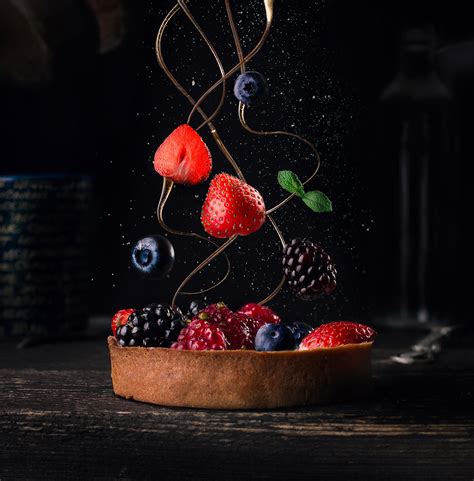
To truly convey deliciousness, visual bites need to tell a story. This isn’t just about the final plated dish, but the journey to get there. Showcasing key ingredients – especially fresh, seasonal produce – can immediately communicate quality and flavor. A close-up of a vibrant herb or a perfectly ripe tomato speaks volumes to someone who values ingredient integrity.
Textures and Layers: A Feast for the Eyes
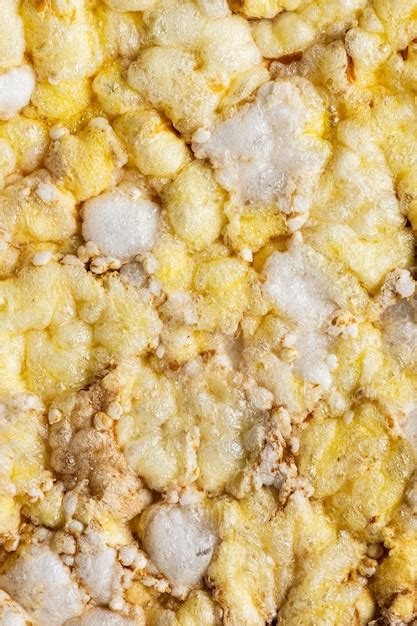
Deliciousness is often tactile. Visuals should highlight the varied textures within a dish: the crispy skin of roasted chicken, the gooey melted cheese, the fluffy interior of a freshly baked bread, or the glistening sauce. Use shallow depth of field to draw attention to these alluring details, inviting the viewer to almost feel the food through the screen. Layering ingredients in a natural, appetizing way also adds depth and visual interest, suggesting complexity of flavor.
The Art of the Imperfect: Relatability Wins
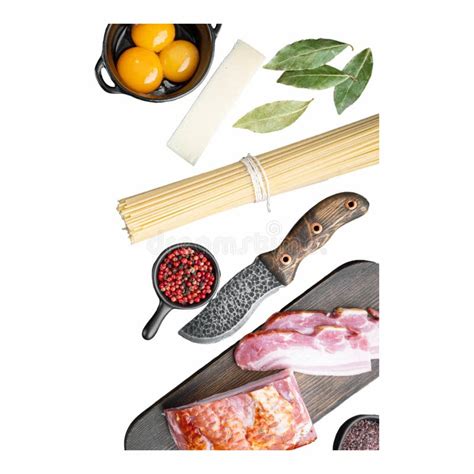
While professional photography aims for perfection, for Real Foodies, a touch of imperfection can be incredibly appealing. A sprinkle of flour on a countertop, a knife mark on a cutting board, or a slight drip of sauce on the side of a bowl can make the image feel more human, more relatable, and ultimately, more delicious. It suggests that this food was made by hands, not in a sterile studio.
Evoking Sensory Experience: Taste, Smell, and Sound Through Sight
The ultimate goal is to make the viewer feel like they can almost taste, smell, and hear the food. This is where sensory cues become vital:
- Steam: A wisp of steam rising from a hot dish instantly conveys warmth, freshness, and immediate deliciousness.
- Sizzle: While visual, capturing the texture that implies a sizzle (e.g., crispy edges, bubbling sauce) hints at sound and temperature.
- Juiciness/Moisture: Glistening surfaces, drips of sauce, or a perfectly cut piece of meat revealing its succulent interior all communicate richness and flavor.
- Vibrant Colors: Natural, vibrant colors of fresh ingredients are inherently appetizing and suggest a spectrum of flavors.
Storytelling Through Composition: From Farm to Fork
Consider the broader context of the food. What props or backgrounds can enhance the narrative without distracting from the dish? Rustic wooden tables, linen napkins, or even a glimpse of the kitchen environment can add to the story. Showing hands actively engaged in preparation – kneading dough, chopping vegetables, garnishing a plate – can add an intimate and authentic touch that resonates deeply with Real Foodies. These images convey the effort, passion, and traditional methods often valued by this audience.

Conclusion: The Recipe for Visual Success
To best convey a recipe’s deliciousness to ‘Real Foodies,’ visual bites must be a symphony of authenticity, sensory appeal, and narrative depth. Focus on natural beauty, highlight quality ingredients, celebrate textures, embrace relatable imperfections, and capture moments that evoke the full sensory experience. By doing so, visual content can move beyond mere attraction to truly communicate the heart and soul of delicious food, fostering a deeper connection with a discerning audience that appreciates the genuine artistry of cooking.