How can Visual Bites best convey food taste/texture to boost recipe conversions?
The Challenge of Communicating Culinary Sensation Visually
In the digital age, a recipe’s success often hinges on its visual representation. For platforms centered on ‘visual bites,’ the core challenge is to transcend mere appearance and effectively convey the nuanced taste and satisfying texture of a dish. This is not just about making food look good; it’s about making viewers feel the crunch, taste the sweetness, or experience the creaminess, thereby directly boosting recipe conversions.
Mastering this art requires a multi-faceted approach, combining high-quality imagery, engaging video, and clever descriptive techniques that tap into the viewer’s imagination and appetite. The goal is to create an irresistible desire to recreate the dish.
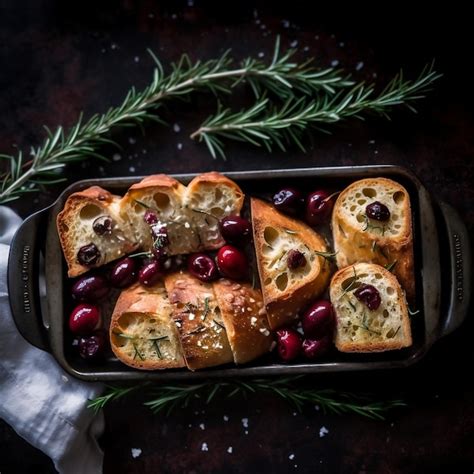
High-Impact Photography: Focusing on Sensory Details
Still photography is the first line of defense in conveying food’s appeal. It needs to be more than just pretty; it must be evocative. Consider these aspects:
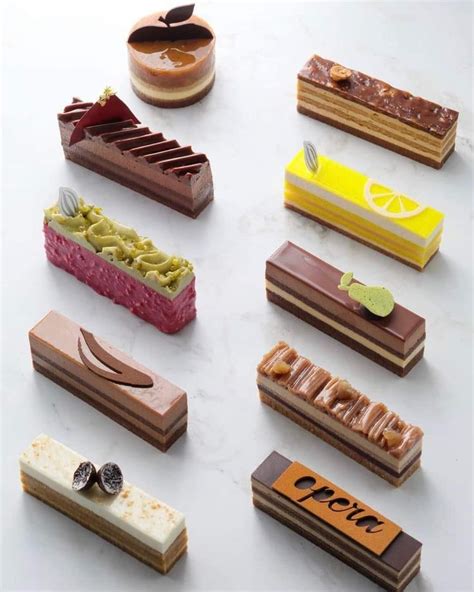
- Macro Shots for Texture: Get up close. Show the crispy edges of a cookie, the flaky layers of a pastry, the gooey melted cheese, or the tiny bubbles in a perfectly risen bread. These details tell a story about the food’s tactile quality.
- Strategic Lighting: Use lighting to emphasize depth and dimension. Backlighting can highlight steam, indicating warmth, while side lighting can accentuate texture and create appealing shadows.
- Action Shots (Implied): While a still image, you can imply action. A slice being lifted, revealing layers; a fork piercing a fluffy cake; a drizzle of sauce. These moments capture the ‘before’ and ‘after’ of interaction, suggesting taste and texture.
- Color and Freshness: Vibrant, natural colors suggest fresh ingredients and delicious flavors. Avoid over-editing that makes food look artificial.
Dynamic Video Content: Bringing Recipes to Life
Video is unparalleled in its ability to communicate motion, sound, and the passage of time, all crucial for conveying taste and texture:
- ASMR and Sound Design: The sizzling of ingredients, the crunch of a bite, the bubbling of a sauce—these sounds directly stimulate the viewer’s senses and build anticipation.
- Slow-Motion Reveals: Use slow-motion to showcase textures in detail. A pour of thick syrup, the stretch of mozzarella, the delicate crumble of a topping.
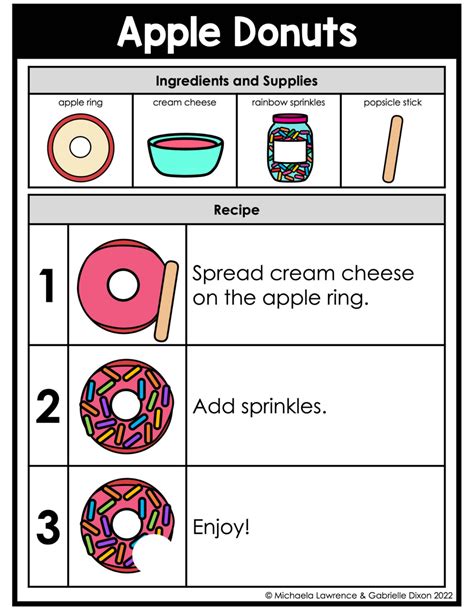
- Process Highlighting: Show key moments in the cooking process that impact texture, like kneading dough, whisking eggs until fluffy, or achieving a perfect sear. This educates and entices.
- The ‘First Bite’ Moment: A short clip of someone taking a first bite, with a genuine reaction, can be incredibly persuasive, suggesting the delightful outcome of the recipe.
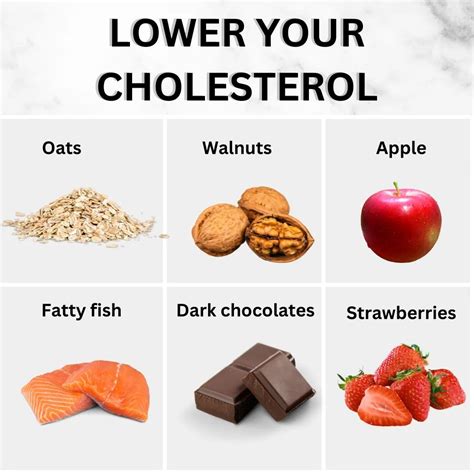
Descriptive Overlays and Textual Reinforcement
While visuals are primary, accompanying text can elevate their impact. Use succinct, evocative language directly on or alongside the visual bite:
- Sensory Adjectives: Words like ‘velvety,’ ‘crisp,’ ‘zesty,’ ‘tender,’ ‘succulent,’ or ‘airy’ directly guide the viewer’s interpretation of the visuals.
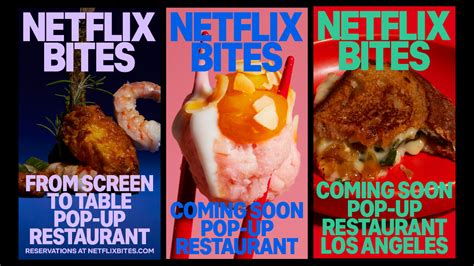
- Benefit-Oriented Captions: Instead of just naming ingredients, describe the experience. E.g., ‘That satisfying crunch!’ or ‘Melt-in-your-mouth perfection.’
- Quick Text Overlays: In video, brief text overlays can point out a specific texture or flavor note as it appears on screen, reinforcing the message.
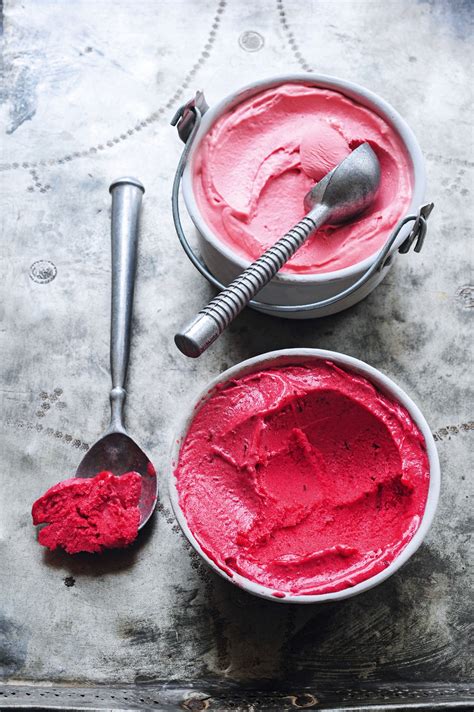
Interactive and User-Generated Content
Engaging the audience more directly can also amplify the message of taste and texture:
- 360-Degree Views: For certain dishes, a 360-degree interactive view can allow users to inspect the dish from all angles, offering a more complete understanding of its form and implied texture.
- User-Generated Content (UGC): Encourage users to share their own visual bites after trying a recipe. Authentic photos and videos from real people enjoying the dish can be incredibly powerful social proof, especially if they highlight texture and satisfaction.
- Live Q&A Sessions: Chefs or creators can demonstrate textures live, answering questions about how to achieve specific results, building trust and engagement.
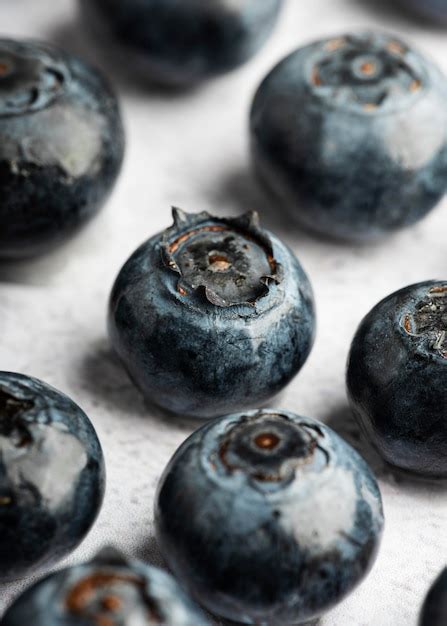
Consistency and Authenticity
Finally, consistency in presentation and an unwavering commitment to authenticity are crucial. If a dish is meant to be chewy, ensure the visuals convey chewiness. If it’s a light and airy dessert, the visuals should reflect that. Misleading visuals can damage trust and reduce conversions in the long run.
By consciously integrating these visual strategies—from meticulous photography and dynamic videography to sensory language and interactive elements—visual bites can move beyond mere display to truly communicate the taste and texture of food, turning casual viewers into enthusiastic recipe converters. It’s about creating an immersive, delicious experience that begins even before the first ingredient is prepped.