How can Visual Bites’ composition compel foodies to click for the full recipe?
The Power of First Impressions in Food Media
In the bustling digital landscape, where attention spans are fleeting, food content faces an enormous challenge: to stand out. For platforms like Visual Bites, the initial visual encounter with a dish is not just an opportunity; it’s the entire battleground. A single, well-composed image isn’t merely a picture of food; it’s a meticulously crafted invitation, a silent storyteller, and an emotional trigger designed to ignite curiosity and desire. This intrinsic desire is the powerful catalyst that transforms a casual scroll into an intentional click, leading food enthusiasts to delve into the depths of a full recipe.
The art of compelling visual composition in food photography goes beyond mere aesthetics. It’s about strategically arranging elements to create a harmonious and appetizing narrative that resonates with the viewer, promising a delightful culinary experience that they simply must recreate.
Mastering Compositional Elements for Engagement
Great food photography is rarely an accident; it’s a deliberate orchestration of several time-honored compositional techniques, each playing a crucial role in guiding the viewer’s eye and creating an irresistible appeal.

Rule of Thirds and Leading Lines
The Rule of Thirds is a fundamental principle that guides the viewer’s eye, suggesting that key elements should be placed at the intersection points of an imaginary 3×3 grid. This creates visual balance and interest, making the image more dynamic and engaging. Complementing this, leading lines—whether a row of perfectly aligned pastries, the curve of a spoon pointing towards the star ingredient, or the natural lines of a cutting board—draw the eye deeper into the frame. These subtle visual cues guide the viewer towards the most appealing part of the food, mimicking the journey a foodie might take towards discovering a new recipe, making the click feel like a natural progression.
Negative Space and Depth of Field
Utilizing negative space effectively can dramatically enhance a dish’s presence. By intentionally leaving empty areas around the subject, clutter is removed, allowing the food to breathe and stand out with greater impact. A shallow depth of field, achieved by blurring the background, ensures the hero dish is the undisputed star of the show. This technique creates a beautiful bokeh effect, making the food pop and appear almost tangible, fostering an almost immediate connection that beckons a closer look—and an inevitable click to uncover the recipe details.
Leveraging Color, Texture, and Props for Visual Storytelling
Beyond fundamental compositional guidelines, the sensory details captured within an image are paramount. The visual representation of a dish needs to speak to more than just the eyes; it must evoke the senses of taste, smell, and even touch.
The Allure of Color and Texture
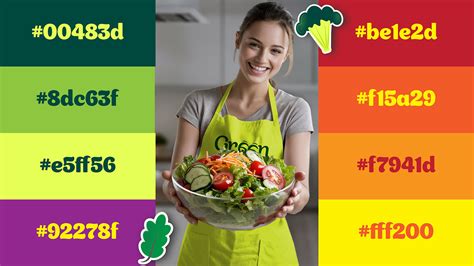
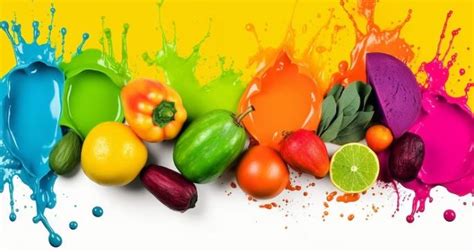
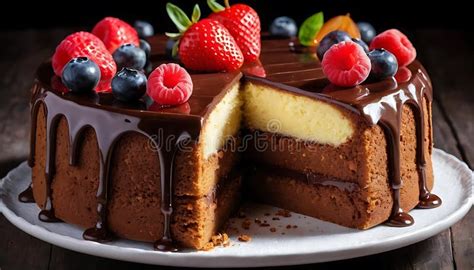
Vibrant, natural colors make food appear fresh, healthy, and incredibly appetizing. Think of the rich reds of ripe berries, the earthy greens of herbs, or the golden-brown crust of a perfectly baked pie. Contrasting textures further add visual interest and stimulate the imagination; the crispiness of a fried outer layer next to a creamy interior, or glossy sauce drizzled over a rustic, crumbly cake. These elements don’t just look good; they hint at the delightful experience of eating the dish, urging the viewer to imagine the sensation and thus encouraging them to explore the recipe.
Thoughtful Prop Selection and Styling
Props, when chosen judiciously, should complement the dish, adding context and character without distracting from the main subject. Rustic wooden cutting boards, elegant cutlery, a scattering of fresh herbs, a linen napkin, or even a subtle human element like a hand reaching for a piece of bread, can add depth, scale, and a sense of immediacy. They tell a story about the dish’s preparation, its serving, or the moment it’s about to be enjoyed, making it more relatable and enticing. Every prop should serve a purpose, enhancing the narrative and making the entire scene more desirable.
The Critical Role of Lighting and Perspective
Even the most meticulously styled dish can fall flat without the right illumination and viewpoint. Good lighting can elevate a simple dish to gourmet status, while a clever angle can highlight its most appealing features, making it utterly irresistible.
Natural Light is Your Best Friend
Soft, diffused natural light is almost always superior for food photography. It creates inviting shadows and highlights that give food dimension, texture, and a sense of realism. Positioning the dish near a window, out of direct sunlight, provides that gentle, flattering glow. Harsh, direct light, in contrast, can create unflattering glare, washed-out colors, and deep, unappealing shadows that detract from the food’s allure. The right light makes the food look fresh, appetizing, and utterly inviting.
Choosing the Right Angle
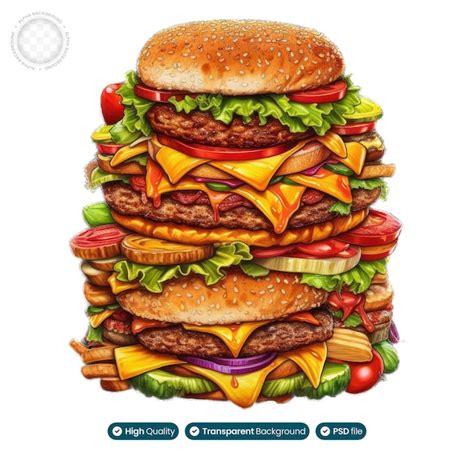
The perspective from which a dish is photographed significantly impacts its perceived appeal. A direct overhead shot (flat lay) works wonders for bowls, pizzas, and dishes with beautiful toppings, offering a clean, graphic appeal that showcases all elements equally. A 45-degree angle often mimics a diner’s perspective, making the food feel accessible, intimate, and ready to be enjoyed. For dishes with height or intricate layers, like a multi-tiered cake or a stacked burger, a straight-on eye-level shot can emphasize their structure and grandeur. The chosen angle should always be the one that best showcases the dish’s unique features, creating an undeniable visual draw.
Storytelling and Emotion: The Human Connection
Ultimately, compelling food photography is about more than just aesthetics; it’s about evoking a feeling, a memory, or an aspiration. It’s about creating a narrative that speaks directly to the foodie’s soul.
Evoking Senses Beyond Sight
A truly well-composed image should transcend the visual, making viewers almost smell the fragrant spices, taste the sweetness or savory notes, or feel the warmth of a freshly baked good. Visual cues like steam rising from a hot dish, a perfectly melted cheese pull, a drizzle of luscious sauce, or a beautifully browned and crusty surface are powerful triggers. These elements activate other senses in the viewer’s mind, pushing foodies from passive viewing to active desire, compelling them to learn how to achieve such deliciousness.
The Human Element
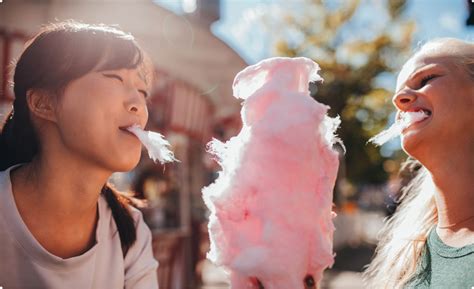
Sometimes, incorporating a subtle human element can significantly enhance the emotional connection. A hand holding a fork poised to dig in, a sprinkle of fresh garnish, or even a slight, authentic imperfection—like a crumb on the plate or a smudged rim—can add a sense of authenticity and relatability. This human touch makes the food feel more attainable and real, fostering a connection that suggests, “you too can create and enjoy this,” thereby encouraging further engagement and clicks for the recipe.
Conclusion: Crafting Irresistible Visual Narratives
The journey from a fleeting glance on a social media feed to a full recipe click is intricately paved with intentional visual storytelling. For Visual Bites, mastering this journey means meticulously considering every aspect of an image’s composition. By expertly orchestrating elements like the rule of thirds, leading lines, the strategic use of negative space, and a shallow depth of field, alongside the careful selection of colors, textures, props, lighting, and angles, Visual Bites can create images that do more than just display food. They spark curiosity, ignite desire, and ultimately, compel foodies to dive deeper into the culinary narrative.
It’s about crafting an immersive experience, one compelling visual “bite” at a time, that promises a delicious and achievable reward for those who choose to explore further. In the competitive world of food content, effective composition isn’t just an art; it’s the most powerful tool for engagement and conversion.