How can visual bites consistently evoke a ‘crave-worthy’ response from foodies?
The Power of the Palate, Through the Lens
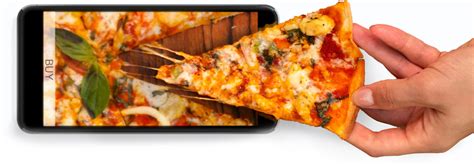
In the digital age, a picture is worth more than a thousand words – it can be worth a thousand cravings. For foodies, the journey from seeing to savoring often begins with a captivating visual bite. But what precisely transforms a mere photograph of food into an irresistible, ‘crave-worthy’ experience that resonates deeply with hungry eyes and anticipating stomachs? It’s an intricate dance of art, psychology, and technical mastery, aimed at stimulating not just appetite, but also desire, nostalgia, and a sense of indulgent possibility.
Mastering the Art of Lighting: Illuminating Desire
Lighting is arguably the most critical element in food photography. It sets the mood, highlights textures, and dictates the overall appeal of a dish. Soft, diffused natural light, often achieved near a window, creates inviting shadows and emphasizes the food’s freshness and warmth. Dramatic side lighting can enhance dimensionality, making a dish appear more tangible and alluring. Conversely, harsh, direct light can flatten features and create unattractive glare. Understanding how light interacts with different foods – the sheen on a glazed donut, the crispness of a salad, the steam rising from a hot dish – is key to making it visually irresistible.
Composition and Angles: Framing the Feast
The way a dish is framed and presented guides the viewer’s eye and dictates their perception. Employing principles like the rule of thirds, leading lines, and negative space can create a balanced and aesthetically pleasing image. Overhead flatlays are popular for showcasing a spread, while a close-up can highlight intricate details, vibrant colors, or inviting textures like melting cheese or a perfectly seared crust. Shooting from a diner’s perspective can create an immersive feel, making the viewer imagine themselves at the table. Each angle tells a different story and elicits a unique response.
Color, Texture, and Contrast: A Sensory Symphony
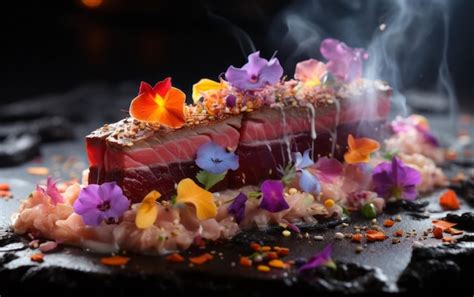
Food appeals to multiple senses, and visual bites must convey this sensory richness. Vibrant, natural colors—the deep red of berries, the vivid green of herbs—signal freshness and flavor. Textures, from the flaky crust of a pie to the gooey center of a lava cake, are crucial in conveying the experience of eating. Highlighting contrast, whether between colors, textures (e.g., crispy bacon against creamy eggs), or even light and shadow, adds dynamism and excitement to the image. These elements combine to create a visual symphony that tantalizes the taste buds even before the first bite.
Storytelling and Authenticity: More Than Just a Meal
Truly crave-worthy visuals go beyond mere presentation; they tell a story. This can involve showing hands interacting with the food, a subtle drip of sauce, a scattering of ingredients that suggests freshness and homemade quality, or a background that provides context (e.g., a rustic kitchen table, a vibrant market). Authenticity resonates deeply with foodies. Perfect, sterile shots can sometimes feel unapproachable; a hint of imperfection, like a crumb out of place or a smudged plate, can make the food feel more real, inviting, and attainable. This storytelling aspect connects the viewer emotionally to the food, making them desire the experience as much as the dish itself.
Emotional Connection: Tapping into Hunger and Nostalgia
The most potent visual bites tap into emotions. A warm, steaming bowl of soup can evoke feelings of comfort and nostalgia. A decadent dessert can trigger desires for indulgence and celebration. Understanding the psychological triggers behind food cravings allows photographers and stylists to craft images that resonate on a deeper level. Focus on emotions like joy, satisfaction, warmth, or excitement to create a powerful connection that transcends mere hunger.

The Role of Props and Styling: Enhancing the Narrative
Props and styling elements should always serve to enhance the food, not overshadow it. Simple, complementary dishware, rustic cutting boards, fresh linens, or strategically placed ingredients can add depth and character to a visual bite. The goal is to create an entire scene that feels inviting and cohesive, adding to the overall narrative without distracting from the star of the show: the food itself. Less is often more; every prop should have a purpose in making the food look more appealing and ‘crave-worthy’.
Consistency and Brand Voice: Building Trust and Anticipation
For individuals or brands, maintaining a consistent visual style is crucial for building recognition and trust. A distinct aesthetic—whether bright and airy, dark and moody, or vibrant and eclectic—helps foodies identify and connect with your content. Consistent quality and style build anticipation, making viewers actively seek out new ‘visual bites’ from a trusted source, knowing they will consistently deliver that crave-worthy feeling.
From Screen to Sensation
Ultimately, evoking a ‘crave-worthy’ response from foodies through visual bites is a sophisticated blend of technical skill and emotional intelligence. It’s about meticulously crafting an image that not only showcases the food’s physical attributes but also whispers promises of flavor, texture, and satisfaction. By mastering lighting, composition, color, and texture, while also embracing storytelling, authenticity, and emotional connection, creators can consistently transform a simple photograph into an irresistible call to culinary action, turning casual viewers into ardent admirers with grumbling stomachs.