How can Visual Bites convey sensory details beyond sight for true foodie engagement?

The Multi-Sensory World of Food and the Visual Challenge
In the vibrant realm of food, engagement extends far beyond what meets the eye. A truly captivating culinary experience is a symphony of senses: the aroma that wafts from a simmering pot, the crisp sound of a perfectly baked crust, the velvety texture of a rich sauce, and of course, the unforgettable taste. For “Visual Bites” – the images and short videos that dominate our digital food landscape – the primary challenge is to bridge this sensory gap. How can a static or short-form visual hint at the delectable nuances that exist beyond sight?
While a stunning photograph can initially draw attention, its true power lies in its ability to trigger memory and imagination, making the viewer feel, smell, and even taste what they’re seeing. This requires a deliberate and sophisticated approach to visual storytelling.
Crafting Visual Cues for Non-Visual Senses
Texture and Touch: Inviting the Tactile Imagination
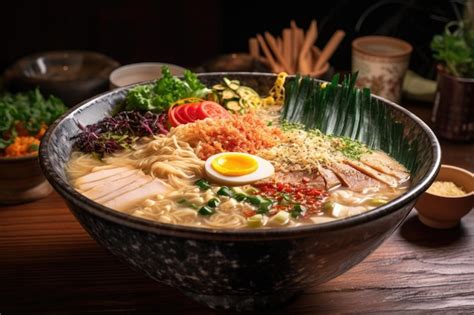
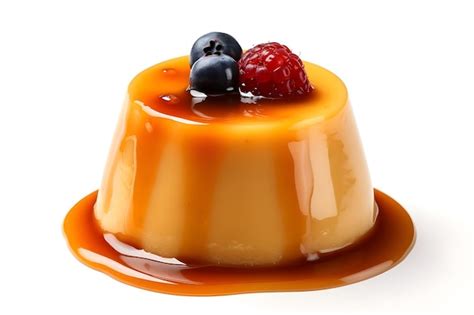
One of the most effective ways Visual Bites can convey beyond sight is by emphasizing texture. Close-up shots revealing crispy edges, gooey molten centers, flaky layers of pastry, or the smooth sheen of a perfectly reduced sauce all invite the tactile imagination. Viewers can almost feel the crunch, the stickiness, or the melt-in-your-mouth sensation.
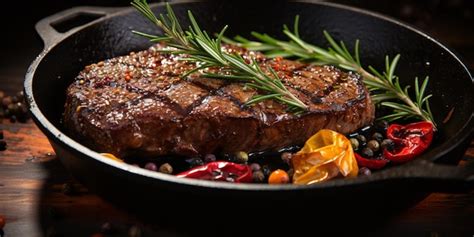
Consider the visual cues of condensation on a chilled glass, the glistening fat on a perfectly cooked piece of meat, or the delicate bubbles in a carbonated drink. These details are not just aesthetic; they are sensory triggers, prompting our brains to recall the physical sensations associated with them.
Aroma and Taste: The Power of Suggestion
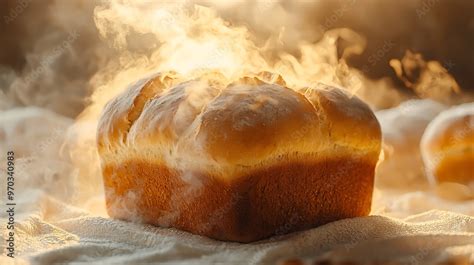
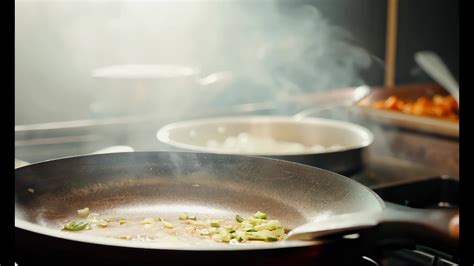
Aroma, though invisible, can be powerfully suggested through visual cues. Plumes of steam rising from a hot dish, sizzling oil in a pan, browning edges on roasted vegetables, or the vibrant colors of fresh herbs and spices all hint at an imminent burst of fragrance. The visual presentation of fresh, high-quality ingredients inherently suggests deliciousness, promising a rich flavor profile.
Juxtaposing raw, fresh ingredients with the finished dish can also tell a story of transformation and flavor development. A perfectly golden-brown crust, a rich red sauce, or the bright green of fresh produce are visual promises of taste.
Sound and Sensation: Activating Auditory Memory
Even in a static image, the implication of sound can be profound. A fork cutting through a perfectly crisp piece of pie, a molten cheese pull, or bubbling sauce can all evoke the associated sounds in the viewer’s mind. These visuals tap into our stored auditory memories, adding another layer to the sensory experience.
Temperature: Communicating Heat and Cold
Communicating temperature is crucial. Rising steam from a freshly brewed coffee or a hot bowl of soup immediately conveys warmth and comfort. Conversely, frost on a glass, ice crystals on a dessert, or condensation beaded on a cold beverage signals refreshing coolness. These visual indicators help the viewer anticipate the physical sensation of the food.
Strategic Composition and Storytelling
Action Shots and Motion
Incorporating action – a hand reaching for a piece of food, a chef sprinkling salt, a perfectly executed pour, or a gentle stir – adds dynamism and interactivity. These shots don’t just show the food; they show the experience of interacting with it, drawing the viewer into the moment and making the visual bite more relatable and evocative.
Context and Environment
Presenting food within its context, be it a cozy café, a bustling market, or a beautifully set dining table, adds layers of sensory information. The background can hint at ambiance, cultural heritage, or the freshness of ingredients, enhancing the overall narrative and inviting deeper engagement.
Descriptive Language and Captions
Visual Bites should not stand alone. Accompanying descriptive text, whether in a caption or an overlay, is vital. Using evocative adjectives to describe the crunch, the zest, the richness, or the aroma guides the viewer’s imagination, filling in the sensory blanks that even the best visual can only hint at. This textual support transforms a simple image into a multi-sensory story.
The Ultimate Payoff: True Foodie Engagement
By mastering these techniques, Visual Bites transcend mere aesthetics. They become powerful conduits for the full sensory spectrum of food, moving beyond just showing what something looks like to suggesting what it tastes, smells, feels, and even sounds like. This sophisticated approach fosters a deeper, more emotional connection with the audience.
This multi-sensory engagement is what converts casual viewers into passionate foodies. It inspires desire, encourages exploration, and builds a community around shared culinary experiences. Ultimately, a Visual Bite that successfully conveys sensory details beyond sight doesn’t just make you hungry; it makes you crave the entire experience, transforming a digital interaction into a truly immersive journey for the palate and the imagination.