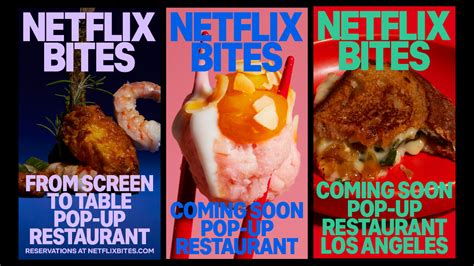
How can Visual Bites convey taste and texture best to real foodies?

Capturing the Unseen: The Challenge of Visualizing Taste and Texture
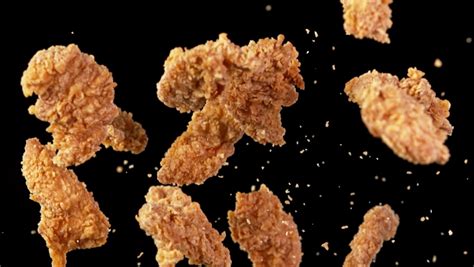
For true food connoisseurs, a dish isn’t just about how it looks; it’s an intricate dance of flavors, aromas, and mouthfeel. The challenge for “Visual Bites” – be it stunning photography or captivating short videos – is to transcend mere aesthetics and communicate these profound sensory experiences. How does one visually convey the crispness of a perfectly fried chicken, the melt-in-your-mouth richness of a slow-cooked short rib, or the vibrant acidity of a fresh ceviche? It demands a strategic and nuanced approach, moving beyond simple presentation to sensory storytelling.
Mastering Texture: The Tactile Illusion
Texture is perhaps the most direct sensory attribute that visuals can influence. Real foodies crave an understanding of what a dish will feel like in their mouth. To convey this, visual artists must focus on detail and dynamic representation:
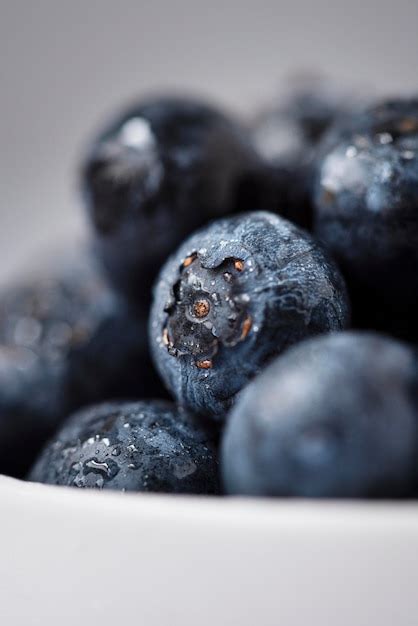
- Macro Photography: Get intimately close. Show the individual grains of a flaky pastry, the glistening bubbles of a rich sauce, or the delicate fibers of slow-braised meat. These details hint at tenderness, crunch, or chewiness.
- Light and Shadow Play: Expert lighting can emphasize surface qualities. A sharp highlight can accentuate crispness, while soft, diffused light can suggest a smooth, creamy consistency. Shadows add depth, revealing contours and unevenness that speak volumes about a food’s structure.
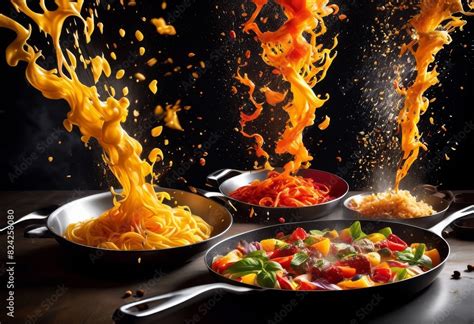
- Action Shots: Nothing conveys texture like seeing it in motion. A fork breaking through a crust, cheese stretching in a molten pull, a drizzle of sauce slowly coating a surface, or steam rising from a hot dish – these moments are invaluable. They provide a fleeting, yet powerful, preview of the eating experience.
Evoking Taste: A Symphony of Color, Freshness, and Juxtaposition
Taste is more abstract, relying heavily on cross-sensory cues. Visual Bites can trigger taste expectations by:
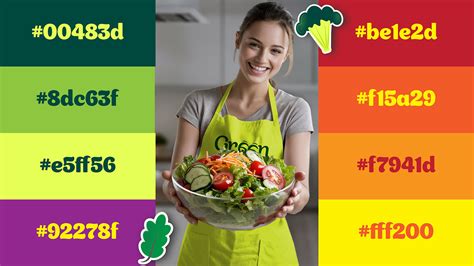
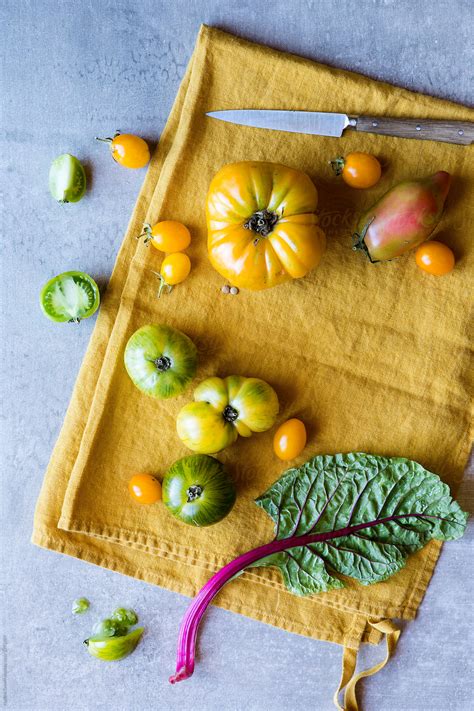
- Vibrant Colors: The natural vibrancy of ingredients often correlates with freshness and flavor intensity. Bright greens, deep reds, and rich yellows signal ripe, delicious components. Over-processed or dull colors, conversely, suggest a lack of vitality.
- Moisture and Juiciness: A glistening surface, beads of condensation, or visible juices can imply succulence and flavor. Think of the sheen on a perfectly cooked steak, the glistening flesh of a ripe fruit, or the liquid coating a spicy noodle dish.
- Ingredient Storytelling: Showing key ingredients alongside the finished dish can immediately communicate flavor profiles. A sprig of rosemary next to a lamb dish, fresh chili peppers with a spicy stir-fry, or a bowl of berries accompanying a dessert all serve as visual hints at the underlying taste.
Beyond the Plate: Context, Authenticity, and Narrative
Real foodies appreciate the provenance and craftsmanship behind their food. Visual Bites can elevate their experience by:
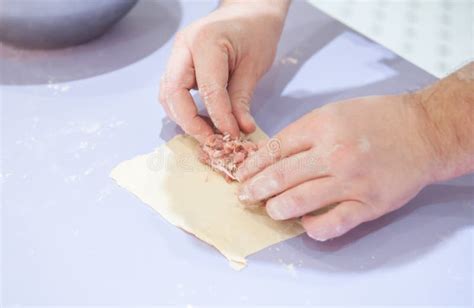
- Process Glimpses: A quick shot of a chef’s hands kneading dough, slicing vegetables with precision, or tending to a wood-fired oven adds a layer of authenticity and hints at the care that goes into a dish. This conveys a sense of traditional preparation and quality.
- Environmental Cues: The backdrop can speak volumes. A rustic wooden table suggests homestyle comfort, while a minimalist, elegant setting implies sophistication. These elements subconsciously influence perception of taste and quality.
- Authentic Storytelling: Rather than just showing a static plate, create a narrative. Show the ingredients being sourced, the dish being prepared, and finally, the moment of enjoyment. This holistic view deepens the connection and builds anticipation.
The Dynamic Edge: Short Videos and GIFs
While still photography is powerful, the advent of short-form video and GIFs has revolutionized how textures and tastes can be conveyed dynamically. A 3-second loop of a molten chocolate lava cake oozing, steam rising from a pho bowl, or noodles being tossed in a wok provides an unparalleled sensory tease that still images often struggle to capture. These “visual bites” are truly dynamic, offering a fleeting, yet incredibly potent, preview of the culinary experience that engages the viewer’s imagination more deeply.
Conclusion: Crafting a Sensory Masterpiece
Conveying taste and texture through visuals is an art form that requires more than just a good camera; it demands a deep understanding of food, light, and human perception. By meticulously focusing on macro details, leveraging dynamic action, embracing vibrant colors, providing authentic context, and harnessing the power of motion, creators of Visual Bites can move beyond mere presentation. They can truly unlock the full sensory potential of a dish, speaking directly to the sophisticated palates and discerning eyes of real foodies, transforming a visual impression into a powerful culinary craving.