How can Visual Bites convey taste & texture for real foodies effectively?

The Multisensory Challenge: Bridging the Gap from Sight to Sensation
For true foodies, dining is an exploration of the senses. It’s not just about what a dish looks like, but how it tastes, smells, feels in the mouth, and even sounds. The profound challenge for visual content creators, therefore, lies in translating these complex, multisensory experiences into compelling images or videos. How can a static photograph or a short video clip truly communicate the crispiness of a fried onion, the silky richness of a béchamel, or the vibrant tang of a passion fruit curd? It demands a sophisticated understanding of visual cues and psychological triggers.
Mastering the Art of Visual Taste Communication
Conveying taste visually often boils down to hinting at the flavor profile through associated visual elements. A few key strategies are paramount:
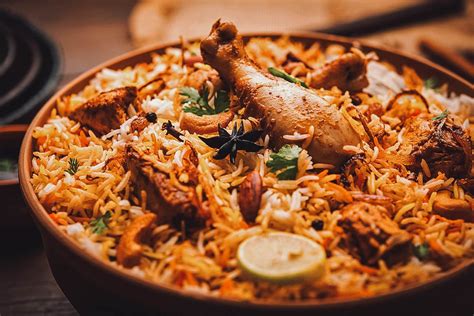
- Vibrant Colors & Natural Hues: Fresh, vivid colors scream freshness and natural flavor. A perfectly ripe strawberry or a vibrant green pesto immediately suggests its inherent deliciousness. Avoid over-filtering that distorts natural food colors.
- Strategic Lighting: Glistening sauces, perfectly caramelized edges, or the sheen on a piece of roasted meat all indicate moisture and flavor. Warm, inviting lighting can make a dish appear comforting and delicious, while cool, crisp light might emphasize freshness.
- Plating & Composition: Thoughtful plating can tell a story about the dish’s flavor balance. A sprinkle of chili flakes suggests heat, fresh herbs imply herbaceous notes, and a drizzle of balsamic reduction hints at sweetness and acidity. The overall composition should be inviting and appetizing.
- Highlighting Key Ingredients: Showcase the star components. A clear view of a plump, pan-seared scallop or the vibrant speckles of vanilla bean in a custard can elevate perception of quality and taste.
Unlocking Texture Through the Lens
Translating texture visually is arguably even more challenging but crucial for foodies. It’s about making the viewer feel the dish with their eyes:
- Macro & Close-Up Shots: These are invaluable for revealing intricate textures. Think of the flaky layers of a croissant, the individual grains of a perfectly cooked risotto, or the rough, bubbly crust of a sourdough loaf.
- Interaction with Light: Observe how light interacts with the food’s surface. A creamy soup will reflect light differently than a crunchy salad. Light catching the jagged edges of a potato chip instantly conveys its crispness, while a smooth, glossy glaze on a cake implies softness.
- Cross-Sections & Layers: Cutting open a dish to reveal its interior layers (e.g., a perfectly medium-rare steak, a multi-layered cake, or a gooey-centered lava cake) provides undeniable proof of its internal texture.
- Implied Movement & Action Shots: A fork piercing a tender piece of fish, a knife slicing through crusty bread, or steam rising from a hot bowl of soup can all communicate texture. Even static images can imply movement through strategic composition.
- “Messy” Authenticity: Sometimes, a slightly messy drizzle of sauce, crumbs around a dessert, or a dollop of cream conveys a more approachable and real texture than overly perfect, sterile imagery.
The Role of Context and Storytelling
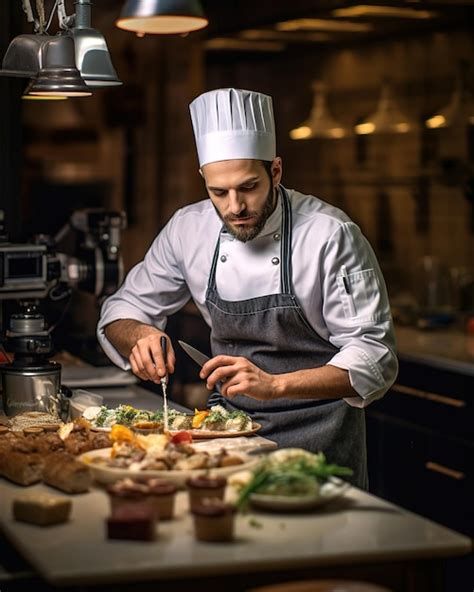
Beyond the immediate visual of the food itself, the surrounding context and narrative can significantly enhance the perception of taste and texture. Showing the fresh ingredients before cooking, a chef meticulously plating a dish, or even the ambiance of where the food is served adds layers of meaning. Foodies appreciate the journey and the craftsmanship. A story about locally sourced produce or a chef’s unique technique can elevate the perceived quality and experience, preparing the viewer to “taste” the story through the visuals.

Leveraging Video and Immersive Experiences
While static images are powerful, video offers an even richer canvas for conveying taste and texture. Short clips showing the “give” of a perfectly baked cake, the sizzle of a steak, the bubbling of a rich stew, or a sauce dripping luxuriantly can provide dynamic cues that still images cannot. ASMR (Autonomous Sensory Meridian Response) food content, with its emphasis on sounds of crunching, sizzling, and slurping, further pushes the boundaries of sensory communication, engaging more than just the visual sense. As technology advances, virtual and augmented reality could offer truly immersive experiences, allowing foodies to “interact” with a dish before they even taste it.
Conclusion: The Art and Science of Visual Gastronomy
For real foodies, Visual Bites are more than just pretty pictures; they are a critical language, speaking directly to their palate and adventurous spirit. Effectively conveying taste and texture requires a thoughtful blend of photographic technique, expert styling, and a deep empathy for the foodie’s desire for an authentic, delicious experience. By meticulously focusing on color, light, composition, context, and leveraging dynamic media, content creators can transform mere visuals into powerful invitations to a memorable culinary journey, satisfying the sophisticated demands of today’s discerning epicures.