How can Visual Bites drive hungry foodies to full recipe pages?

In the bustling digital landscape of food content, attention spans are fleeting, and the competition for eyeballs is fierce. Food enthusiasts, or ‘foodies,’ are constantly scrolling through a deluge of delicious imagery and tantalizing videos. This environment makes “Visual Bites” not just an advantage, but a necessity for anyone looking to draw traffic to their detailed recipe pages. But how exactly do these delectable snippets convert casual browsers into dedicated chefs?
The Irresistible Allure of Visual Bites
Visual Bites encompass short, highly engaging pieces of food-related visual content – think vibrant photos, quick stop-motion videos, sizzling GIFs, or quick-cut recipe reels. They are designed to deliver an immediate sensory punch, offering a glimpse of culinary delight without the commitment of a full read. Their power lies in their ability to evoke hunger, curiosity, and the desire to create the depicted dish.
Why Short-Form Visuals Captivate Foodies
The human brain processes visuals significantly faster than text. For food, this translates into an instant emotional connection. A perfectly plated dish or a mesmerizing cooking process can trigger cravings and inspire action almost immediately. Moreover, Visual Bites are inherently shareable, allowing your content to organically spread across social platforms, reaching a wider audience of potential recipe seekers.
Strategic Bridges: Converting Bites into Clicks
The art of driving traffic from Visual Bites to full recipe pages lies in crafting compelling bridges. It’s not enough to simply post a beautiful image; you need to guide the viewer on the next step of their culinary journey. Here are key strategies:
1. Compelling Calls-to-Action (CTAs)
Every Visual Bite should have a clear, concise CTA. Phrases like “Get the full recipe!”, “Tap for ingredients!”, or “Learn how to make this!” directly tell users what to do next. Placement is crucial: in the caption, overlaid on the video, or within a story’s swipe-up link.

2. Intriguing Teasers and Storytelling
Don’t give everything away in the bite. Show a crucial step, the final glorious plating, or hint at a unique ingredient, then use the caption to build anticipation. For example, “You won’t believe the secret ingredient in this pasta!” followed by a link to the full recipe, creates a narrative hook.
3. Optimized Link Placement
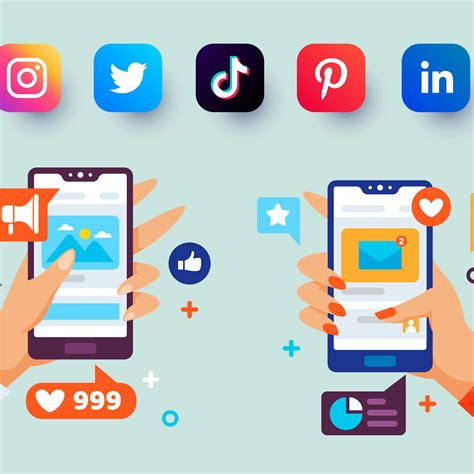
Different platforms offer different linking capabilities. Utilize Instagram bio links, swipe-up features in stories (if eligible), direct links in TikTok bios or YouTube video descriptions, and clickable pins on Pinterest. Ensure the link leads directly to the recipe and not a general blog page, minimizing friction for the user.
4. High-Quality and Consistent Visuals
Your Visual Bites must be high-resolution, well-lit, and aesthetically pleasing. Consistency in your visual style helps build brand recognition and trust. If your bite looks amazing, foodies will trust that the full recipe is equally well-crafted.
5. Engage and Interact
Respond to comments and questions on your Visual Bites. This interaction builds community and creates opportunities to naturally suggest visiting the full recipe page. A user asking “Where do I get that pan?” could be gently redirected to the recipe page which might list equipment.
Seamless User Experience on Recipe Pages
The journey doesn’t end when a foodie clicks through. The recipe page itself must deliver on the promise of the Visual Bite. It needs to be mobile-friendly, load quickly, feature clear and easy-to-follow instructions, and ideally include additional photos or videos. A frustrating experience here will nullify all the effort put into the Visual Bite.
Measuring the Bridge’s Effectiveness
To continuously improve, track your analytics. Monitor click-through rates (CTRs) from your Visual Bites to your recipe pages. Analyze which types of visuals perform best and on which platforms. This data will inform future content strategy, ensuring your Visual Bites are as effective as possible in driving traffic.
Conclusion
Visual Bites are more than just pretty pictures or short videos; they are strategic gateways designed to pique interest and lead eager foodies to the treasure trove of detailed recipes. By combining mouth-watering aesthetics with smart CTAs, optimized link placements, and a seamless user experience, content creators can effectively leverage these powerful snippets to fill their full recipe pages with hungry, engaged readers, ready to cook.