How can ‘Visual Bites’ make recipe visuals irresistible to real foodies?
Captivating the Culinary Connoisseur: The Art of Visual Bites
In the vibrant world of culinary arts, a recipe is only as good as its visual promise. For real foodies – those who appreciate not just taste, but also technique, tradition, and aesthetic – a mere snapshot won’t suffice. This is where ‘Visual Bites’ come into play, transforming simple recipe visuals into an irresistible feast for the eyes, igniting hunger and inspiration long before the first bite.
‘Visual Bites’ isn’t just about pretty pictures; it’s a strategic approach to food photography and styling that speaks directly to the soul of a foodie. It’s about understanding what makes their culinary heart sing and translating that into stunning, evocative imagery.
Understanding the Foodie Psyche: Beyond Just ‘Good-Looking’ Food
Real foodies are discerning. They crave authenticity, fresh ingredients, and a glimpse into the process. They appreciate the story behind the dish, the vibrant colors of perfectly ripe produce, and the subtle textures that promise a symphony of flavors. To make visuals irresistible, we must tap into these desires, offering not just a finished plate, but an experience.
It’s about showcasing the ‘why’ and the ‘how’ as much as the ‘what’. Does the visual convey the freshness of the herbs? The crispiness of the crust? The succulent tenderness of the meat? These are the questions a true ‘Visual Bite’ answers without a single word.
Mastering Composition and Lighting for Maximum Allure
The foundation of any irresistible ‘Visual Bite’ lies in impeccable composition and masterful lighting. Composition guides the viewer’s eye, highlighting key elements of the dish. Think about the rule of thirds, leading lines, and negative space to create balance and visual interest. A well-composed shot makes the food the undeniable star, drawing foodies in for a closer look.
Lighting is equally critical. Natural light, when used effectively, can create soft shadows and highlights that emphasize texture and depth, making food appear fresh and inviting. Side lighting or backlighting can add drama and sparkle, making sauces gleam and herbs pop. Avoid harsh overhead flashes that flatten the image and strip away appeal.
Highlighting Texture, Color, and Freshness with Finesse
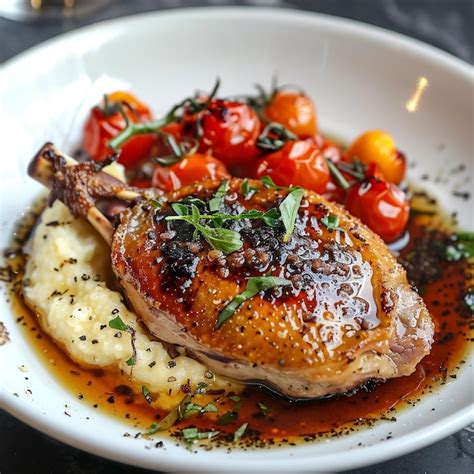
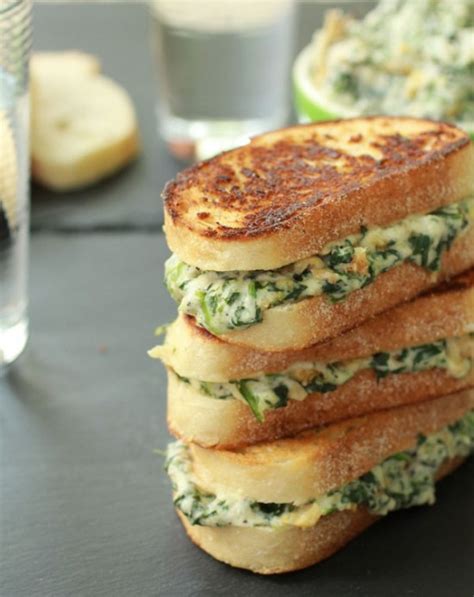
Foodies eat with their eyes first. ‘Visual Bites’ emphasize the sensory details that promise a delightful eating experience. Showcase the crispiness of a fried onion, the glossy sheen of a glaze, the delicate flakiness of a pastry, or the vibrant burst of fresh berries. These textures communicate taste and mouthfeel.
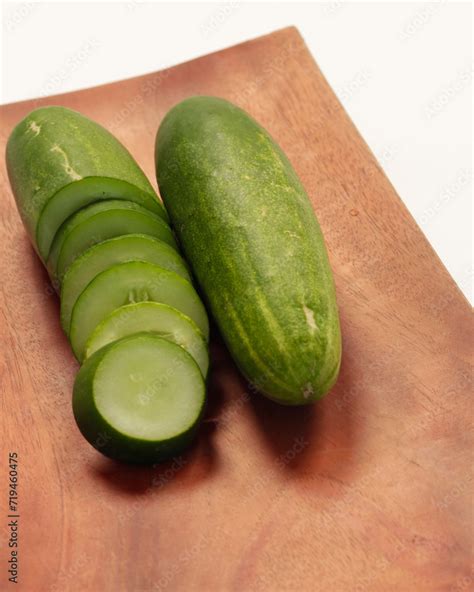
Color is another powerful tool. A visually irresistible recipe often boasts a harmonious palette, whether it’s the rich browns of roasted meats, the verdant greens of fresh vegetables, or the contrasting hues of a colorful salad. Freshness is paramount; wilted garnishes or dull ingredients are instant turn-offs. Always use the freshest, most vibrant ingredients available.
Action Shots and Storytelling: Inviting Engagement
Beyond the static finished dish, ‘Visual Bites’ can leverage action shots to create dynamic and engaging content. A hand sprinkling herbs, a knife slicing into a perfectly cooked steak, a drizzle of sauce, or steam rising from a hot bowl of soup – these moments convey movement, freshness, and the active preparation process. They tell a story, making the viewer feel like they are part of the culinary journey.
Storytelling visuals deepen the connection. Show a glimpse of the raw ingredients, the cooking process, and then the beautifully presented final dish. This narrative arc appeals to foodies who appreciate the journey from farm to fork and the effort involved in creating a delicious meal.

The Role of Props and Context: Setting the Culinary Scene
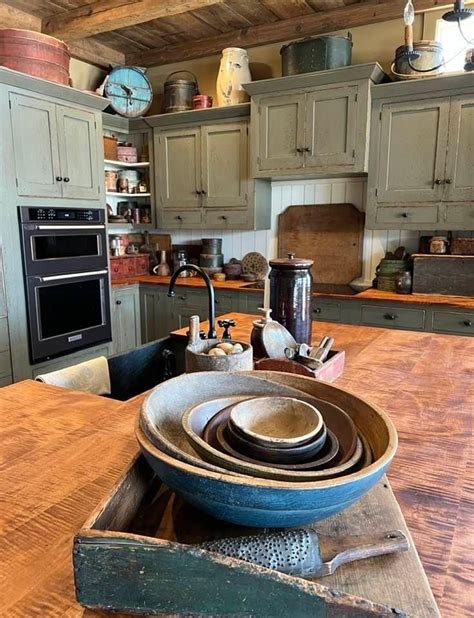
While the food should always be the star, carefully chosen props and background elements can elevate the entire visual without distracting from the dish itself. Rustic cutting boards, elegant cutlery, textured linens, or a hint of a charming kitchen backdrop can provide context and enhance the overall aesthetic. The key is subtlety and relevance.
Think about the mood you want to evoke. Is it cozy comfort food? Elegant fine dining? Vibrant summer dishes? Your props and setting should reflect and amplify that feeling, drawing the foodie into a desirable culinary scenario.
Authenticity Over Perfection: Embracing Real Food
While professional styling is important, real foodies often prefer authenticity over unrealistic perfection. A perfectly placed crumb, a slight imperfection that hints at homemade goodness, or a natural pour rather than a rigidly styled one can often be more appealing. The goal is to make the food look delicious and attainable, not untouchable.
Focus on capturing the essence of the dish as it would be enjoyed in real life, rather than striving for an overly staged, sterile look. This authenticity fosters trust and makes the recipe feel more approachable and desirable.
The ‘Visual Bites’ Checklist for Irresistible Content
- Purposeful Composition: Does it highlight the best aspects of the dish?
- Flattering Lighting: Is it natural, soft, and enhancing?
- Texture & Color Emphasis: Are key sensory details pronounced?
- Freshness Guaranteed: Are ingredients vibrant and appealing?
- Storytelling Elements: Does it convey process or mood?
- Contextual Props: Do they enhance without distracting?
- Authentic Appeal: Does it look delicious and real?
Conclusion: The Lasting Impact of a Stellar Visual Bite
For real foodies, an irresistible recipe visual is more than just an image; it’s an invitation, a source of inspiration, and a promise of deliciousness. By embracing the principles of ‘Visual Bites’ – strategic composition, thoughtful lighting, sensory emphasis, and authentic storytelling – creators can elevate their recipe visuals from mere pictures to potent culinary desires, ensuring their content truly stands out in a crowded digital kitchen.