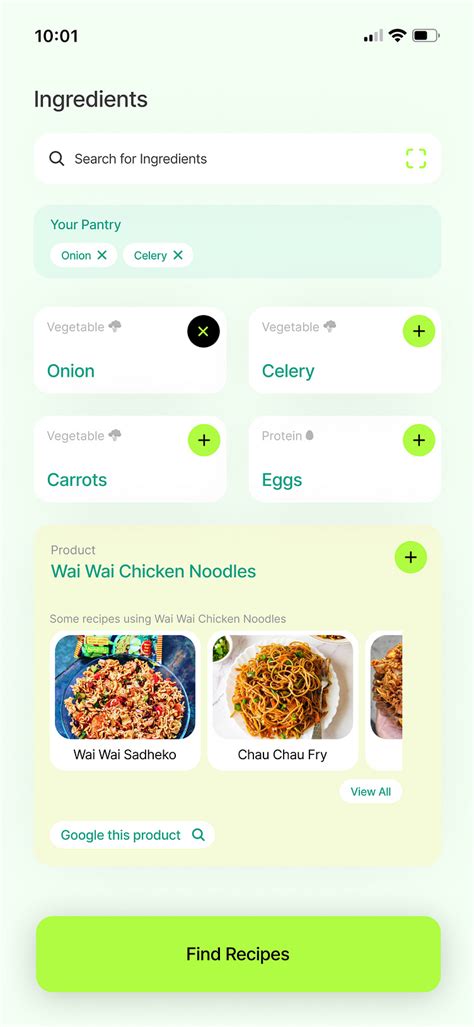
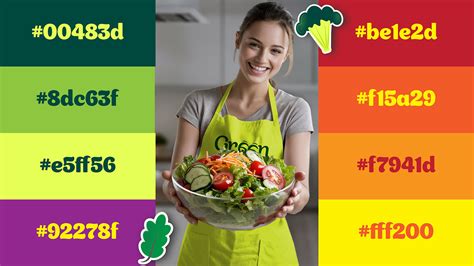
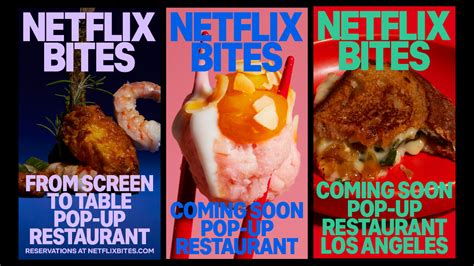
How can “Visual Bites” reduce recipe page bounce rates for mobile foodies?
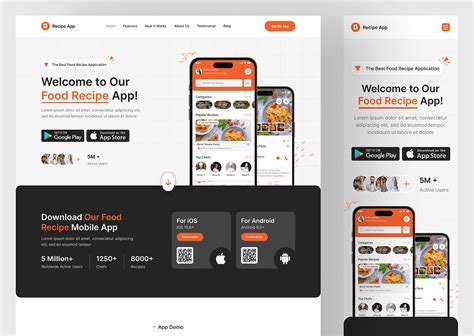
In the fast-paced world of mobile-first consumption, grabbing and holding a user’s attention is paramount. For mobile foodies seeking culinary inspiration, recipe pages often present a paradox: a wealth of information that can quickly overwhelm, leading to high bounce rates. Enter “Visual Bites” – a strategic approach to content delivery that leverages concise, impactful visual elements to transform the mobile recipe experience.
Traditional long-form recipe text, while comprehensive, can be a major barrier on small screens. Users are looking for quick answers, visual confirmation, and an intuitive flow. By breaking down complex instructions and ingredient lists into easily digestible visual components, food publishers can significantly enhance user engagement, reduce frustration, and ultimately, keep users on their pages longer.
The Challenge: High Bounce Rates on Mobile Recipe Pages
Mobile food enthusiasts navigate a digital landscape filled with distractions. When they land on a recipe page, they expect instant gratification. Long blocks of text, excessive scrolling, and a lack of visual cues can quickly lead to disinterest. Common pain points include slow loading times, dense instructional paragraphs, and an inability to quickly grasp the recipe’s complexity or appeal without significant effort.
This challenge is compounded by the fact that many mobile users are either multi-tasking, cooking simultaneously, or simply browsing for inspiration during short breaks. They need information that is not just accessible, but immediately understandable and inspiring, minimizing the cognitive load required to process the recipe.
Defining Visual Bites for Recipes
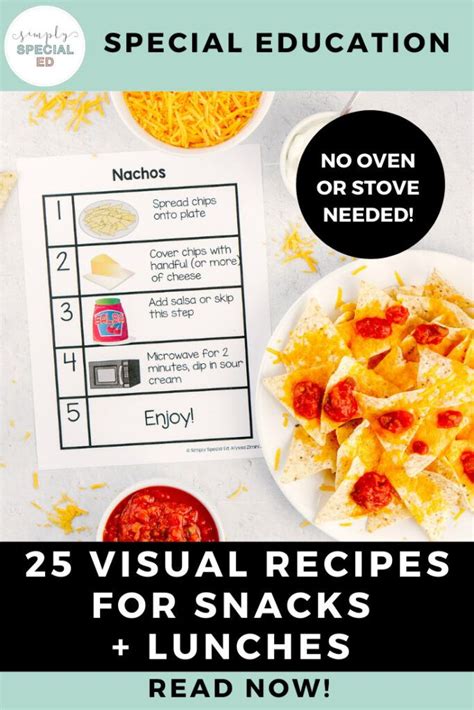
Visual Bites are essentially micro-content in visual form, designed to convey maximum information with minimal effort. In the context of recipes, this can manifest in several powerful ways:
- Step-by-Step Photo Galleries: Instead of text-heavy instructions, a series of high-quality photos illustrating each critical step.
- Short Video Clips: Quick, 15-30 second videos demonstrating a key technique (e.g., chopping an onion, folding dough, plating a dish).
- Infographic-Style Ingredient Lists: Visually organized ingredient lists with icons, quantities, and perhaps even nutritional highlights.
- Process Flow Diagrams: Simple diagrams or animated GIFs showing the overall flow of a recipe.
- “Before & After” or “Mise en Place” Shots: Visually setting expectations or showing preparation.
The core principle is clarity, speed, and aesthetic appeal, all optimized for the mobile screen.
How Visual Bites Combat Bounce Rates
Integrating Visual Bites directly addresses the pain points that lead to high bounce rates, transforming the user experience:
Instant Gratification & Reduced Cognitive Load: Visuals are processed significantly faster than text. A quick glance at a series of step-by-step photos or a short video clip can convey more information and build confidence faster than reading several paragraphs. This immediate understanding reduces the mental effort required, making the recipe feel less daunting.
Enhanced Engagement & Stickiness: Dynamic visual content is inherently more engaging. Users are more likely to scroll through a captivating photo sequence or watch a quick video than to wade through dense text. This increased engagement keeps them on the page longer, exploring the content deeper, and reducing the likelihood of them bouncing to another site.
Improved Readability & Navigation: Visual Bites act as natural breakpoints, segmenting long pages of text into manageable chunks. For example, an infographic-style ingredient list followed by a video demonstration, then a photo gallery for cooking steps, creates a clear visual hierarchy that is easy to scan and follow, even in a busy kitchen environment.

Best Practices for Integrating Visual Bites Effectively
To truly harness the power of Visual Bites, thoughtful implementation is key:
- Quality over Quantity: Ensure all visuals are high-resolution, well-lit, and professionally presented. Blurry or poorly composed images will detract from the experience.
- Conciseness is Crucial: Videos should be short and to the point, photos should clearly illustrate a single step or concept, and infographics should be clean and uncluttered. Mobile users have limited attention spans.
- Mobile Optimization: All visual assets must be optimized for mobile loading speed. Use appropriate compression techniques without sacrificing quality. Responsive design ensures visuals scale correctly across different devices.
- Strategic Placement: Don’t just pepper visuals randomly. Place them at natural breaks in the recipe flow – after an ingredient list, before a complex technique, or to highlight the final presentation. They should complement, not replace, essential text.
- Accessibility: Include descriptive
alttags for all images and captions for videos to ensure accessibility for users with visual impairments. - Testing and Analytics: Monitor bounce rates, time on page, and user interaction metrics. A/B test different types of Visual Bites to understand what resonates best with your audience.
![Food Recipe Mobile App Ui Kit [ 55+ Screens ] Figma » Insight Lancer](/images/aHR0cHM6Ly90czEubW0uYmluZy5uZXQvdGg/aWQ9T0lQLlg3b3hieUpsUzRIMDZZNVA0SzVBamdIYUZTJnBpZD0xNS4x.webp)
The Future of Mobile Recipe Consumption
In a world where visual communication dominates, “Visual Bites” are not just a trend but a necessity for publishers aiming to capture and retain the attention of mobile foodies. By prioritizing clarity, engagement, and a streamlined user experience through compelling visuals, recipe pages can transform from frustrating text walls into inspiring, interactive culinary guides.
Embracing this visual-first approach can significantly reduce bounce rates, increase content consumption, and build a loyal audience eager to discover their next delicious creation. It’s about meeting users where they are, with content that fits their lifestyle – quick, visually rich, and utterly appetizing.