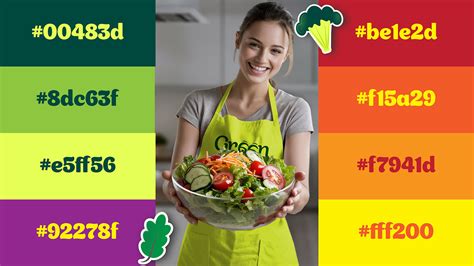
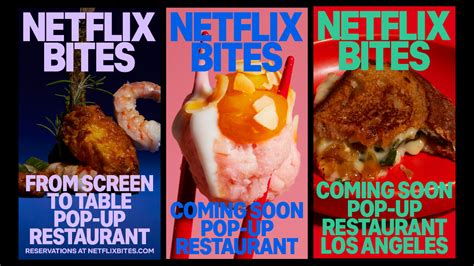
How can Visual Bites truly make food look mouth-watering to foodies?

In the digital age, where culinary experiences are often shared before they are savored, the visual appeal of food has become paramount. For discerning foodies, a dish isn’t just about taste; it’s an entire sensory journey that begins with the eyes. “Visual Bites” — the art and science of presenting food to look utterly irresistible — is no longer a niche skill but a crucial ingredient in culinary marketing and appreciation.
The Power of First Impression: Why Visuals Matter
Before a single bite is taken, the eyes consume the dish. A well-presented meal stimulates appetite, creates anticipation, and communicates quality and craftsmanship. Foodies, in particular, are drawn to authenticity, intricate details, and the story a plate tells, making the visual representation a critical factor in their dining choices and social sharing.
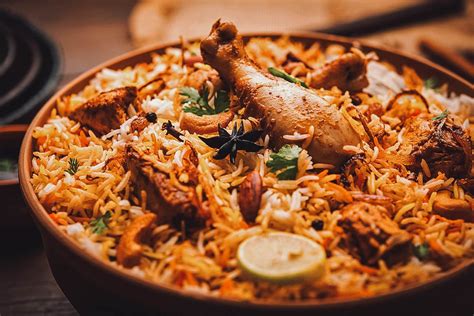
Mastering the Elements of Mouth-Watering Visuals
Achieving that coveted mouth-watering effect involves a symphony of technical skills and creative instincts. Here are the core elements:
1. Lighting: The Soul of Food Photography
Natural, soft light is often the most flattering for food, highlighting textures and true colors without harsh shadows. Whether from a window or diffused artificial sources, the right lighting can transform a flat image into a dynamic, inviting scene, making steam visible and sauces glisten.
2. Composition: Framing the Feast
Careful arrangement of elements within the frame guides the viewer’s eye. Techniques like the rule of thirds, leading lines, and strategic negative space draw attention to the hero dish. Angles (overhead, eye-level, 45-degree) also play a significant role in showcasing volume, layers, or intricate details.
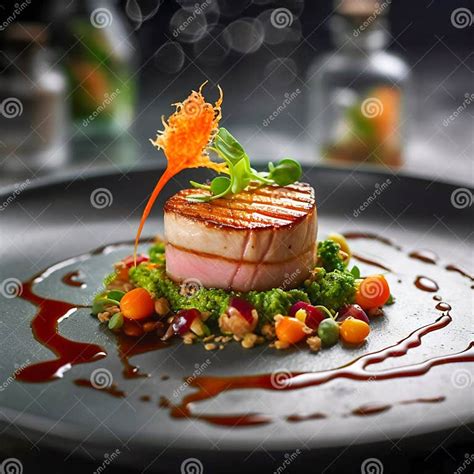
3. Color and Texture: A Feast for the Eyes
Vibrant, contrasting colors make food pop, while varied textures add depth and interest. Think of the crispiness of a perfectly fried chicken, the glossy sheen of a chocolate ganache, or the vibrant hues of fresh berries. These elements stimulate the imagination, hinting at the delightful sensations to come.
4. Props and Background: Setting the Scene
The right props – cutlery, linens, subtle garnishes, rustic cutting boards – can enhance the narrative without overshadowing the food. A clean, uncluttered background ensures the dish remains the undisputed star, while a thoughtfully chosen texture or color can complement its aesthetics.
![Stylized Log - Download Free 3D model by YannisTH [1480cee] - Sketchfab](/images/aHR0cHM6Ly90czEubW0uYmluZy5uZXQvdGg/aWQ9T0lQLjRITWJNYXNhWVFtSlNLazlQWmtweUFIYUVLJnBpZD0xNS4x.webp)
5. Freshness and Plating: The Art of Presentation
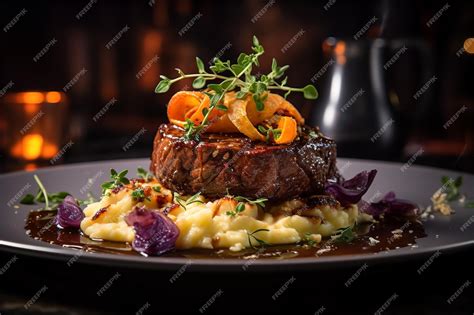
Food must look fresh, vibrant, and appealingly arranged. Wilted herbs or sloppy presentation immediately detract. Chefs and stylists meticulously plate dishes, considering height, balance, and visual flow. Every drizzle, sprinkle, and stack is intentional, designed to evoke desire.
Understanding the Foodie Psyche
Foodies are sophisticated consumers of culinary content. They appreciate transparency, authenticity, and the story behind the food. When visual bites truly shine, they not only present an attractive meal but also convey:
- Quality Ingredients: Highlighting fresh, wholesome components.
- Skill and Craftsmanship: Showcasing the effort and artistry involved.
- Experience and Atmosphere: Hinting at the delightful environment where the food might be enjoyed.
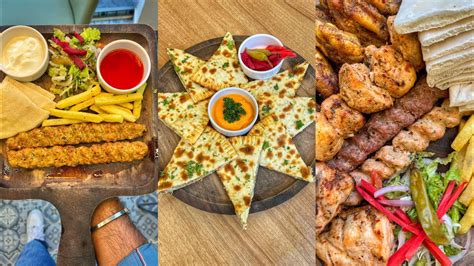
- Authenticity: Making food look real and approachable, not overly artificial.
Conclusion: The Irresistible Allure of Visual Bites
Ultimately, making food look mouth-watering to foodies is about crafting an irresistible invitation. It’s about translating taste, aroma, and texture into a compelling visual narrative. By mastering lighting, composition, color, and presentation, “Visual Bites” transforms mere ingredients into a symphony for the senses, ensuring that long before the first bite, the food has already conquered the heart and imagination of every culinary enthusiast.