How do foodies achieve vibrant, photo-ready roasted veggies every time?

The Quest for Perfectly Roasted Vegetables
Roasted vegetables are a staple in many kitchens, lauded for their simplicity, versatility, and delicious caramelization. Yet, for every batch that emerges golden-brown and irresistible, there’s another that’s disappointingly pale, soggy, or lacking that ‘wow’ factor seen on culinary blogs. What’s the secret to consistently achieving those vibrant, photo-ready results that make your palate sing and your camera lens happy?
It’s not magic, but rather a combination of thoughtful preparation, precise technique, and a few insider tricks that transform humble produce into culinary masterpieces. Foodies understand that the path to perfectly roasted veggies begins long before they even hit the oven.

Ingredient Selection and Immaculate Prep
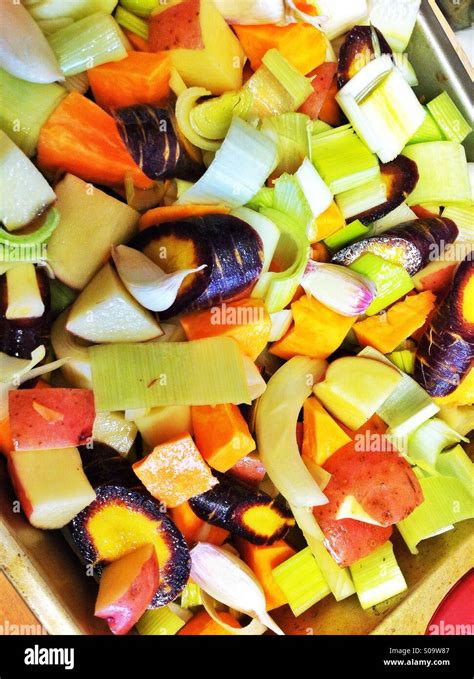
Start with the Best: The foundation of any great dish is quality ingredients. Opt for fresh, firm, and in-season vegetables. A mix of colors and textures will naturally elevate the visual appeal of your final dish.
The Golden Rule: Dry, Dry, Dry! This is perhaps the most critical step overlooked by home cooks. Moisture is the enemy of caramelization. After washing your vegetables, dry them meticulously with a clean kitchen towel or paper towels. Seriously, get them bone-dry. Any residual water will steam the vegetables instead of roasting them, leading to a dull, soggy result.
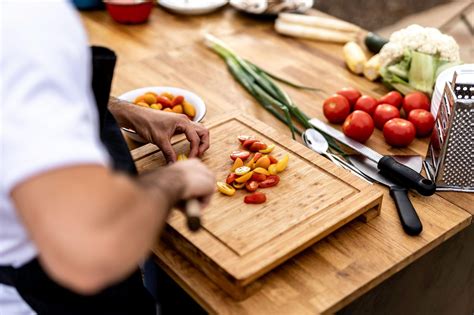
Uniformity in Cutting: To ensure even cooking, cut your vegetables into roughly similar-sized pieces. Smaller, denser vegetables like carrots and potatoes might need smaller cuts than softer vegetables like bell peppers or zucchini. This prevents some pieces from burning while others remain undercooked.
The Right Fat and Flavorful Seasoning
Choose Your Oil Wisely: A good fat helps conduct heat, promote browning, and enhance flavor. High smoke-point oils like olive oil, avocado oil, or grapeseed oil are ideal. Don’t be shy with the oil; you want every piece lightly coated, but not swimming in it. About 1-2 tablespoons per pound of vegetables is a good starting point.
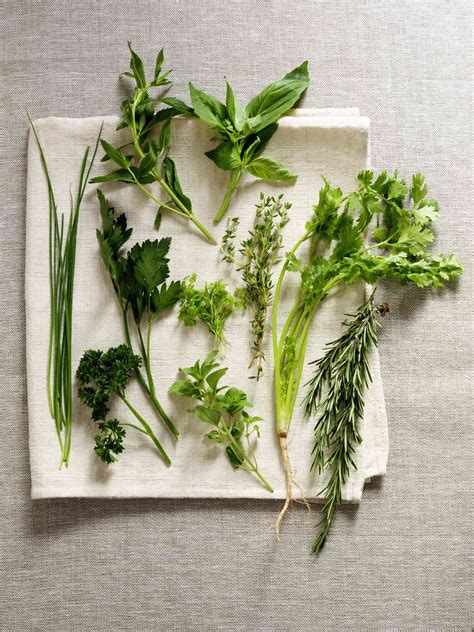
Season Generously: Salt is crucial for drawing out flavor and aiding in browning. Freshly cracked black pepper is a must. Beyond the basics, experiment with aromatics like minced garlic, sprigs of fresh rosemary or thyme, smoked paprika, or a pinch of chili flakes for an extra kick. Toss everything together in a large bowl to ensure even distribution.
Mastering the Roasting Process
High Heat is Key: For that desirable crispy exterior and tender interior, a hot oven is essential. Preheat your oven to a minimum of 400°F (200°C), and even up to 425°F (220°C) for certain vegetables like root vegetables. A hot oven helps to quickly evaporate surface moisture and kickstart the Maillard reaction (browning).
Do NOT Overcrowd the Pan: This is another major pitfall. When vegetables are packed too closely, they release moisture, creating steam rather than roast. This results in soft, steamed veggies with no browning. Use one or even two large baking sheets to ensure all vegetables have ample space and are in a single layer, allowing hot air to circulate freely around each piece.

Preheat the Baking Sheet: For an extra boost of browning, place your empty baking sheet in the oven while it preheats. When you add the seasoned vegetables to the hot sheet, it gives them an immediate sear, enhancing caramelization.
Flip and Toss: Halfway through the roasting time (typically 15-20 minutes, depending on the vegetable), give your vegetables a good toss or flip them with a spatula. This ensures even browning on all sides.
Elevating with Finishing Touches
Fresh Herbs and Acid: Once roasted to perfection, transfer your vibrant vegetables to a serving platter. A sprinkle of fresh parsley, cilantro, or basil adds a pop of color and freshness. A squeeze of lemon juice, a drizzle of balsamic glaze, or a splash of red wine vinegar can brighten the flavors and add a final touch of culinary finesse.
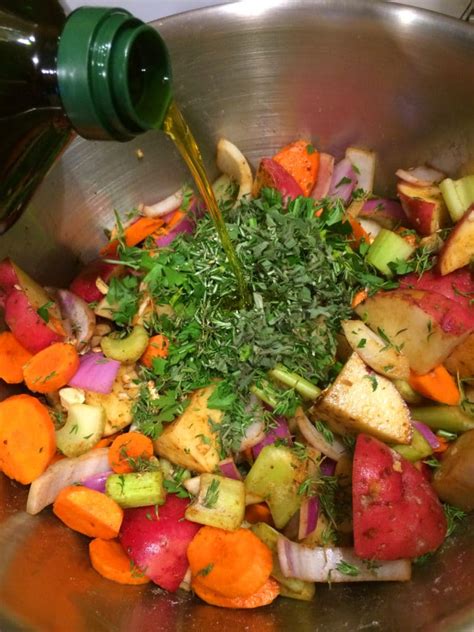
Plating for Impact: Arrange your colorful array artfully on a plate or in a serving bowl. Remember, we eat with our eyes first! A visually appealing presentation significantly enhances the dining experience.
Conclusion
Achieving vibrant, photo-ready roasted vegetables isn’t about complicated techniques, but rather about precision and attention to detail. By focusing on dryness, proper oil and seasoning, high heat, and ample space, you can consistently turn out vegetables that are not only delicious but also stunning to behold. So next time you’re prepping a batch, remember these foodie secrets and get ready for a standing ovation, or at least a flurry of compliments and Instagram likes!