How do foodies find and visually capture authentic local eats abroad?

For many travelers, immersing oneself in a new culture is synonymous with diving headfirst into its culinary landscape. But for the discerning foodie, merely eating isn’t enough; the pursuit is for authentic, local experiences that tell a story, and the challenge lies in both finding these hidden gems and visually capturing their essence.
The Quest for Authenticity: Finding Local Gems
The journey to authentic local eats often begins long before arrival. Savvy foodies leverage a blend of digital research and on-the-ground intuition. This means poring over local food blogs, forums, and even academic papers on regional cuisine, rather than relying solely on mainstream travel guides. They look for recommendations from locals, often through online communities or by directly engaging with residents once they’ve landed.
Another crucial strategy is to observe. Walk through neighborhoods away from tourist epicenters. Where do locals queue for lunch? Which street vendors have bustling carts surrounded by regulars? These are often the first indicators of truly authentic and beloved establishments. Don’t be afraid to try places with handwritten menus or modest appearances; often, the best flavors reside in the simplest settings.
Beyond the Tourist Trail: Where to Look
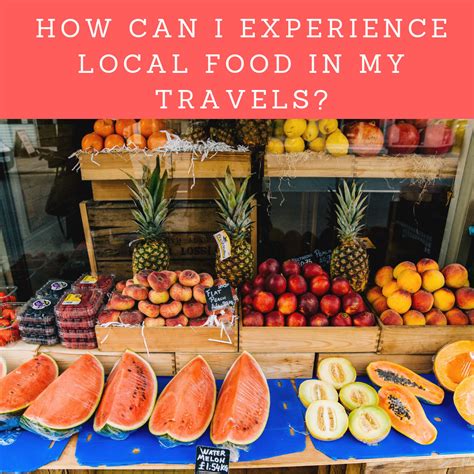
Food markets are treasure troves for authentic experiences. They offer a sensory overload of sights, sounds, and smells, providing not just ingredients but also ready-to-eat dishes and opportunities to interact with vendors. Similarly, street food alleys and hawker centers are vital. These communal dining spaces are often vibrant hubs where tradition meets innovation, and prices are typically very friendly.
Connecting with locals through tours, cooking classes, or simply striking up conversations in cafes can unlock unique recommendations that no guidebook could offer. Ask taxi drivers, hotel staff, or shopkeepers where they eat after work. These personal insights often lead to the most memorable culinary discoveries, far removed from tourist traps.
Mastering the Visual Story: Capturing the Feast
Once an authentic dish is found, the next challenge is to capture its allure visually. Food photography for travel is more than just a pretty picture; it’s about telling a story—the story of the dish, its preparation, its context, and the culture it represents. Successful foodies approach their photography with intentionality, considering composition, lighting, and the narrative they wish to convey.
The key is to make the food the hero, but not in isolation. Include elements that provide context: the hands preparing the dish, the bustling market background, the unique local plate, or even a glimpse of the chef. These details add depth and authenticity to the visual narrative, transforming a simple food shot into a cultural snapshot.

Lighting, Angle, and Authenticity: Photography Tips
Natural light is a food photographer’s best friend. Seek out tables near windows or, better yet, photograph outdoors. Avoid harsh overhead lighting or direct flash, which can flatten the food and create undesirable shadows. Soft, diffused light from the side or back will highlight textures and colors beautifully.
Experiment with angles. A direct overhead shot (flat lay) works wonderfully for dishes with many components, like tapas or a spread of street food. A 45-degree angle mimics the diner’s perspective, while a close-up can emphasize texture and detail. Don’t forget to capture the “before” and “during” moments – the raw ingredients, the cooking process, or the steam rising from a fresh bowl.
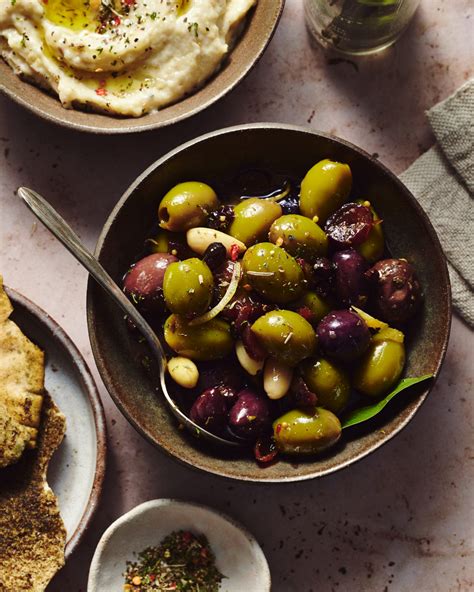
Beyond the dish itself, consider the environment. A blurry background (bokeh) can draw attention to the food while still hinting at the vibrant setting. Capture the chef’s smile, the local diner’s enjoyment, or the unique decor of the eatery. These elements breathe life into your photographs, making them more engaging and authentic.

Telling the Culinary Tale: Post-Capture and Sharing
The journey doesn’t end when the shutter clicks. Thoughtful editing can enhance the visual appeal without sacrificing authenticity. Adjustments to exposure, contrast, and color balance can make your food photos pop, but resist over-filtering that might distort the true appearance of the dish. The goal is to present the food as vibrantly and accurately as it was experienced.
Finally, when sharing your discoveries, pair your captivating images with compelling stories. Describe the flavors, the aromas, the atmosphere, and the journey of finding the dish. This narrative adds immense value, transporting your audience and inspiring them to embark on their own culinary adventures. Sharing responsibly also means tagging the local establishments when possible, giving credit where it’s due and helping others find these gems.
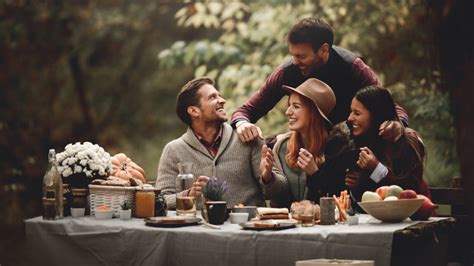
For the dedicated foodie, the pursuit of authentic local eats abroad is a holistic experience—a blend of detective work, cultural immersion, and artistic expression. By combining diligent research with a keen eye for photography, travelers can not only savor the true flavors of a destination but also share its unique culinary story with the world, one delicious image at a time.