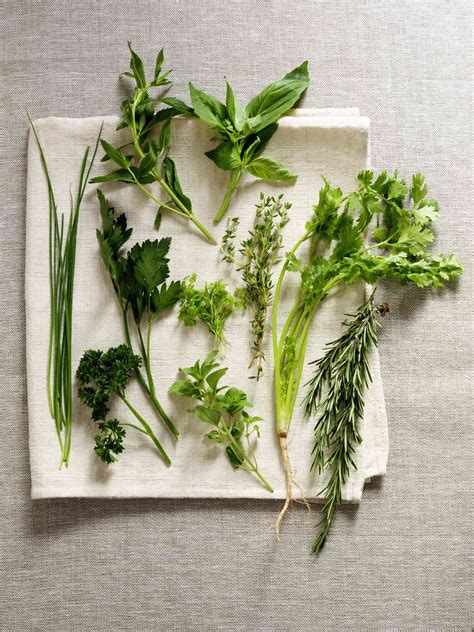
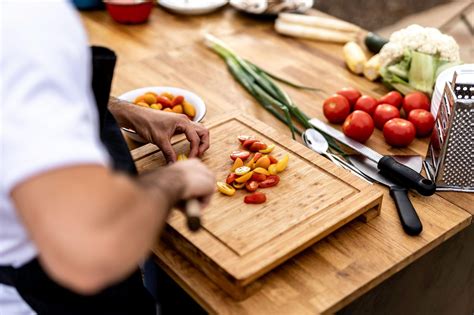
How do foodies keep fresh herbs vibrant for visually stunning dishes?
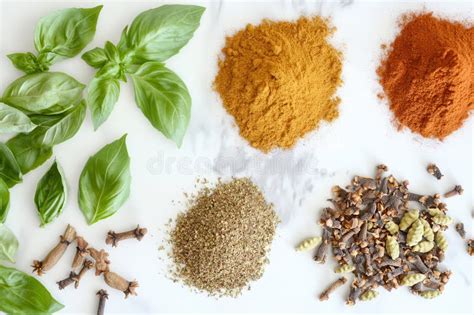
For the discerning palate and the keen eye of a true foodie, fresh herbs are more than just flavor enhancers; they are the vibrant brushstrokes that complete a culinary masterpiece. A sprig of bright green cilantro, a scattering of emerald chives, or a delicate basil leaf can transform a dish from mere sustenance into a work of art. But the fleeting beauty of fresh herbs is a common kitchen challenge. How do food enthusiasts maintain that pristine vibrancy, ensuring their garnishes are as visually stunning as they are aromatic?
The Science of Herb Longevity
Understanding why herbs wilt is the first step towards preserving their vitality. Most herbs are delicate plants with high water content. Exposure to air causes moisture evaporation, leading to limp leaves and faded color. Temperature fluctuations, lack of proper hydration, and even ethylene gas from ripening fruits can accelerate their demise. The goal of any successful storage method is to create an environment that mimics their natural growing conditions: cool, slightly humid, and protected.
Method 1: The “Bouquet” Method for Soft Herbs
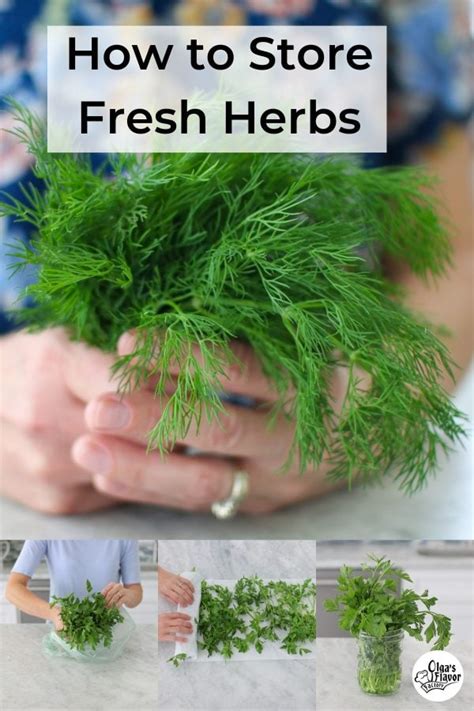
This classic technique is ideal for soft, leafy herbs like parsley, cilantro, basil, mint, and dill. It’s akin to treating them like a bouquet of flowers.
- Trim Stems: Snip about half an inch off the bottom of the stems. This opens up the capillaries for better water absorption.
- Water Bath: Place the trimmed herbs, stem-down, into a glass jar or vase with about an inch of fresh, cool water.
- Cover and Refrigerate: For most soft herbs (except basil, which prefers room temperature), loosely cover the top with a plastic bag or plastic wrap to create a mini-greenhouse effect, then place in the refrigerator. Change the water every 1-2 days.

Method 2: The “Paper Towel Roll” Method
This method is excellent for most soft herbs and delicate greens, offering good protection and moisture retention.
- Wash and Dry Thoroughly: Gently wash your herbs and then dry them meticulously. A salad spinner works wonders, or pat them dry with paper towels. Excess moisture can lead to mold.
- Damp Paper Towel: Lay the herbs flat on a lightly dampened (not soaking wet) paper towel.
- Roll and Store: Roll the herbs snugly in the paper towel and place them inside a resealable plastic bag or an airtight container. Refrigerate. This method can keep herbs fresh for up to two weeks.
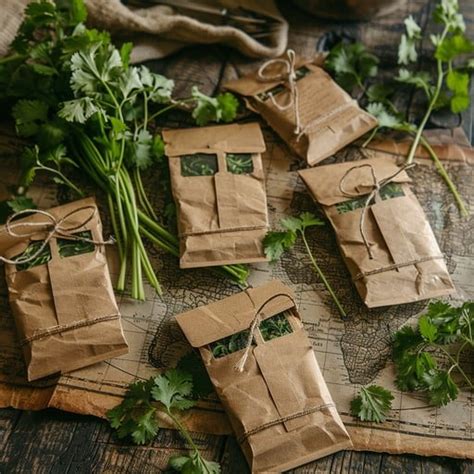
Method 3: The “Hardy Herb” Approach
Woody herbs like rosemary, thyme, sage, and oregano are generally hardier and less prone to wilting. They tolerate slightly less moisture.
- Minimal Washing: If the herbs are clean, you might not even need to wash them until just before use. If you do, dry them very well.
- Loose Wrap: Wrap them loosely in a slightly damp paper towel.
- Bag or Container: Place the wrapped herbs in a resealable plastic bag or an airtight container in the refrigerator. They can last for several weeks this way.
Method 4: Freezing for Future Flavor
While fresh is always best for garnishing, freezing is a fantastic option for preserving the flavor of herbs for cooking, especially when you have an abundance. This method is not ideal for retaining the crisp texture needed for visual appeal, but it prevents waste.
- Chop and Cube: Finely chop your herbs and pack them into ice cube trays.
- Add Liquid: Cover the chopped herbs with olive oil, melted butter, or even water.
- Freeze and Store: Once frozen, pop the herb cubes out and store them in a freezer-safe bag or container. When cooking, simply drop a cube into your dish.

Reviving Wilting Herbs: A Quick Fix
Accidentally let your herbs go a bit limp? Don’t despair! A quick ice bath can often bring them back to life. Trim the stems and submerge the entire herb (leaves and stems) in a bowl of ice water for 15-30 minutes. The cold water rehydrates the plant cells, often restoring much of their crispness and vibrant color, making them suitable for last-minute garnishes.
The Final Touches: Prep for Perfection
No matter how well you store them, the final preparation before plating is crucial. Always wash herbs gently just before use and dry them thoroughly. Excess water on leaves can dilute flavors and make them clump. A gentle pat with a paper towel or a quick spin in a salad spinner ensures they are pristine and ready to adorn your culinary creations with maximum visual impact and aromatic delight.

By employing these professional storage and care techniques, foodies can ensure their fresh herbs remain vibrant, flavorful, and ready to elevate any dish into a feast for both the eyes and the palate. Say goodbye to sad, wilted garnishes and hello to picture-perfect plates!