How do foodies keep herbs fresh longer for vibrant dishes?

The Culinary Cornerstone: Why Fresh Herbs Matter to Foodies
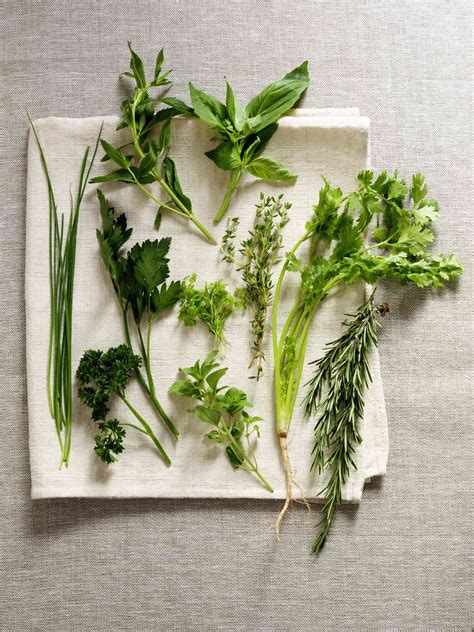
For any discerning palate, fresh herbs are non-negotiable. They elevate a simple meal into a culinary experience, adding layers of aroma, color, and unparalleled flavor that dried alternatives simply can’t match. But the joy of vibrant parsley, fragrant basil, or pungent cilantro is often fleeting. Foodies know the frustration of seeing beloved greens wilt and lose their vitality far too quickly. The good news? With a few smart strategies, you can significantly extend the life of your fresh herbs, keeping them ready to infuse your dishes with their peak essence.
Understanding Herb Perishability: The Root of the Problem
Herbs are living plants, and like all fresh produce, they continue to respire and degrade after being harvested. Their delicate leaves lose moisture, leading to wilting, discoloration, and a significant drop in flavor and aroma. Factors like temperature, humidity, and exposure to air all play a crucial role in how quickly this process occurs. The goal of effective herb storage is to slow down this deterioration, mimicking the conditions that keep them alive and thriving for as long as possible.
Essential Strategies for Maximizing Herb Freshness
1. The “Bouquet” Method for Tender Herbs
This classic technique works wonders for most tender, leafy herbs like parsley, cilantro, dill, mint, chives, and even basil (with a slight modification). Trim about an inch off the bottoms of the stems. Place the herbs upright in a glass or jar with about an inch of fresh water, much like a bouquet of flowers. Cover the leaves loosely with a plastic bag (or the produce bag they came in) to create a humid environment, and place the jar in the refrigerator. Change the water every day or two. Basil, however, prefers to be kept on the countertop at room temperature, as refrigeration can cause its leaves to blacken. Place it in a jar of water away from direct sunlight.

2. The Paper Towel Roll for Delicate Greens
For herbs like kale, spinach, or even extremely delicate greens you want to keep vibrant, a slightly different approach can be effective. Lightly dampen a few paper towels. Spread your herbs out on the paper towels, then gently roll them up. Place the rolled herbs in an airtight container or a resealable plastic bag. The damp paper towel provides crucial humidity without saturating the leaves, and the airtight container prevents further moisture loss. This method is particularly effective for herbs that don’t do well standing in water.
3. Air-Tight Containers for Hearty Herbs
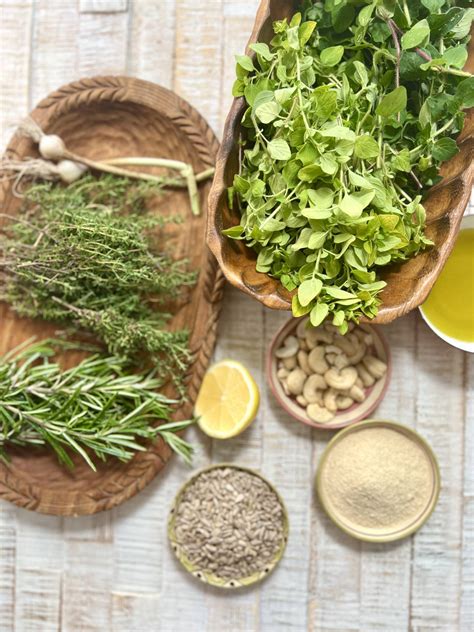
Woody or hardy herbs such as rosemary, thyme, oregano, and sage are more robust and less prone to wilting. They can often be stored simply by wrapping them in a dry paper towel and placing them in a resealable plastic bag or an airtight container in the refrigerator. The paper towel absorbs any excess moisture, preventing mold, while the sealed container prevents dehydration. This method can keep these herbs fresh for up to two weeks.
Beyond the Fridge: Freezing Herbs for Long-Term Storage
Sometimes, even the best refrigeration methods aren’t enough, especially when you have an abundance of fresh herbs. Freezing is an excellent way to preserve their flavor and aroma for months, making them available for winter stews, sauces, and soups.
1. Herb Ice Cubes with Oil or Water
Chop your herbs finely and pack them into ice cube trays. For savory dishes, cover them with olive oil. For teas or lighter broths, use water. Freeze until solid, then pop out the herb cubes and store them in a freezer-safe bag or container. When cooking, simply toss a cube directly into your hot pan or pot. This method works wonderfully for basil, parsley, cilantro, oregano, and thyme.
2. Flash Freezing Chopped Herbs
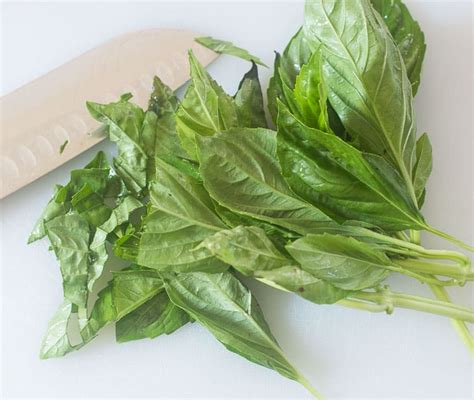
Another option is to finely chop your herbs, spread them in a single layer on a baking sheet lined with parchment paper, and flash freeze them for an hour or two. Once frozen, transfer the loose herbs into a freezer-safe bag. This allows you to grab just the amount you need without thawing an entire block.
Creative Culinary Uses for Leftover or Wilting Herbs
Even with the best storage practices, some herbs might start to show signs of fatigue. Don’t let them go to waste! Foodies are experts at reducing food waste through creative applications.
- Pesto & Chimichurri: Transform large quantities of basil, parsley, or cilantro into vibrant sauces. Blitz them with garlic, nuts, cheese (for pesto), oil, and acid (for chimichurri).
- Herb Butters: Chop herbs finely and mix them into softened butter. Roll into a log, wrap in parchment paper, and freeze for instant flavor boosts.
- Infused Oils & Vinegars: Gently heat herbs in olive oil or white wine vinegar to extract their flavors, creating aromatic bases for dressings and marinades.
The Foodie’s Final Freshness Tips
- Buy Smart: Choose herbs with vibrant, unblemished leaves and strong aromas. Avoid anything yellowing or slimy.
- Harvest Thoughtfully: If you grow your own, harvest in the morning after the dew has dried but before the heat of the day, when essential oils are at their peak.
- Avoid Washing Too Early: Wash herbs just before use, as excess moisture can accelerate spoilage.
By integrating these simple yet effective techniques into your kitchen routine, you’ll ensure that your dishes are always infused with the freshest, most potent herbal flavors. No more culinary compromises due to wilted greens – just vibrant, delicious results every time.