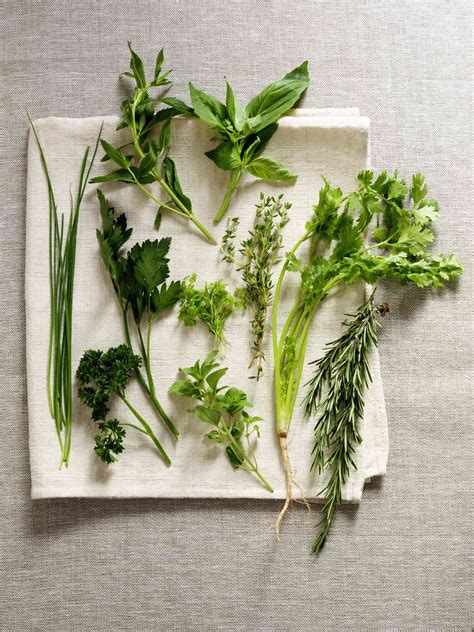
How do foodies keep herbs fresh & vibrant for garnish?

For any culinary enthusiast, the fresh, aromatic flourish of perfectly preserved herbs is non-negotiable. A vibrant sprig of cilantro, a bright basil leaf, or a fragrant rosemary sprig can elevate a dish from good to gourmet. But how do foodies manage to keep their delicate greens looking as if they were just plucked from the garden, rather than wilting into a sad, brown mess in the back of the fridge? It’s an art and a science, and thankfully, one that’s easy to master with the right techniques.
Why Fresh Herbs Matter for the Foodie
Beyond mere aesthetics, fresh herbs bring an intensity of flavor and a burst of aroma that dried alternatives simply can’t match, especially when used as a garnish. They provide a final touch of brightness, a contrasting texture, and an inviting visual appeal that signals care and attention to detail. For foodies, presentation is just as crucial as taste, making perfectly preserved herbs an indispensable tool in their kitchen arsenal.
The Enemy of Freshness: What Causes Wilt?
Before diving into preservation methods, it’s essential to understand why herbs spoil. The primary culprits are moisture loss (desiccation), bacterial growth, and improper temperature storage. Delicate herbs like basil and cilantro are particularly susceptible to wilting and browning when exposed to air or stored in overly cold environments. Robust herbs like rosemary and thyme are more forgiving but still benefit greatly from proper care.

Top Foodie Techniques for Herb Preservation
1. The Water Bath Method (Like a Bouquet)
This classic technique is perfect for delicate, leafy herbs such as parsley, cilantro, mint, and even basil (with a slight modification). Treat them like a bouquet of flowers:
- Trim Stems: Snip about an inch off the bottom of the stems.
- Place in Water: Stand the herbs upright in a glass jar or small vase with about an inch of water at the bottom.
- Cover Loosely: For most herbs, loosely cover the top with a plastic bag to create a mini-greenhouse, then refrigerate. For basil, which dislikes cold, leave it on the counter, away from direct sunlight.
- Change Water: Change the water every 1-2 days to keep it fresh.
2. The Damp Paper Towel & Airtight Container Trick
Ideal for sturdier herbs like dill, thyme, rosemary, oregano, and chives, this method minimizes moisture loss while preventing sogginess.
- Wash & Dry: Gently wash the herbs and, crucially, dry them thoroughly using a salad spinner or by patting them with paper towels. Excess moisture accelerates decay.
- Wrap: Lay the herbs on a slightly damp paper towel, then roll them up.
- Store: Place the wrapped herbs in an airtight container or a resealable plastic bag. Refrigerate.
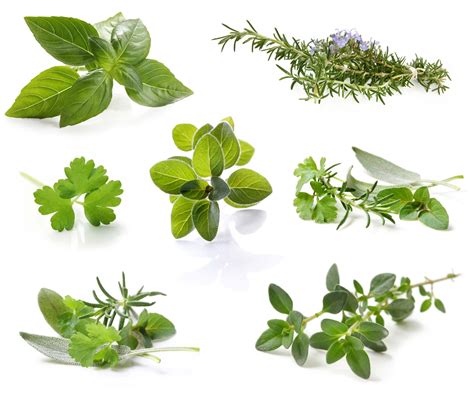
3. Specialized Herb Keepers & Containers
For those who frequently use fresh herbs, investing in specialized herb keepers can be a game-changer. These typically feature a reservoir for water and a protective dome or lid that creates an optimal microclimate, extending freshness for weeks. Brands like Prepara and Cole & Mason offer popular options designed to fit comfortably in most refrigerator doors.
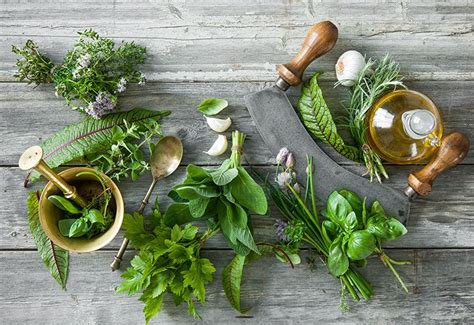
4. Freezing Herbs for Extended Longevity
While often used for cooking rather than garnish, frozen herbs are invaluable for long-term storage and can sometimes still serve a garnish purpose, especially in soups or stews where a slight thaw isn’t an issue.
- Blanch & Freeze (Leafy Herbs): For parsley, cilantro, or mint, briefly blanch (10-15 seconds) in boiling water, then immediately plunge into ice water. Squeeze out excess water, chop, and freeze flat in a freezer bag.
- Ice Cube Trays with Oil/Water: Chop herbs finely and pack them into ice cube trays. Cover with olive oil, melted butter, or even water. Freeze until solid, then transfer the herb cubes to a freezer-safe bag. These are perfect for adding flavor to hot dishes directly from the freezer.

Best Practices for Different Herb Types
- Delicate Herbs (Basil, Cilantro, Parsley, Mint): Generally respond best to the water bath method. Basil is finicky; avoid refrigeration if possible, or use the damp paper towel method in the crisper drawer if you must.
- Robust Herbs (Rosemary, Thyme, Oregano, Sage): Thrive with the damp paper towel method. They can also be air-dried or hung to dry for a different type of preservation.
Quick Tips for Reviving Wilted Herbs
If your herbs have started to droop, don’t despair! A simple ice water bath can often bring them back to life. Submerge the wilted herbs in a bowl of ice water for 15-30 minutes. The cold water helps them rehydrate and crisp up, making them usable for that last-minute garnish.
Conclusion: The Lasting Impact of Vibrant Garnish
Mastering herb preservation is a cornerstone of gourmet home cooking. By employing these simple yet effective foodie-approved techniques, you can ensure that your garnishes are always fresh, vibrant, and bursting with flavor. The effort pays off not just in the visual appeal of your dishes, but in the heightened sensory experience that only truly fresh herbs can provide.