How do foodies keep prepped veggies crisp & photo-ready for days?

For the discerning foodie, meal prepping isn’t just about saving time; it’s about culinary artistry and ensuring every ingredient shines. There’s nothing more disheartening than reaching for pre-cut veggies only to find them limp, discolored, and far from ‘photo-ready’. The good news? Keeping your produce perfectly crisp and vibrant for days is an achievable feat with a few professional secrets.
The Foundation: Pristine Washing and Meticulous Drying
The first and most critical step in preserving the freshness of your vegetables is proper washing and, more importantly, thorough drying. Excess moisture is the enemy of crispness, creating an environment ripe for spoilage.
- Wash Thoroughly: Rinse all vegetables under cool running water, even if they’re pre-packaged. For leafy greens, a cold water bath with a gentle swirl can help dislodge dirt.
- Dry, Dry, Dry: This cannot be stressed enough. A salad spinner is an indispensable tool for greens, removing surface water efficiently. For other vegetables like bell peppers, cucumbers, or carrots, pat them completely dry with a clean kitchen towel or allow them to air dry on a rack before storing. Any lingering moisture will accelerate wilting and spoilage.
Strategic Cutting and Prepping for Longevity
How you cut and prepare your vegetables also plays a significant role in their shelf life and aesthetic appeal.
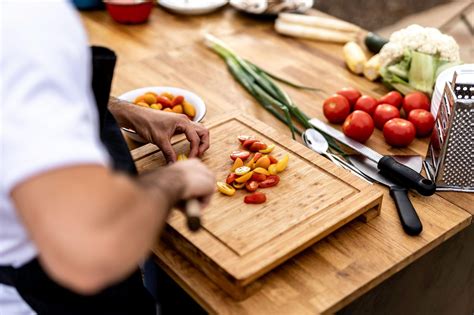
- Sharp Knives are Key: A dull knife crushes cell walls, leading to faster oxidation and browning. A sharp knife makes clean cuts, minimizing damage.
- Cut Just Before Use (Ideally): Some vegetables, especially those prone to browning like apples or potatoes, are best cut right before consumption. However, for most prepping, smart cutting can still extend life.
- Uniform Cuts: While often for cooking consistency, uniform cuts also ensure even drying and better storage.
- Store Whole When Possible: If you don’t need cut vegetables, store them whole. Their natural protective skins are often the best defense against dehydration.
The Art of Storage: Containers, Moisture Control, and Location
Once washed and dried, the way you store your vegetables is paramount. Foodies master this with a combination of clever containers and moisture management.
1. The Right Containers:
- Airtight is Often Best: For many cut vegetables, an airtight container (glass or BPA-free plastic) minimizes air exposure, which reduces oxidation and moisture loss.
- Some Need Breathability: Root vegetables like carrots, celery, and radishes often benefit from a little air circulation. Sometimes a loosely covered container or even a perforated bag works best.
- Glass vs. Plastic: Glass containers are often preferred for their non-porous nature, which doesn’t absorb odors or flavors, and their superior seal.
2. Masterful Moisture Control:
- The Paper Towel Trick: Place a clean, dry paper towel at the bottom of your container, then layer your vegetables on top. The paper towel absorbs any condensation, preventing sogginess. Replace it if it becomes saturated.
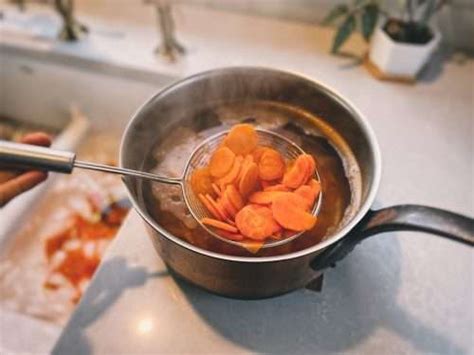
- Water Baths for Specifics: For carrots, celery sticks, or even bell pepper strips, submerging them in a container of fresh cold water (changing the water daily) can keep them incredibly crisp for days.

3. Fridge Location Matters:
- Crisper Drawers: These drawers are designed to manage humidity. Use the high-humidity setting for most leafy greens and delicate vegetables, and the low-humidity setting for fruits and vegetables that emit ethylene (though it’s best to store ethylene-producing fruits separately from sensitive vegetables).
- Avoid the Door: The fridge door experiences the most temperature fluctuations; store less sensitive items there.
Beyond the Basics: Advanced Tips for Specific Veggies
- Leafy Greens (Spinach, Lettuce): After drying, store in an airtight container lined with paper towels. You can also loosely wrap them in a slightly damp paper towel, then place them in a zip-top bag with some air.
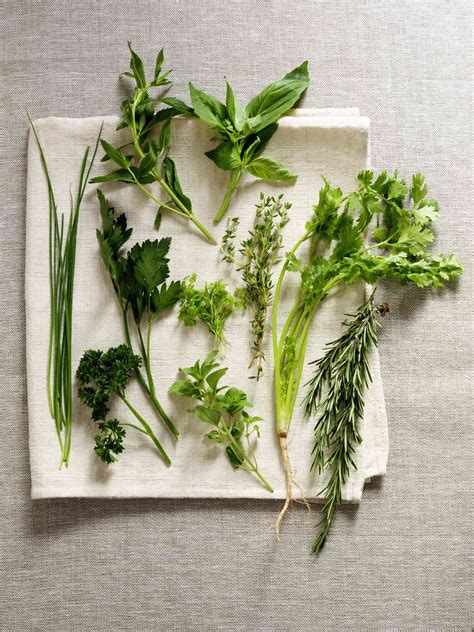
- Herbs (Parsley, Cilantro, Mint): Treat them like a bouquet of flowers. Trim the stems, place them in a small glass of water, cover loosely with a plastic bag, and refrigerate.
- Broccoli & Cauliflower: Store whole in a perforated bag or loosely wrapped in plastic in the crisper. For florets, ensure they are very dry before storing in an airtight container with a paper towel.
- Bell Peppers: Store whole in the crisper drawer. Once cut, store pieces in an airtight container with a paper towel.
By implementing these tried-and-true methods, you’ll transform your meal prep game. Your vegetables won’t just last longer; they’ll retain their vibrant colors, satisfying crunch, and peak nutritional value, making every meal a delicious and visually appealing experience.