How do foodies perfectly plate dishes for stunning visual appeal?

In the world of gastronomy, taste is king, but presentation is the crown jewel. For true foodies, a dish isn’t just about the symphony of flavors; it’s an experience that begins the moment it arrives at the table. Perfectly plated food tantalizes the eyes, whets the appetite, and elevates a simple meal into an artistic statement. But how do they do it? What secrets lie behind those Instagram-worthy dishes?
The Art of Visual Gastronomy
Plating is more than just arranging food on a dish; it’s a deliberate act of design that considers color, texture, shape, and space. It’s about storytelling, inviting the diner into the chef’s vision before the first bite is even taken. Understanding the fundamental principles of design is the first step towards transforming your culinary creations into visual masterpieces.

Fundamental Principles of Plating
Balance and Harmony
A well-plated dish achieves a sense of equilibrium. This doesn’t necessarily mean symmetry, but rather a balanced distribution of ingredients, colors, and textures that feel pleasant to the eye. Avoid overcrowding the plate; sometimes, less is more, allowing each component to breathe and stand out.
Contrast: Color, Texture, and Shape
Contrast is key to making a dish visually exciting. Think about contrasting colors (bright greens against a rich red sauce), textures (crispy fried elements next to a smooth puree), and shapes (round vegetables alongside julienned strips). These variations prevent the dish from looking monotonous and add depth.
Height and Dimension
Flat dishes can look uninspired. Introduce height to your plate by layering ingredients, stacking components, or placing items at an angle. This creates a more dynamic, three-dimensional presentation that catches the eye and makes the dish feel more substantial.
Focal Point and Storytelling
Every great painting has a focal point, and so should your dish. Choose one element that you want to highlight – perhaps the star protein or a vibrant garnish – and arrange other components to draw the eye towards it. Consider the narrative you want to convey: Is it rustic and comforting, or elegant and refined?

Essential Tools for Precision Plating
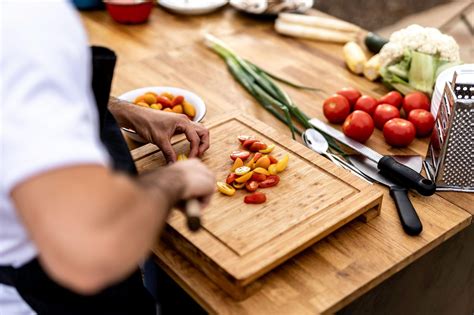
While creativity is paramount, a few simple tools can significantly enhance your plating precision:
- Squeeze Bottles: Perfect for creating dots, drizzles, and intricate patterns with sauces and purees.
- Culinary Tweezers: Ideal for precisely placing delicate garnishes like microgreens, edible flowers, or small herbs.
- Offset Spatula: Great for spreading sauces smoothly or lifting delicate items without disturbing their shape.
- Pastry Brushes: For applying thin, even layers of oil, glaze, or sauce.
- Plating Rings/Molds: To create perfectly uniform stacks or shapes for grains, salads, or purees.
Mastering Plating Techniques
The Rule of Thirds and Negative Space
Imagine your plate divided into a tic-tac-toe grid. Placing your main components at the intersections of these lines (the rule of thirds) often creates a more aesthetically pleasing arrangement. Equally important is negative space – the empty areas on the plate. Strategic negative space helps highlight the food, giving it room to shine rather than cluttering the presentation.
Sauces and Purees: Drizzles, Swipes, and Dots
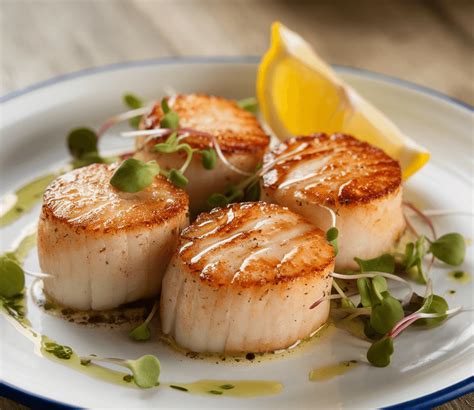
Sauces are not just for flavor; they are an artistic medium. A bold swipe of a puree across the plate, delicate dots strategically placed, or an elegant drizzle around the main component can add color, moisture, and visual flow. Experiment with different consistencies and application methods.
Garnishes: The Finishing Touch
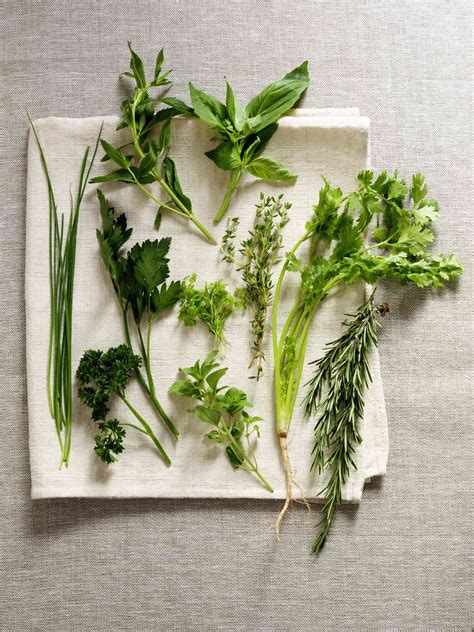
Garnishes are the jewelry of the dish. They should enhance, not overpower. Think about microgreens for freshness, edible flowers for a pop of color, a sprinkle of toasted nuts for crunch, or a finely chopped herb for aromatic appeal. Ensure garnishes are fresh, vibrant, and relevant to the dish’s flavors.

Common Plating Pitfalls to Avoid
- Overcrowding: Too many components make a dish look messy and overwhelming.
- Dirty Rims: Always wipe the rim of your plate clean before serving.
- Too Much Sauce: Drowning your food in sauce hides its textures and shapes.
- Inappropriate Plate Size: A dish that’s too small for its contents will look cramped; too large, and it might seem meager.
- Ignoring Edibility: Every garnish should be edible and complement the dish’s flavor profile.
Practice Makes Perfect (and Pretty)
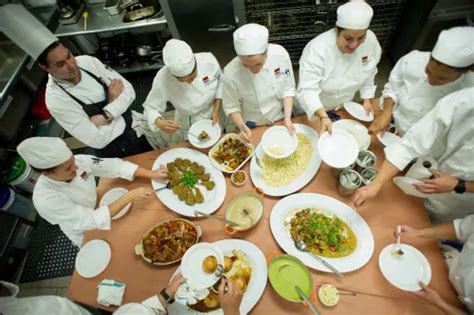
Like any art form, plating requires practice. Don’t be afraid to experiment. Take photos of your plated dishes, review them, and identify what works and what doesn’t. Look for inspiration from professional chefs, culinary magazines, and online resources. Over time, you’ll develop your unique plating style that reflects your personality and culinary flair.
Conclusion
Perfectly plating dishes isn’t just a professional chef’s secret; it’s an accessible skill that any home cook can master. By understanding fundamental design principles, utilizing a few simple tools, and practicing thoughtful techniques, you can transform your everyday meals into extraordinary visual feasts. So next time you cook, remember: the plate is your canvas, and your food, your art. Make it stunning!