How do foodies visually discover authentic local eats & capture drool-worthy adventure pics?
For the contemporary culinary explorer, the pursuit of authentic local eats extends far beyond taste. It’s an immersive, multi-sensory journey that begins with visual discovery and culminates in the captivating photographic documentation of unforgettable food adventures. In an age dominated by visual storytelling, the ability to spot genuine local flavors and then translate that experience into a drool-worthy image is an essential skill for any discerning foodie.
The Art of Visual Discovery: Unearthing Culinary Gems
Beyond the well-trodden tourist paths and ubiquitous chain restaurants, the true gastronomic heart of any destination often beats strongest in its lesser-known eateries, bustling street food markets, and unassuming family-run establishments. For the dedicated foodie, the quest for these authentic local eats is a thrilling treasure hunt, driven by a keen eye and an insatiable curiosity. It’s a pursuit that relies heavily on visual cues, from the first glimpse of a vibrant food stall to the meticulous arrangement of a local delicacy on a plate, long before the first bite ever touches the palate.
Social Media as a Scouting Tool
In today’s digital landscape, social media platforms like Instagram, TikTok, and Pinterest have become invaluable scouting tools. Foodies meticulously scroll through geo-tagged posts, local hashtags (#[city]food, #[city]eats, #hidden[city]gems), and influencer recommendations. They look for consistent visual themes: a stream of mouth-watering dishes, bustling local crowds, unpretentious settings, and genuine smiles. A quick glance at a restaurant’s tagged photos can reveal more about its authenticity and popularity than any official review.
Digital Reconnaissance: Beyond the Feed
The visual quest extends to more structured digital exploration. Google Maps Street View allows foodies to virtually walk down alleys and peek into neighborhood eateries, observing storefronts, local signage, and the general vibe of the area. Local food blogs, forums, and specialized travel apps often feature detailed photo essays and videos that provide a visual narrative of a particular dish or dining experience, offering a sneak peek into the establishment’s ambiance and culinary offerings.
On-the-Ground Intelligence and Sensory Cues
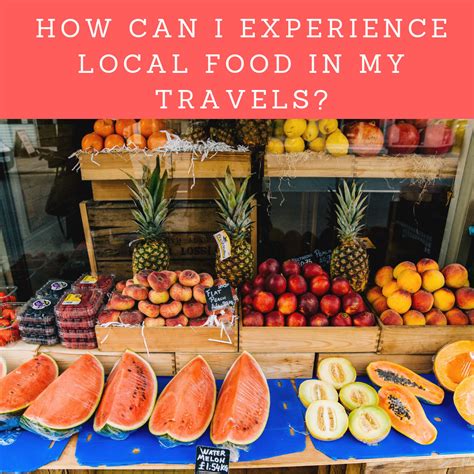
Once on location, the most effective visual discovery happens through direct observation. Foodies learn to read the local landscape: a long queue of locals outside an unmarked eatery is a universally recognized sign of good food. The sight of fresh, vibrant ingredients being displayed prominently, an open kitchen where chefs expertly craft dishes, or the simple yet inviting decor of a family-run establishment all serve as powerful visual indicators of authenticity. The visual ‘buzz’ of a lively market or a street food vendor expertly flipping pancakes can often be the best guide.
Beyond crowds and signage, the sheer visual appeal of the food itself plays a massive role. Are the dishes colorful? Do they look freshly prepared? Is there a sense of care and tradition in the presentation, even if it’s rustic? These visual questions often lead to the most rewarding culinary discoveries, prompting the adventurous foodie to take a leap of faith based on what they see.
Mastering the Lens: Capturing Drool-Worthy Moments
Discovering an incredible local eatery is only half the adventure; the other half lies in immortalizing that experience through photography. Capturing drool-worthy images isnopes an experience and shares it with a wider audience, inspiring fellow foodies to embark on their own culinary journeys.
The Power of Natural Light
The single most crucial element in food photography is light. Natural light, especially soft, diffused light from a window or during the ‘golden hour’ (early morning or late afternoon), is almost always superior to artificial or flash photography. Foodies strategically choose their seating near windows, utilize sheer curtains to diffuse harsh sunlight, or even move their plate to a better-lit spot (if culturally appropriate and not disruptive) to ensure their dishes are bathed in flattering, even illumination that highlights textures and colors.
Composition is Key: Framing the Feast
A well-composed shot draws the viewer’s eye and makes the food irresistible. Foodies employ classic photography principles: the rule of thirds (placing key elements along intersecting lines or at their junctions), leading lines (using elements like cutlery or table edges to guide the eye), and depth of field (blurring the background to make the food pop). Negative space can also be used effectively to give the dish room to breathe and highlight its simplicity or elegance.

Angles and Perspective: Telling the Dish’s Story
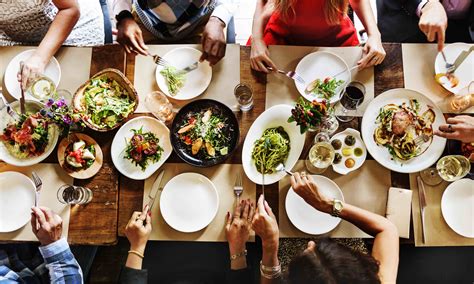
Different angles tell different stories. An overhead or ‘flat lay’ shot is excellent for showcasing an entire spread or the intricate design of a bowl. Eye-level shots are perfect for dishes with height, like towering burgers or layered cakes, making the viewer feel as if they are about to dig in. Close-ups, focusing on specific textures, glazes, or garnishes, evoke a powerful sensory experience, hinting at the crunch, tenderness, or juiciness of the food. Experimenting with various perspectives ensures a comprehensive visual narrative.
Styling Your Shot: Simple Enhancements
While authentic local eats might not always come perfectly plated, foodies subtly enhance their shots. This involves simple adjustments: wiping down a messy table, repositioning cutlery, adding a splash of vibrant sauce or a fresh herb sprig (if available), or using a simple, uncluttered background (a rustic wooden table, a plain tablecloth). The goal is to make the food the undisputed star of the image, minimizing distractions.
Storytelling Beyond the Plate: Capturing the Ambiance
A truly drool-worthy adventure pic captures more than just the food; it tells a story of the entire experience. This means including elements that convey the atmosphere: the bustling market, the steam rising from a street vendor’s pot, the hands of the chef preparing the meal, the colorful decor of the restaurant, or even the expressions of locals enjoying their meal. These broader contextual shots immerse the viewer in the foodie’s journey and provide a sense of place and culture.
Embracing the Authentic Experience: More Than Just a Meal
While visual discovery and photography are powerful tools, the heart of the foodie adventure lies in the authentic experience itself. These visual strategies are designed to enhance, not replace, the genuine connection with local culture and cuisine.
Engaging with Locals
One of the best ways to find truly authentic food is by simply asking locals. A friendly conversation with a shopkeeper, a hotel concierge, or even a fellow diner can lead to recommendations that no guidebook would ever mention. Observing how locals eat, what they order, and their dining etiquette also offers invaluable visual insights into the true culinary rhythm of a place.
Venturing Off the Beaten Path
Authenticity often resides away from the main tourist arteries. Foodies cultivate a sense of adventure, willing to explore side streets, visit neighborhood markets, and trust their intuition when a small, unassuming eatery catches their eye. Sometimes the most incredible discoveries come from unexpected detours, where the visual landscape signals something special.
Being Open and Adventurous
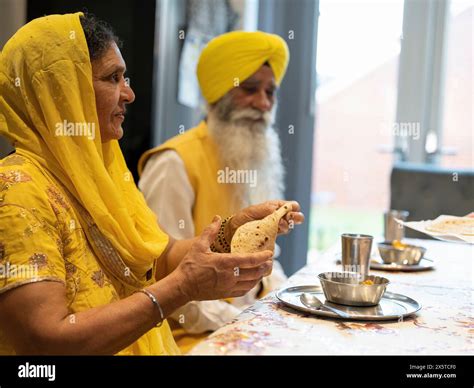
A true foodie embraces new tastes, textures, and ingredients. The visual journey might lead to dishes that look unfamiliar or challenging, but an open mind and adventurous palate are essential. The best photos often emerge from moments of genuine curiosity and willingness to step outside one’s culinary comfort zone, discovering an unexpected delight.
Post-Production & Sharing: Polishing Your Culinary Story
Once the photos are captured, a final touch in post-production and strategic sharing ensures they achieve maximum drool-worthiness and inspire others.
Subtle Enhancements, Not Over-Editing
The goal of editing is to enhance, not distort, the reality of the food. Minor adjustments to brightness, contrast, saturation, and sharpness can make colors pop and textures sing. Foodies aim for a natural look, avoiding heavy filters or overly dramatic edits that might make the food look artificial. The aim is to present the dish as authentically as possible, just more appealingly.
Crafting Captions: The Narrative Hook
A stunning photo deserves an equally compelling caption. Foodies use their captions to share the story behind the dish: its name, ingredients, cultural significance, the emotions it evoked, and the discovery journey. Engaging questions, recommendations, and relevant hashtags further extend the reach and impact of their visual storytelling.
Strategic Sharing: Inspiring Others
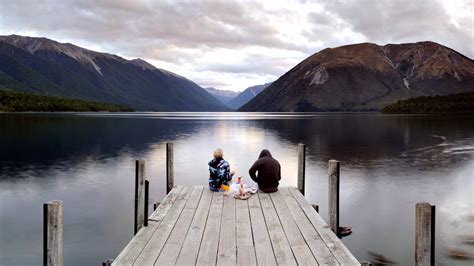
Knowing where and when to share is as important as the content itself. Posting on platforms where fellow food enthusiasts congregate, utilizing relevant geo-tags and hashtags, and interacting with comments all contribute to building a community around the shared love of food and travel. The ultimate reward is inspiring someone else to visually discover and taste the world’s incredible culinary diversity.
In essence, the modern foodie’s journey is a harmonious blend of visual exploration, culinary delight, and photographic artistry. From the moment of spotting a promising street stall to the final polished photograph shared with the world, every step is a testament to the power of sight in uncovering and celebrating the authentic flavors of our planet. It’s an adventure that feeds both the stomach and the soul, leaving a trail of drool-worthy images for all to follow.