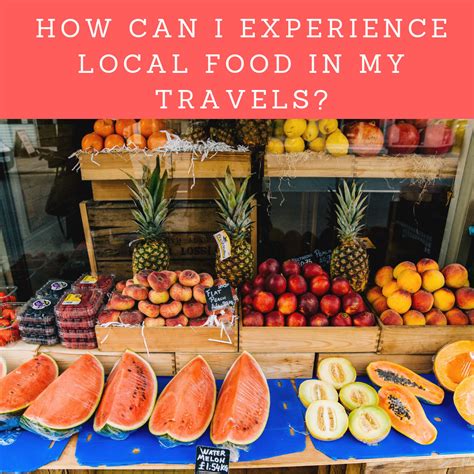
How do I best visually document food adventures for memory and sharing?
Embarking on a food adventure is about more than just satisfying your palate; it’s about experiencing culture, creating memories, and discovering new tastes. The challenge, however, often lies in how to effectively capture these fleeting culinary moments so they can be relived and shared with others. Visual documentation transforms a simple meal into a lasting narrative, whether it’s a street food delicacy in a bustling market or a gourmet dish in a quiet bistro.
To truly do justice to your gastronomic explorations, it’s essential to move beyond quick snapshots and adopt techniques that highlight the essence of your experience. This guide will walk you through the best practices for visually documenting your food adventures, ensuring your memories are vibrant and your stories are compelling.
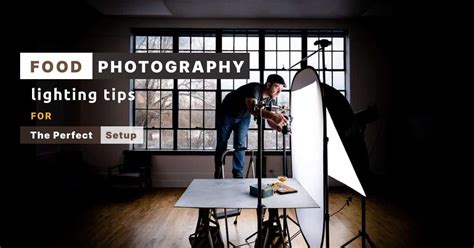
Mastering the Art of Food Photography
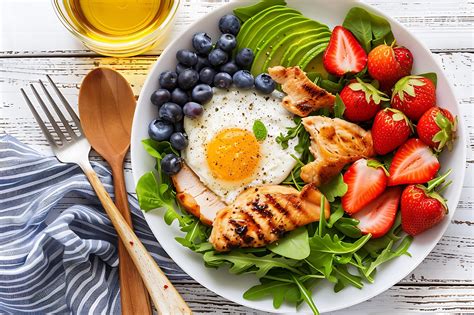
The cornerstone of great visual documentation is effective photography. Start with light. Natural light is almost always your best friend. Position your dish near a window, avoiding harsh direct sunlight which can create unflattering shadows. Experiment with different angles – overhead shots (flat lay) work wonderfully for showcasing an entire spread, while a closer eye-level shot can emphasize texture and depth, especially for towering dishes or drinks.
Composition is key. Use the rule of thirds, leading lines, and negative space to draw the viewer’s eye to the main subject. Don’t be afraid to include elements like cutlery, napkins, or a hint of the surrounding environment to add context and warmth to your shot. Cleanliness around your subject is also crucial; remove distracting crumbs or smudges before you shoot.
Detailing the Dish: Ingredients and Plating
Sometimes, the story isn’t just in the finished dish but in its components or preparation. Capture close-ups of vibrant ingredients, the intricate plating details, or even the steam rising from a hot bowl. These micro-moments add layers to your visual narrative. Think about the textures – the crispiness of fried chicken, the gooeyness of melted cheese, or the smooth sheen of a perfectly glazed dessert. These details engage the senses beyond just sight.
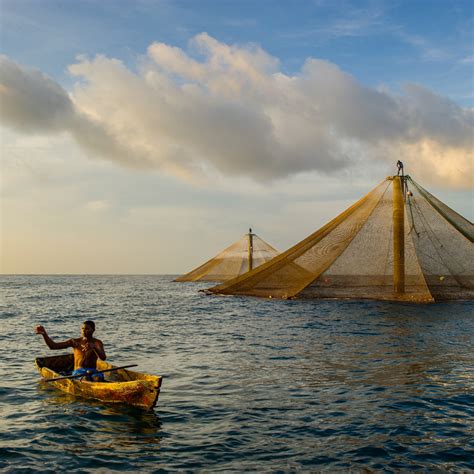
Adding Context: The Story Beyond the Plate
A plate of food, however beautiful, gains immense power when placed within its environment. Document the ambiance of the restaurant, the bustling energy of the market stall, or the scenic backdrop if you’re dining al fresco. Include people – your dining companions, the chef at work, or local vendors – to infuse your photos with life and culture. These shots provide a sense of place and time, transforming a simple food photo into a travel memory.
Consider a sequence of photos: the market where ingredients were sourced, the cooking process (if applicable), the beautifully presented dish, and finally, perhaps, an empty plate signifying enjoyment. This progression tells a more complete story.
Tools and Techniques for Visual Storytelling
You don’t need professional gear to create stunning food visuals. Modern smartphones are incredibly capable. Learn to use your phone’s manual settings or food photography modes. Focus on good lighting and composition, and you’re halfway there. Post-processing can elevate your images; simple edits like adjusting brightness, contrast, saturation, and sharpness can make a huge difference. Apps like Lightroom Mobile, Snapseed, or VSCO offer powerful editing tools, often for free.
Beyond static images, consider short video clips. A quick pan over a spread of tapas, the sizzle of a street food grill, or the pouring of a drink can add dynamic depth to your documentation. These short bursts of motion bring your memories to life in a way photos alone cannot.

Organizing and Sharing Your Edible Narratives
Once you’ve captured your culinary masterpieces, organize them! Create dedicated albums on your phone or cloud storage, perhaps categorized by location or type of food. This makes revisiting and sharing much easier. When it comes to sharing, think about your audience and platform. Instagram is perfect for quick, visually striking posts with relevant hashtags. A personal blog or travel journal allows for more detailed stories and multiple images. You could even create digital photo albums or print a small cookbook of your favorite documented dishes.
Tips for Authentic and Engaging Documentation
While technique is important, authenticity reigns supreme. Document what genuinely excites you. Don’t let the pursuit of the perfect shot detract from the actual experience of enjoying your food and company. Be quick and discreet, especially in public settings, to avoid disturbing others. Sometimes, the most memorable shots are the spontaneous ones.
Conclusion: Preserve and Share Your Delicious Journey
Visually documenting your food adventures enriches your memories and offers a delightful way to share your experiences with friends, family, and the wider world. By focusing on good lighting, thoughtful composition, contextual storytelling, and utilizing simple tools, you can transform your culinary journeys into a vibrant, lasting legacy. So next time you encounter an incredible dish, take a moment to capture its essence – you’ll be glad you did.