How do I choose recipe ingredients for maximum visual vibrancy and appeal?
The Art of Edible Aesthetics: Cooking with Your Eyes
In the culinary world, we often say that you eat with your eyes first. While taste and aroma are paramount, the visual presentation of a dish significantly impacts our perception of its flavor and overall appeal. Choosing ingredients not just for their taste but also for their vibrant colors, intriguing textures, and appealing shapes can elevate a simple meal to a memorable dining experience. This guide will walk you through selecting ingredients that promise maximum visual vibrancy and appeal, ensuring your dishes look as good as they taste.
Embrace the Rainbow: Color is King
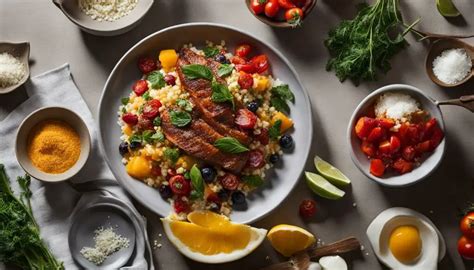
Color is arguably the most powerful tool in your visual arsenal. A plate full of monochromatic food can often appear dull, regardless of how delicious it tastes. Aim for a diverse palette that includes bright, contrasting colors to create visual interest and stimulate appetite.
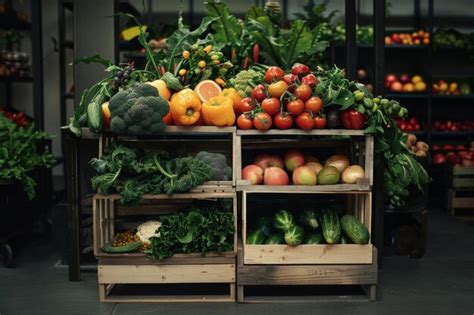
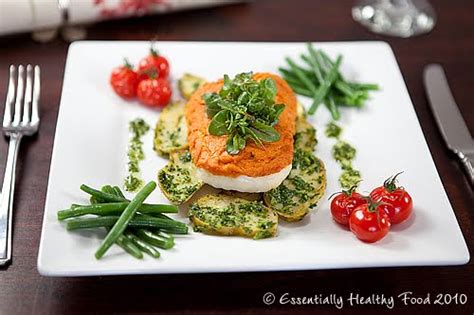
Think about the natural hues of fresh produce: the deep reds of tomatoes, the brilliant greens of herbs, the sunny yellows of citrus, and the rich purples of eggplant. Combining these can create a dynamic and inviting presentation. For instance, pairing a vibrant green pesto with cherry tomatoes or a bright yellow corn salsa with black beans offers a striking contrast.
Complementary Colors for Pop
Understanding basic color theory can transform your plating. Complementary colors (like red and green, or yellow and purple) placed next to each other create a powerful visual pop. A sprinkle of fresh parsley over a rich red pasta sauce, or a scattering of toasted almonds over a purple cabbage salad, are simple yet effective ways to enhance appeal.
Texture and Shape: Adding Depth and Interest
Beyond color, varying textures and shapes in your dish add complexity and excitement. A meal consisting of only soft ingredients, or only uniformly cut ingredients, can feel monotonous. Introduce elements that offer contrast in bite and appearance.
Consider the interplay of crunchy nuts or seeds, creamy avocado, crisp leafy greens, and firm roasted vegetables. Incorporating different cuts—diced, sliced, julienned, or even whole—can also make a significant difference. For example, a salad with thinly sliced radishes, crumbled feta, and whole toasted walnuts will always look more appealing than one with just uniformly chopped lettuce.
Freshness, Quality, and Natural Vibrancy
The best way to ensure visual vibrancy is to start with high-quality, fresh ingredients. Dull, wilted, or bruised produce will never look appetizing, no matter how skillfully it’s arranged. Fresh ingredients naturally possess more intense colors, firmer textures, and a natural sheen that speaks volumes about their quality.
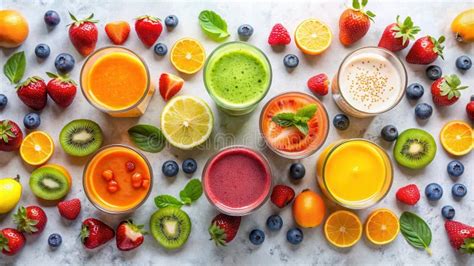
Prioritize seasonal produce, which is often at its peak freshness and flavor. Vibrant green herbs, crisp bell peppers, glossy berries, and firm root vegetables will provide a superior visual foundation for your dishes. A salad made with crisp, bright green lettuce leaves will always be more inviting than one made with limp, pale greens.
Strategic Garnishes and Finishing Touches
Garnishes aren’t just for fancy restaurants; they are essential for adding that final touch of visual vibrancy and appeal. A thoughtfully chosen garnish can introduce a last burst of color, a contrasting texture, or a delicate height to complete your dish.
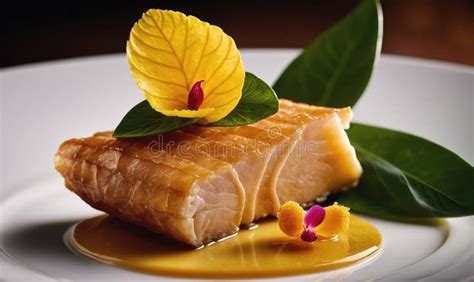
Think about a sprinkle of fresh chopped herbs (like parsley, cilantro, or chives), a grating of lemon zest, a dusting of paprika, a swirl of contrasting sauce, or even edible flowers. These small additions can transform a plate from good to gourmet, adding brightness and a professional finish.
Practical Ingredient Examples for Visual Impact
Greens: A Foundation of Freshness
- Spinach & Kale: Deep, earthy greens perfect for a base.
- Arugula & Watercress: Peppery and vibrant, offering a lighter shade.
- Parsley & Cilantro: Bright green, essential for garnishes and fresh flavor.
- Green Bell Peppers & Zucchini: Crisp texture and consistent color.
Reds & Oranges: Bold and Appetizing
- Tomatoes: From deep red heirlooms to vibrant cherry varieties.
- Bell Peppers: Striking reds, oranges, and yellows for color and crunch.
- Carrots & Sweet Potatoes: Earthy sweetness with bright orange hues.
- Chili Peppers: A fiery visual and flavor punch.
Yellows & Whites: Brightness and Balance
- Lemons & Limes: Zesty color for garnishes and acidic brighteners.
- Corn: Sunny yellow kernels offering sweetness and texture.
- Onions & Garlic: While subtle, their white provides a clean contrast.
- Pasta & Rice: A neutral canvas that allows other colors to pop.
Purples & Blues: Unexpected Elegance
- Red Cabbage: Finely shredded, offers a striking purple hue.
- Eggplant: Glossy, deep purple skin adds richness.
- Blueberries & Blackberries: Jewel-toned additions for salads or desserts.
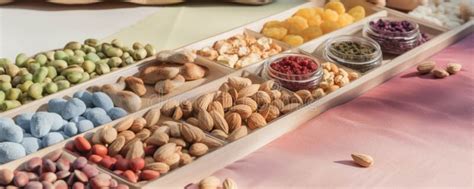
Plate with Purpose
Choosing ingredients for visual appeal is an art form that transforms your cooking. By focusing on a diverse spectrum of colors, varying textures and shapes, selecting the freshest produce, and adding thoughtful garnishes, you can create dishes that captivate the eye and promise a delightful culinary experience.
Remember, cooking is a multi-sensory experience. Take the time to consider how your ingredients will look together on the plate. Experiment with different combinations, observe how colors interact, and most importantly, have fun creating beautiful, vibrant meals that are a feast for both the eyes and the palate.