How do I keep roasted veggies vibrant & crisp for visually stunning food photography?

Roasted vegetables are a staple in many cuisines, offering incredible flavor and comforting textures. However, transforming them into a show-stopping element for food photography requires more than just good cooking – it demands techniques that preserve their vibrant colors and desirable crispness. A limp, dull vegetable simply won’t capture the eye. This guide will walk you through the essential steps to ensure your roasted veggies are as photogenic as they are delicious.
Start with the Right Foundation: Prep and Cut
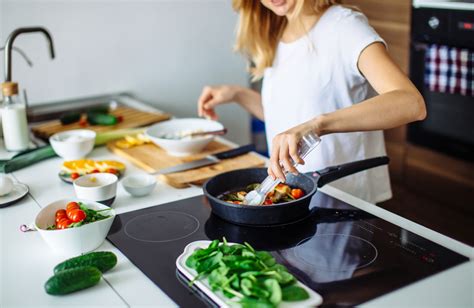
The journey to perfect roasted vegetables begins before they even hit the oven. Select fresh, high-quality produce. Wash and dry your vegetables thoroughly; any excess moisture will steam them instead of allowing them to roast, leading to a soggy texture. Cut your vegetables into uniform sizes. This is crucial for even cooking, ensuring all pieces are done at the same time and achieve consistent browning and crispness. For harder vegetables like potatoes or carrots, consider slightly smaller cuts than for softer ones like bell peppers or zucchini.
The Art of Roasting: Temperature, Oil, and Spacing
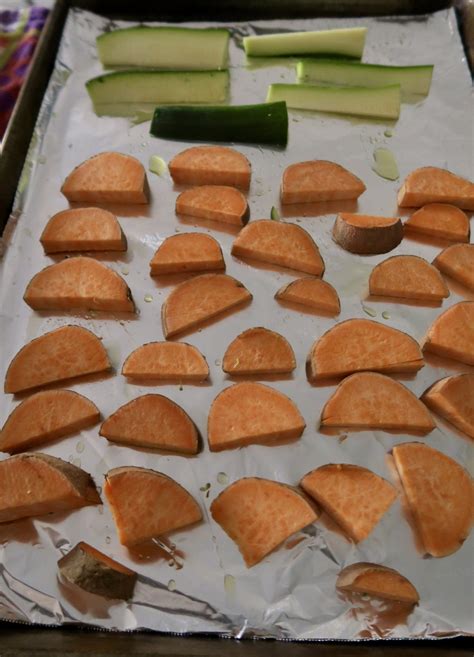
Achieving that coveted crisp exterior and tender interior hinges on a few critical factors. First, preheat your oven to a high temperature, typically between 400-450°F (200-230°C). A hot oven ensures immediate searing upon contact, preventing the veggies from steaming. Second, use the right amount of oil – just enough to coat lightly without pooling, which can make them greasy. Olive oil is a popular choice, but avocado oil or grapeseed oil also work well for high heat.
Crucially, do not overcrowd the baking sheet. This is perhaps the most common mistake. When vegetables are too close together, they release moisture and steam each other, preventing browning and crisping. Give them space to breathe; use multiple baking sheets if necessary. Flipping them halfway through cooking also promotes even browning on all sides.
Enhance Color and Texture Post-Roasting
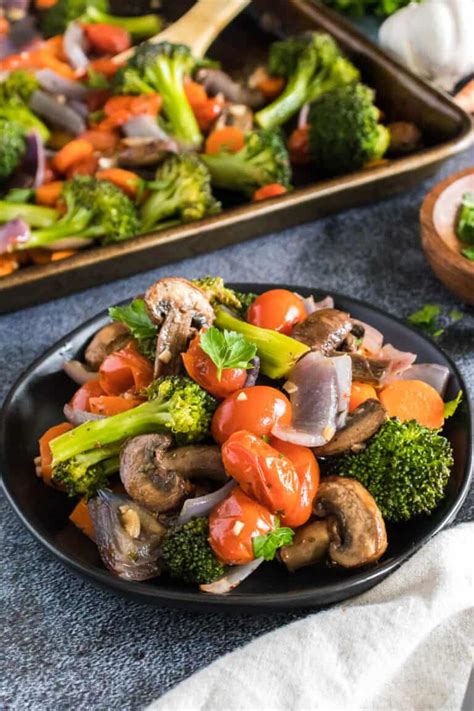
While the roasting process is key, what you do afterward can elevate your vegetables for photography. Once roasted, avoid letting them sit for too long, as they can lose their crispness and vibrancy. For an extra pop of color, consider a quick toss with fresh herbs like parsley, cilantro, or dill immediately after taking them out of the oven. A squeeze of fresh lemon juice or a drizzle of good quality balsamic glaze can also brighten flavors and add a beautiful sheen. These additions should be made just before plating to maintain their freshness.
Strategic Plating for the Camera
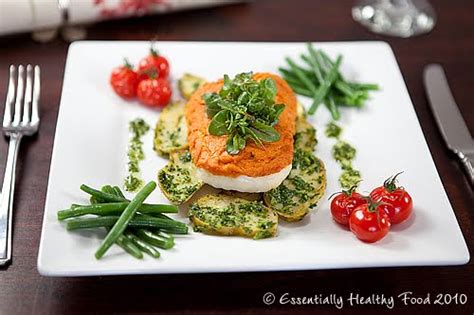
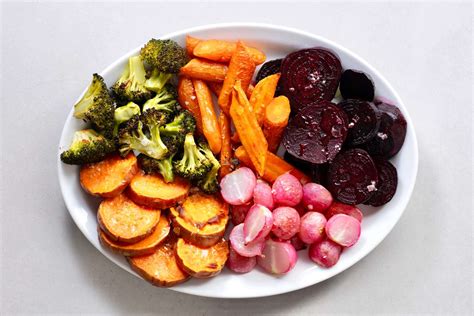
Food photography is about storytelling, and your roasted vegetables should look inviting. When plating, arrange them strategically. Don’t just dump them on the plate. Show off their browned edges, varied textures, and vibrant colors. Consider using complementary colors on your plate, perhaps a darker ceramic plate to make brighter veggies stand out. A sprinkle of flaky sea salt just before the shot can also add visual texture and sparkle.
The Golden Hour: Timing Your Shot
Just like any star, your roasted veggies have a prime time for their photoshoot. Aim to photograph them as soon as possible after they’ve been prepared and plated. The longer they sit, the more likely they are to lose their heat, crispness, and vibrant color due to moisture release. Work quickly with good lighting – natural light is often best – to capture their peak appeal. Have your camera settings ready and your props arranged before the food hits the plate.
Conclusion
Keeping roasted vegetables vibrant and crisp for visually stunning food photography is a combination of meticulous preparation, precise cooking techniques, and thoughtful plating. By following these steps – from proper drying and cutting to high-heat roasting and quick post-cook embellishments – you can transform simple roasted vegetables into edible works of art that are ready for their close-up. Happy roasting and photographing!