How do I keep vibrant colors in roasted vegetables for visually appealing dishes?

Unlock the Secret to Bright, Beautiful Roasted Vegetables
Roasted vegetables are a staple for many meals, beloved for their caramelized sweetness and tender texture. However, they can often emerge from the oven looking a bit dull and muted, losing the vibrant hues that make them so appealing when raw. The good news is that with a few simple techniques, you can ensure your roasted vegetables retain their stunning colors, making your dishes not just delicious but also a feast for the eyes.
Start with the Freshest Ingredients
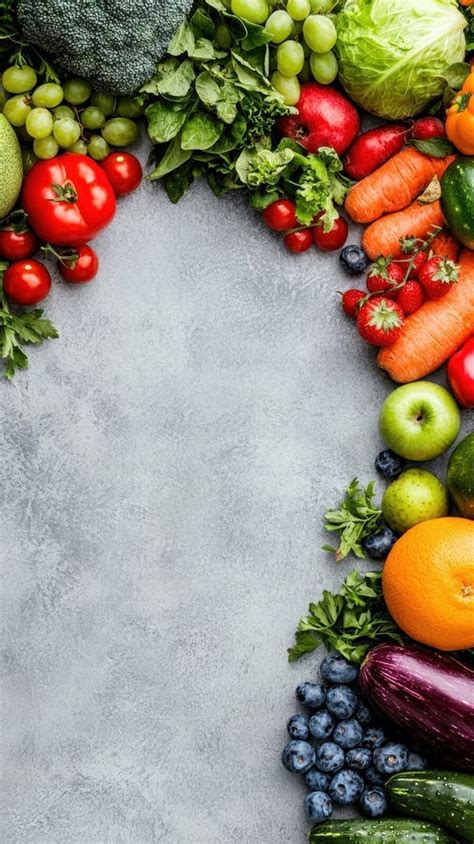
The foundation of vibrant roasted vegetables begins even before you turn on the oven. Opt for the freshest, highest-quality produce you can find. Vegetables that are past their prime will already have diminished color and nutrient content, making it harder to revive their brilliance. Look for crisp greens, firm roots, and bright, unblemished surfaces.
Preparation is Key: Washing, Drying, and Cutting
Thorough preparation is crucial for color retention. First, wash your vegetables well. More importantly, ensure they are completely dry before tossing them with oil. Excess moisture will cause the vegetables to steam rather than roast, leading to a mushy texture and a dull finish. Use a clean kitchen towel or paper towels to pat them dry.
Next, cut your vegetables into uniform sizes. This ensures even cooking, preventing some pieces from burning while others remain undercooked. Uneven cooking can also lead to inconsistent color, as some parts might over-caramelize and darken too much.

Embrace the Power of Proper Roasting
Don’t Overcrowd the Pan
One of the biggest culprits for dull, steamed vegetables is an overcrowded baking sheet. When vegetables are packed too closely, they release moisture, creating steam rather than allowing direct heat to caramelize their surfaces. This steaming process dulls colors and results in a less appealing texture. Give your vegetables plenty of space; use multiple baking sheets if necessary, ensuring a single layer of vegetables that aren’t touching.
High Heat for Quick Roasting
Roasting at a sufficiently high temperature (usually 400-425°F or 200-220°C) is essential. High heat promotes rapid caramelization and crisping of the exterior while keeping the interior tender. Lower temperatures can lead to longer cooking times, which means more exposure to heat and a greater chance for colors to fade. Keep an eye on your vegetables and avoid overcooking, as prolonged heat exposure is a primary cause of color loss.
Strategic Oil and Acid Use
Use just enough oil to lightly coat the vegetables; too much can make them greasy and prevent proper browning. Olive oil is a popular choice, but neutral oils like avocado or grapeseed can also work well, especially for higher heat. For green vegetables like broccoli or asparagus, a splash of acid (like lemon juice or a dash of vinegar) added towards the end of cooking or just before serving can help brighten and set their vibrant green hue.
Finishing Touches for a Pop of Color
Once roasted, a few final touches can elevate your dish’s visual appeal even further. Consider adding fresh herbs like parsley, cilantro, or dill right before serving. Their bright green contrast beautifully with the cooked vegetables. A final squeeze of fresh lemon or lime juice can also refresh flavors and enhance the natural colors. Sprinkling with flaky sea salt adds texture and highlights.
Conclusion
By focusing on fresh ingredients, proper preparation, high-heat roasting with adequate space, and thoughtful finishing touches, you can consistently achieve roasted vegetables that are not only bursting with flavor but also stunningly vibrant. Say goodbye to dull, drab veggies and hello to a rainbow on your plate, making every meal more inviting and enjoyable.