How do I maintain vibrant color in cooked vegetables for eye-catching visual feeds?
The Art of Colorful Cooking for Eye-Catching Feeds
In today’s visually-driven world, the appeal of food extends far beyond taste. A dish’s vibrant colors can capture attention, stimulate appetites, and elevate your culinary creations into share-worthy masterpieces. For home cooks and content creators alike, ensuring vegetables retain their brilliant hues after cooking is a valuable skill. It’s not just about aesthetics; vibrant colors often indicate better nutrient retention and fresher flavors. Let’s dive into the science and practical techniques that will help you achieve stunningly colorful cooked vegetables every time.
Understanding Vegetable Color Chemistry
Different pigments give vegetables their distinct colors, and each reacts uniquely to heat and pH levels. Chlorophyll, responsible for greens (spinach, broccoli), is highly sensitive to acid, which can turn greens dull and olive-colored. Carotenoids, found in oranges and yellows (carrots, bell peppers), are more stable but can be leached out with excessive water. Anthocyanins, which give reds and purples (red cabbage, beets), are pH-sensitive; acids enhance red, while alkalis turn them blue or purple. Understanding these basics is the first step to preserving their beauty.
Pre-Cooking Preparation: Setting the Stage for Success
Start with Freshness
The vibrancy of your cooked vegetables begins with the quality of your raw ingredients. Always choose the freshest, brightest produce available. Older vegetables naturally lose some of their pigment and firmness, making them harder to revive.
Proper Washing and Cutting
Wash vegetables thoroughly but avoid soaking them for extended periods, which can leach out water-soluble nutrients and pigments. Cut vegetables into uniform sizes to ensure even cooking, preventing some pieces from becoming overcooked and dull while others remain undercooked.
Mastering Cooking Methods for Maximum Color
Blanching and Shocking: The Ultimate Trick
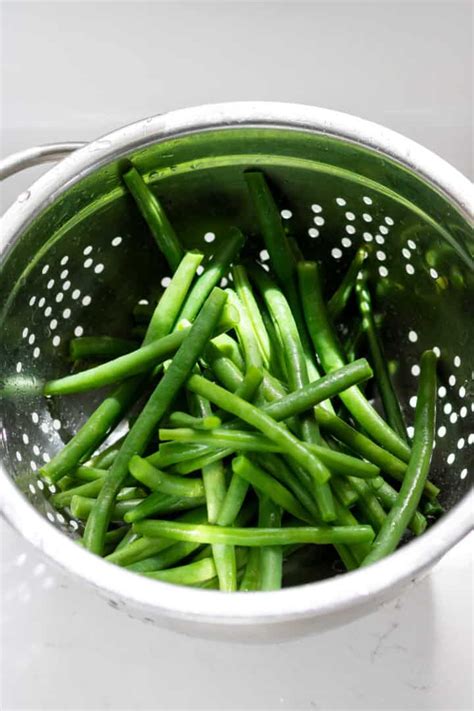
For most green vegetables, blanching followed by an ice bath (shocking) is your secret weapon. Briefly immerse vegetables in rapidly boiling, salted water for 1-3 minutes until bright green and slightly tender-crisp. Immediately transfer them to an ice bath to halt the cooking process. This preserves their chlorophyll and sets their vibrant color.
Steaming for Gentle Heat
Steaming is an excellent method for many vegetables, as it minimizes contact with water, reducing the leaching of pigments. Steam vegetables until just tender, avoiding overcooking, which can dull colors and make them mushy.
Quick Sautéing or Stir-Frying
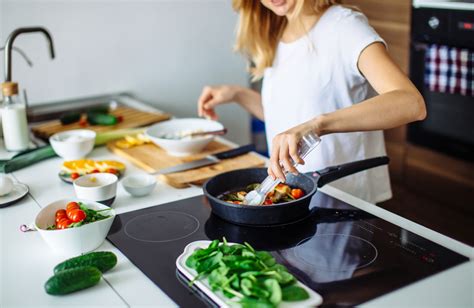
High heat and short cooking times are key for sautéing. Use a hot pan and a small amount of fat to quickly cook vegetables until they are tender-crisp and vibrant. Overcrowding the pan can lower the temperature and lead to steaming rather than sautéing, resulting in less vibrant results.
Roasting with a Watchful Eye
Roasting can bring out beautiful caramelization and intense flavors, especially in root vegetables and brassicas. Toss them lightly with oil and seasonings, spread them in a single layer, and roast at a moderately high temperature until tender and slightly browned. Keep an eye on them to prevent burning, which will darken and dull the color.
Key Factors During Cooking
The pH Balance: Acid vs. Alkali
Be mindful of acids and alkalis. For green vegetables, avoid adding acidic ingredients (like lemon juice or vinegar) until the very end of cooking, as they can cause chlorophyll to degrade and turn greens brownish. Conversely, a tiny pinch of baking soda can sometimes enhance green color by creating an alkaline environment, but use sparingly as it can also make vegetables mushy. For red and purple vegetables, a touch of acid (like lemon juice) can brighten and stabilize their red hues, while alkaline conditions can shift them towards blue or purple.
Cook Time and Temperature
The most common culprit for dull vegetables is overcooking. Aim for “al dente” – tender but still firm. High heat for a short duration is generally better for color retention than low heat for a long time.
Cook in Small Batches
If you have a large quantity of vegetables, cook them in smaller batches. This helps maintain high cooking temperatures and ensures even cooking, preventing some pieces from sitting in cooling water or steam for too long.
Post-Cooking and Serving Tips
Serve Immediately or Cool Properly
To keep colors bright, serve vegetables immediately after cooking. If preparing ahead, cool them quickly in an ice bath (if blanched) or spread them on a tray to cool rapidly, preventing residual heat from continuing the cooking process. Store properly and reheat gently if necessary.
Minimal Reheating
Reheating can often dull vibrant colors. If you must reheat, do so quickly and gently, perhaps by a quick sauté or a brief steam, rather than prolonged microwaving.

Conclusion: Practice Makes Perfect
Achieving consistently vibrant cooked vegetables is a combination of understanding basic chemistry and applying precise cooking techniques. From blanching and shocking to mindful sautéing and careful seasoning, each step plays a crucial role. Experiment with different vegetables and methods, observe how they react, and soon you’ll be creating dishes that are not only delicious but also incredibly appealing to the eye, perfect for sharing on any visual feed.