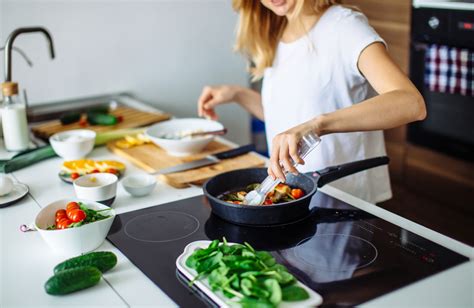
How do I prevent my sautéed greens from turning soggy, maintaining vibrant color & crunch?

Sautéed greens can be a delicious and nutritious side dish, but too often, they end up as a limp, water-logged mess. The good news is that with a few simple adjustments to your technique, you can consistently achieve bright, tender-crisp greens that retain their vibrant color and delightful crunch. Let’s dive into the secrets.
The Foundation: Proper Washing and Drying
This is arguably the most critical step. Excess water on your greens turns into steam when it hits the hot pan, effectively steaming your vegetables instead of sautéing them. This steaming action leads directly to sogginess and dull color.
- Wash Thoroughly: Rinse your greens under cold water to remove any dirt or grit.
- Dry Meticulously: Use a salad spinner to remove as much water as possible. For leafy greens like spinach or kale, lay them out on clean kitchen towels or paper towels and gently pat them dry until no visible moisture remains. The drier the greens, the better the sauté.

Heat Management is Key: Pan, Oil, and Temperature
Sautéing literally means ‘to jump’ in French, implying quick cooking over high heat. This method relies on rapid evaporation of surface moisture and caramelization, not steaming.
- Use the Right Pan: A wide, heavy-bottomed pan (like cast iron or stainless steel) is ideal. It retains heat well and provides ample surface area for the greens to make contact with the hot surface.
- Preheat Properly: Heat your pan over medium-high to high heat before adding any oil. You want the pan to be very hot.
- Generous Oil: Add a good swirl of high smoke point oil (like avocado, grapeseed, or canola) and let it shimmer. The oil helps transfer heat efficiently and prevents sticking.
Avoid Overcrowding the Pan
This is another major culprit for soggy greens. When you add too many greens to the pan at once, two things happen:
- The temperature of the pan drops significantly.
- The greens release their moisture, which then has nowhere to go but to steam the other greens, as there’s not enough hot surface area for rapid evaporation.
If you have a large batch of greens, cook them in smaller batches. It might seem tedious, but it makes a world of difference. You want enough space for the greens to lie relatively flat and for steam to escape.
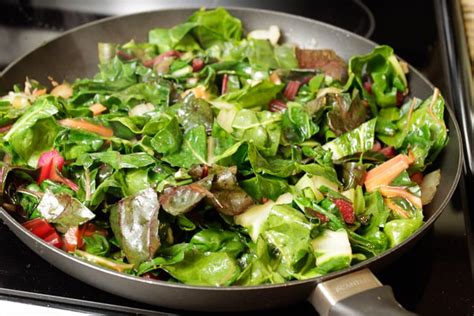
Quick Cooking for Crispness
Once your pan is hot and perfectly oiled, the actual cooking time for most greens is remarkably short.
- Add Greens: Toss your dried greens into the hot pan. They will look like a mountain at first, but will quickly wilt down.
- Stir Constantly: Keep the greens moving with tongs or a spatula. This ensures even cooking and prevents burning, allowing every leaf to hit the hot surface.
- Cook Briefly: Most tender greens (spinach, Swiss chard, bok choy leaves) will be done in 2-4 minutes. Hardier greens (kale, collards) might take 5-7 minutes. You’re looking for them to be tender but still have a slight bite and bright color.
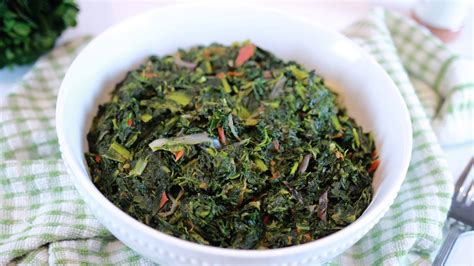
Seasoning Strategy and Finishing Touches
When you season your greens also plays a role in their texture.
- Salt at the End: Adding salt too early can draw out moisture, contributing to sogginess. Season with salt and pepper towards the end of the cooking process, or even after removing from heat.
- Acid for Brightness: A squeeze of fresh lemon juice or a splash of vinegar (like apple cider or balsamic) at the very end can enhance the greens’ natural color and add a refreshing zing without making them soggy.
- Flavor Boosters: Don’t forget aromatics like minced garlic or shallots. Add them to the pan just after the greens have wilted slightly, or even earlier if you want them more cooked, but be mindful of not burning them.

Choosing Your Greens Wisely
While most greens can be sautéed, some are more forgiving than others:
- Quick-Cooking: Spinach, Swiss chard, bok choy (leaves), arugula.
- Hardier: Kale, collard greens, mustard greens. These might benefit from a quick blanch beforehand to tenderize them, or a longer sauté time with a splash of broth or water added after the initial sauté to steam-finish them to desired tenderness, if you prefer them softer.
By following these guidelines – meticulous drying, high heat, avoiding overcrowding, quick cooking, and proper seasoning – you’ll transform your sautéed greens from a floppy disappointment into a vibrant, crunchy, and flavorful triumph every time. Happy cooking!