How do I prevent my vibrant veggie stir-fry from getting soggy yet flavorful?
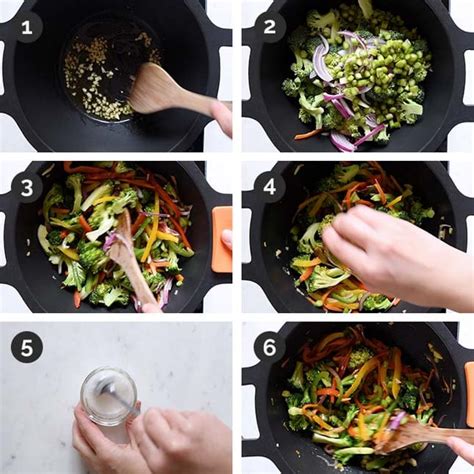
The Quest for the Perfect Stir-Fry: Crispy, Not Soggy
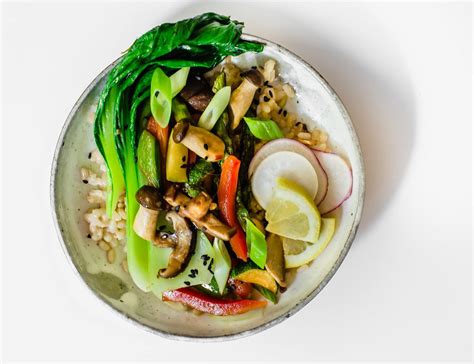
There’s nothing quite like a vibrant, flavorful veggie stir-fry – unless it turns into a watery, mushy mess. Achieving that ideal balance of tender-crisp vegetables, rich sauce, and bright flavors is a culinary art that many home cooks strive for. The good news is, preventing a soggy stir-fry is entirely within your control, requiring just a few strategic adjustments to your preparation and cooking technique.

Preparation is Paramount: Mis En Place and Moisture Control
The foundation of a great stir-fry begins long before the heat hits the pan. Chop Uniformly: Cut your vegetables into roughly similar sizes to ensure even cooking. Think bite-sized pieces that will cook quickly. Dry Your Veggies: This is perhaps one of the most critical steps. Any excess moisture on your vegetables will steam them instead of stir-frying, leading directly to a soggy result. Wash your produce well, then pat it thoroughly dry with paper towels or use a salad spinner. Seriously, get them as dry as possible!
Mis En Place: Have all your ingredients prepped, chopped, and ready to go. Stir-frying is a fast-paced cooking method, so you won’t have time to chop garlic while your broccoli is burning.
Heat and Batches: The Golden Rules
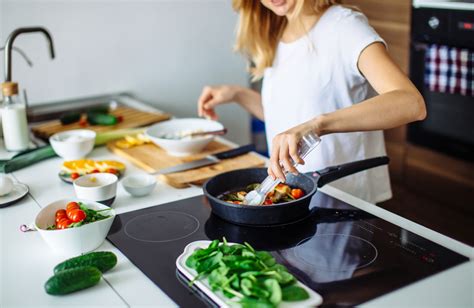
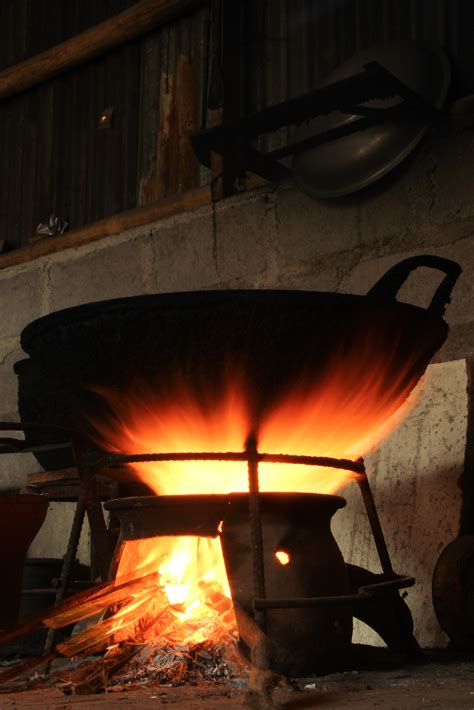
High Heat, Always: A stir-fry needs intense, consistent heat to achieve that desirable char and quick cooking. Use a wok if you have one; its wide surface and high walls are designed for this purpose. If not, a large, heavy-bottomed skillet or cast-iron pan will work, but ensure it gets screaming hot before you add any ingredients. A smoking pan is a happy stir-fry pan!
Don’t Overcrowd the Pan: This is another major culprit behind soggy stir-fries. When you add too many vegetables at once, the temperature of the pan drops dramatically. The vegetables then release their moisture, and instead of searing, they steam. Cook your vegetables in batches if necessary, especially if you’re making a larger portion. Give them space to breathe and sear.
Strategic Cooking Order and Sauce Application
Cook in Order: Different vegetables have different cooking times. Add the denser, harder vegetables first (e.g., carrots, broccoli, bell peppers) and cook them for a few minutes before adding quicker-cooking ones (e.g., snap peas, mushrooms, leafy greens). Delicate vegetables like spinach or bean sprouts should go in last, often just for the final minute or two.
The Right Amount of Oil: Use enough oil to coat the pan and ingredients, but not so much that they’re swimming in it. A thin layer is all you need to facilitate browning and prevent sticking.
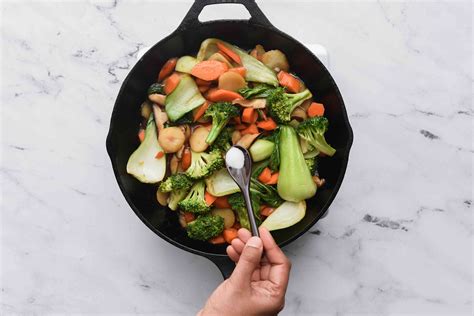
Sauce Smartly: A common mistake is to add the sauce too early or use too much of it. A stir-fry sauce is often liquid-based, and adding it too soon can simmer your vegetables, again leading to sogginess. Prepare your sauce ahead of time and have it ready. Add the sauce towards the very end of the cooking process, after your vegetables have reached their desired crisp-tender texture. Toss it quickly to coat, allowing it to thicken slightly, and then serve immediately.
For a thicker sauce without excessive simmering, you can add a cornstarch slurry (cornstarch mixed with a small amount of cold water) to your sauce before adding it to the pan, or directly to the pan at the end of cooking for a quick glaze.
Bringing It All Together for Stir-Fry Success
By mastering these techniques – thorough preparation, high heat, cooking in batches, strategic timing, and smart sauce application – you’ll transform your stir-fry game. Say goodbye to dull, watery vegetables and hello to a symphony of crisp textures and vibrant flavors. Your homemade stir-fry will not only look stunning but taste truly exceptional, proving that a little attention to detail goes a long way in the kitchen.