How do I select and prep ingredients to maximize visual appeal in vibrant dishes?

The saying “we eat with our eyes first” holds immense truth, especially when it comes to creating truly memorable culinary experiences. A dish that looks vibrant and appealing instantly elevates anticipation and enjoyment. Mastering the art of selecting and prepping ingredients is crucial for maximizing visual appeal, transforming simple meals into feasts for the senses.
The Foundation: Selecting Your Stars
The journey to a visually stunning dish begins long before any knife touches a cutting board – it starts with ingredient selection. Prioritize freshness and quality above all else. Look for produce with bright, saturated colors, firm textures, and no signs of wilting, bruising, or blemishes. A vibrant red bell pepper or a crisp bunch of kale will naturally stand out more than their tired counterparts.
Consider variety in your selection. A medley of colors, shapes, and textures adds depth and excitement. Think about contrasting hues – a deep purple eggplant next to bright yellow corn, or crisp green herbs against a creamy white sauce. Seasonal ingredients often boast the best colors and flavors, making them ideal choices for vibrant presentations.

Prepping for Perfection: Enhancing Natural Beauty
Once you’ve gathered your premium ingredients, thoughtful preparation is key to preserving and enhancing their visual impact.
Precision Cutting Techniques
- Uniformity: Consistent cuts ensure even cooking and a professional appearance. Whether dicing, julienning, or slicing, strive for uniformity.
- Shape and Angle: Don’t be afraid to get creative. Diagonal cuts on vegetables like carrots or asparagus can add elegance. Use cookie cutters for fun shapes in appetizers or garnishes.
- Sharp Knives: A sharp knife prevents bruising and tearing, leaving clean edges that reflect light beautifully.
Color Preservation Methods
- Blanching and Shocking: For green vegetables (broccoli, asparagus, green beans), a quick blanch in boiling water followed by an immediate plunge into ice water locks in their brilliant green color and crisp texture.
- Gentle Handling: Over-handling delicate ingredients can lead to bruising and loss of vibrancy.
- Acid Brighteners: A squeeze of lemon juice or a splash of vinegar can sometimes brighten the color of certain fruits and vegetables, and also prevent oxidation (e.g., apples, avocados).

Mastering the Art of Contrast and Color Theory
Understanding basic color theory can dramatically elevate your plating. Think about how colors interact on the plate. Complementary colors (opposites on the color wheel, like red and green, or yellow and purple) create strong visual pop. Analogous colors (next to each other on the color wheel, like yellow, orange, and red) offer a harmonious, flowing look.
Don’t underestimate the power of contrast in textures and shine. A glossy sauce over matte pasta, or crunchy toasted nuts atop a soft purée, adds another layer of visual interest. Negative space is equally important; avoid overcrowding the plate, allowing each ingredient to stand out.

Cooking Techniques for Enhanced Appeal
The way you cook ingredients also plays a significant role in their final look.
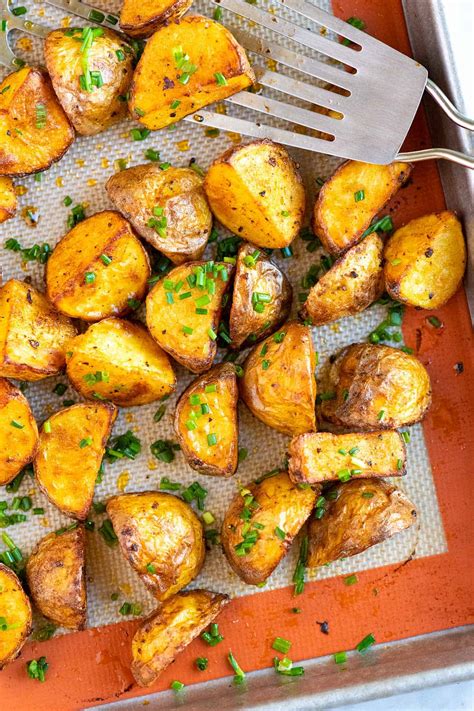
- Roasting/Grilling: High-heat methods can develop beautiful caramelization and char marks, adding depth and rustic appeal. Think about roasted bell peppers with slightly blackened edges or grilled zucchini with distinct grill lines.
- Sautéing: Quick sautéing preserves the crispness and bright color of many vegetables.
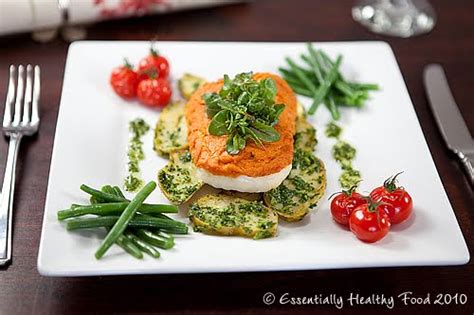
- Garnishes: A final flourish of fresh herbs (parsley, cilantro, mint), a sprinkle of toasted seeds, edible flowers, or a drizzle of contrasting oil (like a vibrant green basil oil or a deep red chili oil) can instantly uplift a dish’s visual appeal.
Final Touches: Thoughtful Arrangement
Even with perfectly prepped ingredients, the final arrangement on the plate can make or break the visual impact. Think about height, layering, and creating focal points. Use sauces as a base or drizzle artfully. Consider the “rule of odds” when arranging elements – odd numbers often look more natural and aesthetically pleasing.
Remember, cooking is an art form. By paying meticulous attention to how you select and prepare your ingredients, you not only enhance their flavor but also transform your dishes into stunning, vibrant masterpieces that captivate the eye and tantalize the palate.