How do I visually check recipe doneness for perfect results?

The Art of Perfect Doneness: Trust Your Eyes
Achieving culinary perfection often hinges on knowing exactly when your food is done. While timers and thermometers are invaluable tools, developing a keen eye for visual cues is a skill that elevates good cooks to great ones. Learning to interpret these subtle signals can prevent overcooked dryness or undercooked risks, ensuring your dishes are consistently delicious and safe.
Mastering Meat & Poultry Doneness
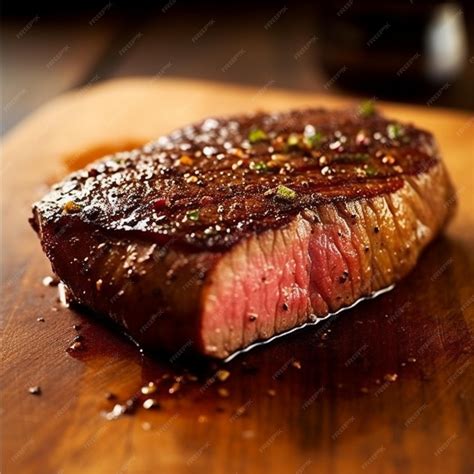
For proteins, visual checks are paramount. The color transformation is your primary indicator. Raw red meat will transition to a rich brown, while poultry will change from a pinkish hue to opaque white. Juices are another key. When meat or poultry is fully cooked, the juices should run clear, not pink or bloody. A common chef’s trick is the “finger test” for steak firmness, though internal temperature is always the most reliable for safety.
- Red Meats: Look for a browned exterior and the desired internal pinkness (or lack thereof) according to your preference. Juices should be clear.
- Poultry: Ensure all pinkness is gone, especially near the bone. Juices should be completely clear.
- Fish: Cooked fish will flake easily with a fork and turn opaque throughout.
Visual Cues for Baked Goods
Baking is a science, and visuals are key to success. A golden-brown crust is a universal sign of doneness for most breads, cakes, and cookies. For cakes and quick breads, the “toothpick test” is classic: insert a clean toothpick into the center; if it comes out clean or with a few moist crumbs, it’s done. Another indicator is the cake slightly pulling away from the sides of the pan or springing back when lightly touched in the center.
- Cakes & Muffins: Golden-brown top, springs back when lightly pressed, toothpick comes out clean.
- Cookies: Edges are set and slightly browned, centers may still look soft but will firm up as they cool.
- Breads: Deep golden-brown crust, hollow sound when tapped on the bottom.

Vegetables, Pasta & Sauces
Vegetables offer vibrant visual cues. Most firm vegetables like carrots or broccoli will brighten in color as they cook, becoming fork-tender but still retaining a slight crispness for ideal texture. Overcooked vegetables often lose their vibrant color and become mushy.
For pasta, the goal is typically “al dente” – firm to the bite. Visually, this means the pasta is pliable but still has a slight resistance and no visible white core when cut open. Sauces and soups thicken as they cook; look for a change in consistency, perhaps coating the back of a spoon (nappe consistency) or a reduction in volume.
- Vegetables: Bright, vibrant color; tender but not mushy.
- Pasta: Pliant but firm, no white core in the center.
- Sauces: Thickened consistency, coats a spoon, reduced volume.

Developing Your Culinary Eye
While these visual checks are powerful, remember they are best used in conjunction with other sensory clues like smell, touch, and sometimes even sound (think sizzling, bubbling). Practice makes perfect. The more you cook and pay attention to these transformations, the more intuitive your understanding of doneness will become. Trust your instincts, but always start by learning the foundational visual indicators. Soon, you’ll be consistently turning out perfectly cooked dishes without a second thought.