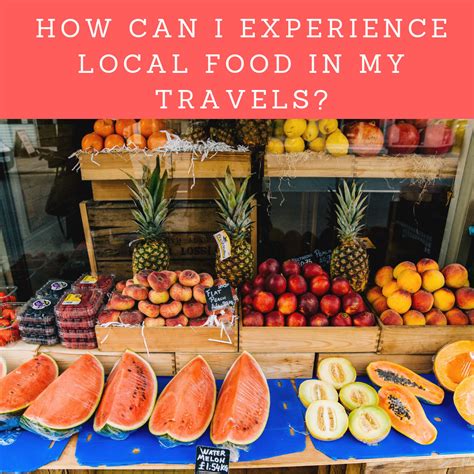
How do real foodies capture stunning visuals of street food adventures?

The Allure of Street Food Photography
Street food is more than just a meal; it’s a sensory explosion, a cultural immersion, and often, a vibrant spectacle. For the true foodie, capturing these moments is as crucial as tasting them. But how do you translate the sizzle, the aroma, and the bustling atmosphere into a stunning visual narrative? It requires a blend of photographic skill, cultural sensitivity, and a dash of adventurous spirit. This guide will walk you through the essential techniques and mindset shifts needed to elevate your street food photography from simple snapshots to evocative visual stories.
Gear Up: What’s in a Street Food Photographer’s Bag?
While a professional DSLR or mirrorless camera offers unparalleled control and image quality, don’t underestimate the power of your smartphone. Modern mobile cameras, with their advanced computational photography, are incredibly capable, discreet, and always with you. The key is knowing how to use whatever you have effectively.
Beyond the camera, a few minimal accessories can make a big difference: a portable tripod (for low light or unique angles), a lens cleaning cloth, and perhaps a small portable LED light for tricky situations. Remember, the best camera is the one you have with you, and discretion often trumps bulkiness in a busy street environment.

Mastering Light: Your Most Important Ingredient
Photography is all about light, and street food photography is no exception. Natural light is your best friend. Look for soft, diffused light, like that found on an overcast day or in the shade. The ‘golden hour’ (shortly after sunrise or before sunset) provides warm, inviting tones that are perfect for making food look appetizing.
Avoid harsh midday sun, which creates strong shadows and blown-out highlights. If direct sun is unavoidable, try to position yourself so the light is hitting the food from the side or slightly behind, which can add depth and texture. Pay attention to how the light interacts with steam, glistening sauces, and vibrant colors – these elements can turn a good photo into a great one.
Composition: Framing the Culinary Story
Composition is how you arrange elements within your frame. The ‘rule of thirds’ is a classic starting point: imagine a grid over your image and place your main subject at one of the intersections. But don’t be afraid to break rules. Experiment with different angles – overhead shots for bowls and flat dishes, eye-level for food on skewers, or close-ups to highlight texture and detail.
Look for leading lines (like the edge of a counter or a row of ingredients) to draw the viewer’s eye towards the food. Incorporate elements of the environment – a vendor’s hand, a colorful backdrop, or the blur of passersby – to add context and a sense of place. These background elements are crucial for telling the full story of your street food adventure.

Beyond the Plate: Storytelling and Authenticity
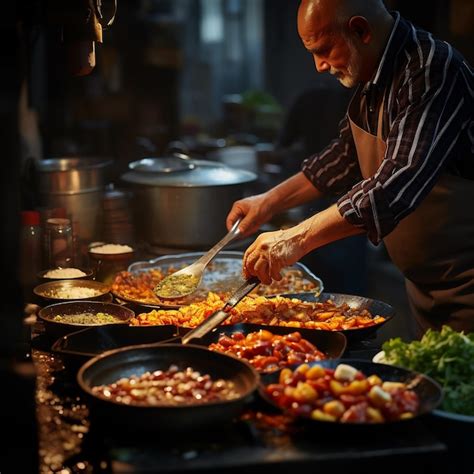
A true street food shot isn’t just about the dish; it’s about the experience. Capture the vendor meticulously preparing the food, the steam rising from a simmering pot, the interaction between seller and customer, or even the joyful expression of someone enjoying their meal. These human elements add a layer of authenticity and emotion that makes your photos more compelling.
Think about the narrative: Where does this food come from? Who makes it? How is it enjoyed? Your photos should answer these questions visually. Don’t be afraid to step back and capture the wider scene, showing the bustling market or the unique setting where the food is served. This gives your audience a better sense of immersion.
Respect and Rapport: Photographing People
Street food often involves people – vendors, chefs, and fellow diners. Always be respectful. If you’re going to photograph a vendor or their stall, it’s good practice to ask for permission first, even if just with a friendly gesture or a smile. Being polite can open doors to incredible photo opportunities and often results in a better interaction and a more authentic shot.
Be quick and unobtrusive. Street vendors are busy, and you don’t want to disrupt their flow. A genuine smile, a quick ‘thank you,’ or even purchasing from them after taking a photo can go a long way in building rapport and showing your appreciation. Remember, you are a guest in their workspace.

Post-Processing: Polishing Your Visual Feast
Even the best raw photo can benefit from a little post-processing. Basic edits like adjusting exposure, contrast, saturation, and sharpness can make your food pop. Free apps like Snapseed or Lightroom Mobile offer powerful tools directly on your phone. The goal isn’t to create an artificial image, but to enhance the natural beauty and appeal of the food, making it look as delicious on screen as it did in person.
Be mindful not to over-edit. You want the food to look authentic and inviting, not overly processed or unrealistic. A subtle boost in clarity or a slight tweak in white balance can often be all it takes to bring your photos to life.
Conclusion: Practice, Experiment, and Savor the Journey
Capturing stunning visuals of street food adventures is a continuous learning process. The best way to improve is to practice consistently, experiment with different techniques, and most importantly, enjoy the journey. Each street food stall, each bustling market, offers a unique opportunity to hone your skills and tell a compelling story through your lens. So grab your camera – or your phone – and embark on your next culinary visual quest, ready to feast your eyes and your appetite!