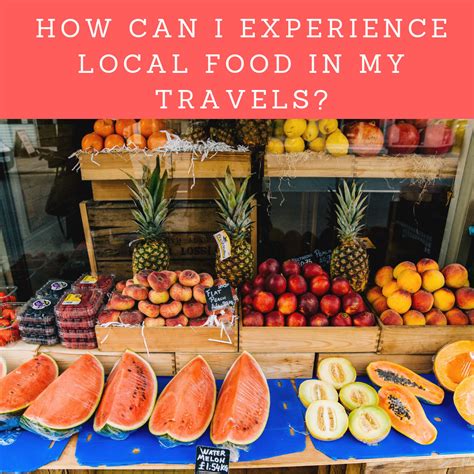
How do real foodies find and photograph authentic global street eats?
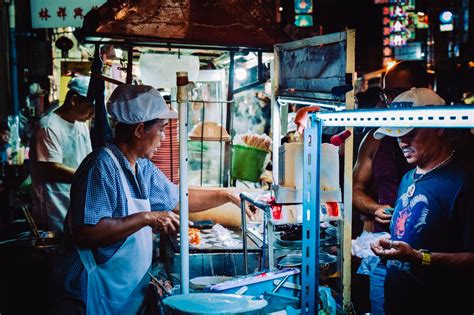
The vibrant tapestry of global street food offers an unparalleled sensory adventure, a delicious window into a culture’s heart and soul. For the dedicated foodie, seeking out these authentic culinary treasures is more than just eating; it’s a quest for connection, storytelling, and an immersive cultural experience. But how do seasoned travelers truly unearth these hidden gems, and more importantly, how do they capture their essence in a photograph that tells a compelling story?
Beyond the Tourist Trail: The Art of Discovery
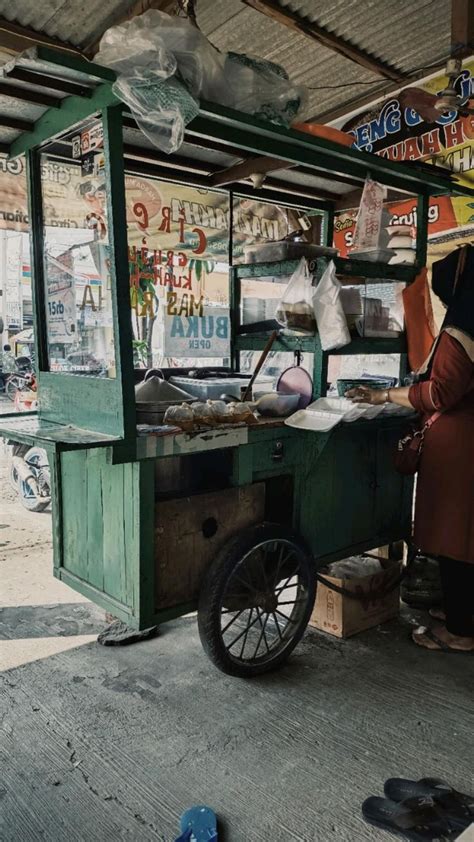
Authentic street food rarely resides in the glossy guidebooks. Real foodies understand that the path to discovery often begins by leaving the well-trodden tourist paths. Their journey starts with diligent pre-trip research, digging into local food blogs, obscure online forums, and Instagram accounts tagged by residents, not just visitors. Once on the ground, observation becomes key. Look for long queues of locals, especially at odd hours, or small, unassuming stalls bustling with activity. Engage with hotel staff, taxi drivers, or market vendors – their personal recommendations are often goldmines for truly local flavors.
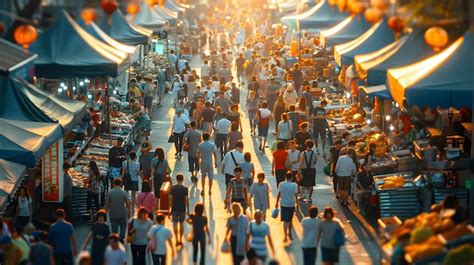
Another powerful tactic is to simply wander. Get lost in the backstreets, explore neighborhood markets early in the morning, and follow your nose to intriguing aromas. These spontaneous detours often lead to the most memorable culinary encounters, far from any curated experience. The true joy lies in the unexpected find.
Connecting with Culture: More Than Just a Meal
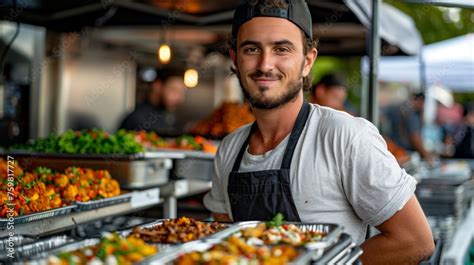
Finding a delicious stall is only half the battle; capturing its soul requires genuine connection. Approach vendors with respect and a friendly smile. A few words in the local language, even a simple “hello” or “thank you,” can open doors. Observe their craft, ask about the ingredients (if appropriate), and show genuine interest in their culinary heritage. This interaction not only enriches your experience but often makes for more candid and compelling photographs, as the vendors become more comfortable with your presence.
Remember, you are a guest in their space and culture. Always ask for permission before taking close-up shots of people, especially children, or directly into someone’s cooking area. A nod, a gesture, or a quick “May I?” (or its local equivalent) goes a long way. Building a brief rapport transforms a transactional moment into a shared human experience, which inevitably translates into more authentic and respectful imagery.
Framing the Flavor: Photography Techniques for Street Eats
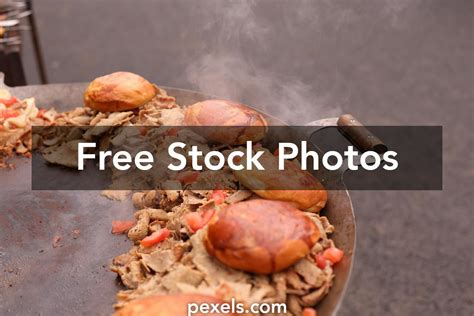
Once you’ve found your dish and secured permission, it’s time to think visually. Street food photography thrives on natural light. Position yourself to utilize soft, diffused light, ideally during the golden hours (early morning or late afternoon). Avoid harsh midday sun, which can create unflattering shadows. Focus on the details – the steam rising from a bowl, the vibrant colors of fresh ingredients, the texture of a crispy crust. Don’t be afraid to get close to capture the essence of the dish.
Composition is critical for storytelling. Use leading lines (like a counter’s edge or skewers) to draw the viewer’s eye. Experiment with different angles: overhead shots for colorful bowls, eye-level for an intimate perspective, or wider shots to capture the bustling environment. The goal isn’t just to show the food, but to evoke the feeling of being there. Look for elements that add context – the chef’s hands, unique serving ware, or the surrounding market scene.
Lightweight Gear and a Heavy Dose of Empathy
You don’t need a professional studio setup. Many foodies achieve stunning results with just a smartphone or a compact mirrorless camera. The key is portability and discretion. Heavy gear can be cumbersome and draw unwanted attention. Instead, invest in understanding your device’s capabilities and basic photography principles. A fast prime lens (e.g., 50mm f/1.8) can be excellent for creating creamy bokeh and performing well in low light, if using a dedicated camera.
Beyond gear, the most important tool is empathy. Be mindful of your surroundings and avoid disrupting the flow of business or daily life. Be quick, decisive, and respectful. After taking your shots, always thank the vendor, perhaps by purchasing another item or simply offering a sincere appreciation for their hospitality and their delicious creation. Remember, the photograph is a souvenir of an experience, not the experience itself.
Sharing the Story, Savoring the Memory
The final step for the real foodie is to share their adventure responsibly. When posting photos online, provide context. Share the story of the vendor, the history of the dish, or the cultural significance of the meal. This not only educates your audience but also honors the people and traditions behind the food. Avoid revealing exact, tiny, hidden spots if it could lead to overcrowding or negatively impact a local business. Instead, give general areas or emphasize the spirit of discovery.
Ultimately, the quest for authentic global street eats, and the art of photographing them, is a journey of discovery – of flavors, cultures, and self. It’s about slowing down, engaging deeply, and capturing moments that transcend a mere meal, transforming them into lasting memories and shared stories that inspire others to embark on their own delicious adventures.