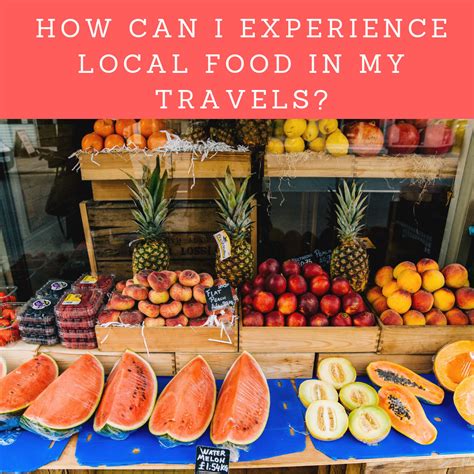
How do real foodies find and visually capture hidden local food gems?

For the true foodie, the culinary journey extends far beyond Michelin-starred restaurants and trendy cafes. It’s about the thrill of discovery, the satisfaction of finding that unassuming spot tucked away on a side street, serving up dishes bursting with authentic local flavor. But how do these culinary adventurers unearth such hidden treasures, and more importantly, how do they visually capture their essence to share with a global audience?
The Quest Begins: Unearthing Culinary Treasures
Finding a hidden local food gem isn’t about blind luck; it’s a blend of strategic research, local insight, and an adventurous spirit. Real foodies develop a sixth sense for authenticity.
Beyond the Tourist Traps: Deep Dive Research
Before even stepping foot in a new city, the hunt begins online. This isn’t just a Google search for ‘best restaurants.’ It involves delving into local blogs, niche food forums, expat communities, and even less-trafficked social media groups. They look for recommendations from locals, discussions about specific dishes, or mentions of hole-in-the-wall eateries that might not have a professional online presence. Maps become their canvas, marking areas known for markets, street food, or residential neighborhoods away from the main tourist drag.
Reading between the lines of reviews is crucial. A genuine local spot often boasts reviews emphasizing authenticity, value, and a unique atmosphere rather than just lavish decor or fine dining.
The Power of Local Intelligence
Once on the ground, the most invaluable resource is the local populace. Real foodies aren’t afraid to strike up conversations. They ask taxi drivers, shopkeepers, market vendors, and even other diners for their personal favorites. The key is to ask open-ended questions like, “Where do *you* go for the best [local dish]?” or “What’s your go-to spot for an authentic meal?” These conversations often lead to places that would never appear in a guidebook.
Visiting local markets is another goldmine. Not only do markets offer a sensory overload of local ingredients, but the food stalls within them are often incubators for future hidden gems, serving traditional dishes to a local clientele.
Wandering with Purpose: Serendipitous Discoveries
Sometimes, the best finds are accidental. Real foodies allocate time for aimless wandering, particularly in non-touristy neighborhoods. They follow their noses to enticing aromas, observe queues of locals outside unassuming eateries, and pay attention to humble facades that might hide culinary masterpieces. The absence of an English menu can often be a promising sign!
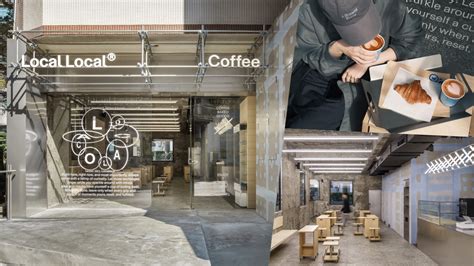
Visual Storytelling: Capturing the Essence
Finding the gem is only half the battle; capturing its true spirit visually is an art form. It’s about more than just snapping a picture of a plate; it’s about conveying the entire experience.
Mastering the Light: Your Best Friend
Natural light is paramount. Food photographers often seek window seats or outdoor tables to utilize soft, diffused natural light, which makes food look vibrant and appealing. Harsh overhead lighting or a camera flash can flatten colors and create unflattering shadows. When natural light isn’t ideal, using a small, portable LED light can make a difference, but subtlety is key.
Composition: Framing the Feast
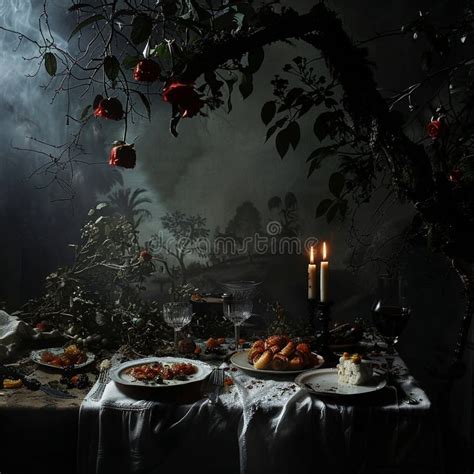
A great food photo tells a story. Experiment with angles: overhead shots (flat lay) are great for showcasing multiple dishes or intricate plating; eye-level shots highlight height and texture; and close-ups emphasize detail and ingredients. Incorporate elements that add context – a rustic tablecloth, a local drink, a hand reaching for a piece of bread – to create a sense of place and moment. The ‘rule of thirds’ is a basic guideline, but sometimes breaking it for a strong central composition works wonders.
Highlighting Authenticity: More Than Just Food
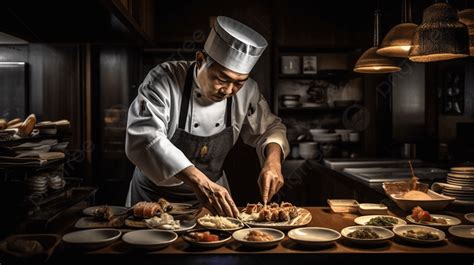
Real foodies capture the entire narrative. This includes the ambiance of the eatery – the bustling kitchen, the worn tables, the interesting wall art. It also involves people: the chef meticulously preparing a dish, the vendor smiling at their stall, or locals enjoying their meal. These human elements add depth and a sense of genuine connection to the cultural experience, making the food porn even more compelling.
Ethical Photography: Respecting the Culture
Always be mindful and respectful. Before photographing people, especially in more conservative cultures, politely ask for permission. Be discreet in smaller establishments, avoiding flash or disruptive equipment that might disturb other diners or the staff. The goal is to capture, not to intrude. A quick chat and a genuine smile can often open doors to more authentic photographic opportunities.

Conclusion
The journey of a true foodie is a thrilling blend of investigative prowess and artistic expression. It’s about the relentless pursuit of authentic flavors hidden from the mainstream, coupled with the skillful art of capturing those experiences in a way that transports the viewer. By combining smart exploration techniques with thoughtful, respectful visual storytelling, real foodies not only savor incredible meals but also inspire others to embark on their own delicious adventures, one hidden gem at a time.