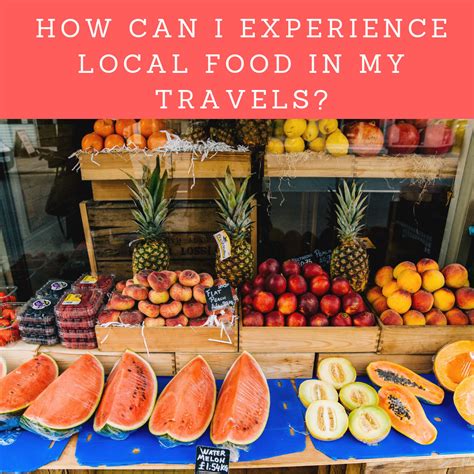
How do real foodies find authentic local eats for top visual feeds?

Beyond the Tourist Traps: The Art of Culinary Detection
In an age dominated by picture-perfect feeds and curated travel guides, the pursuit of truly authentic local food has become a badge of honor for dedicated foodies. It’s a quest that goes beyond trending hashtags and glossy magazine spreads, seeking out the hidden gems where tradition thrives and flavors tell a story. For those aiming to fill their visual feeds with genuine experiences, the first step is to learn how to expertly distinguish between a local favorite and a tourist-centric facade.
True authenticity often lurks in unassuming corners, away from the main thoroughfares. A tell-tale sign is often the clientele: if the majority of diners are locals, speaking the native tongue, and the menu reflects regional specialties rather than internationalized comfort food, you’re likely on the right track. Observing queues, especially during peak meal times, can also point you towards beloved eateries that consistently deliver quality and flavor.

Leveraging Digital and Local Intelligence for Authentic Finds
While avoiding overt tourist traps is crucial, savvy foodies also know how to harness both digital tools and local wisdom to pinpoint culinary treasures. Forget generic “best restaurants” lists; dive deeper into local food blogs, niche online forums, and community groups specific to your destination. Look for recommendations that delve into specific dishes, family histories, or unique preparation methods, rather than just ambiance or general popularity.
Instagram and other visual platforms can still be valuable, but the trick is to use hyper-local hashtags. Instead of #ParisFood, try #ParisBistroTraditionnel or #RueDeLeBourgogneEats to unearth smaller, more specific establishments. Once you have a shortlist, cross-reference with non-English reviews on Google Maps or Yelp, which often offer more candid insights from the local perspective. Crucially, don’t underestimate the power of direct human interaction. Engage with hotel staff, market vendors, local shopkeepers, or even taxi drivers. Their recommendations, often rooted in personal experience and community pride, are goldmines for truly authentic dining.

The Power of Observation and Immersion in Culinary Exploration
Beyond active research, a significant part of a foodie’s success lies in passive observation and a willingness to immerse themselves in the local culinary rhythm. Pay attention to the subtle cues around you. What are people eating at certain times of day? Where do street food vendors congregate, and which ones have the longest lines of locals? The aroma drifting from an open kitchen, the specific ingredients displayed in a market, or even the style of packaging on a takeaway item can all reveal deeper insights into the local food culture.
Don’t be afraid to wander off the beaten path and explore bustling markets, residential neighborhoods, or industrial areas where workers grab their lunch. These environments often host the most unpretentious and delicious food. Embracing street food is also essential; it’s often the purest expression of local cuisine, offering immediate flavors and a direct connection to the community’s culinary heritage. Look for stalls that specialize in one or two dishes, indicating mastery and dedication.
Crafting the Visual Narrative: More Than Just a Pretty Plate
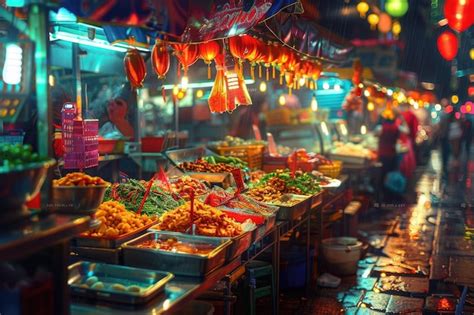
For the ‘visual feed’ aspect, it’s not just about finding great food, but presenting it compellingly. Authentic local eats often have a rustic charm that differs from fine dining aesthetics. Embrace this. Focus on natural lighting whenever possible; window seats or outdoor tables are your best friends. Experiment with angles, close-ups of texture, and wider shots that capture the dish in its environment—the bustling street, the cozy restaurant interior, or the hands of the chef preparing it.
Storytelling is key. Your photos should convey not just what you ate, but the experience. Include elements that add context: a local beverage, traditional cutlery, the chef or server, or even the vibrant colors of the ingredients before cooking. Capture the process if you can, illustrating the artistry behind a handmade noodle dish or the sizzling spectacle of street-side grilling. A well-composed shot that tells a story will always outperform a generic, perfectly centered food shot lacking soul.
The Ethical Foodie: Respect, Support, and Reciprocity
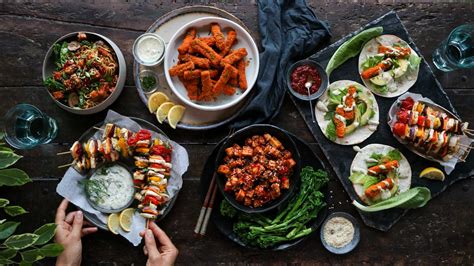
As you embark on your culinary adventures, remember the importance of being an ethical and respectful foodie. The businesses you discover are often family-run, serving generations of local patrons. Support them genuinely. This means being patient, respecting local customs (like waiting your turn, understanding language barriers, or specific dining etiquettes), and always asking permission before photographing people or sensitive areas, especially in smaller, more intimate establishments.
Additionally, share your discoveries responsibly. While the goal is a top visual feed, be mindful of how your content might impact the local spot. Celebrate the authenticity, encourage others to visit respectfully, and credit the establishments properly. Your journey as a foodie is a two-way street: you gain incredible experiences and flavors, and in return, you offer support and positive exposure to the local culinary scene, ensuring these authentic gems continue to thrive for future explorers.
Conclusion: The Rewarding Hunt for Culinary Gold
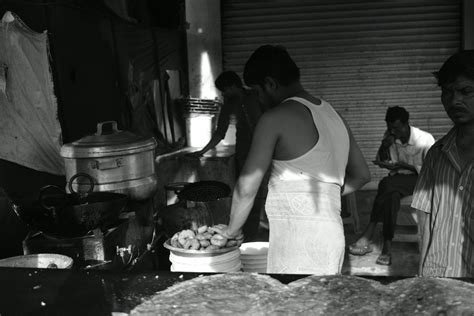
The pursuit of authentic local eats for a top visual feed is a delightful blend of detective work, cultural immersion, and creative expression. It demands curiosity, an open mind, and a keen eye for both flavor and aesthetics. By moving beyond conventional guides, engaging with locals, trusting your observations, and framing your discoveries with respectful visual storytelling, you’ll not only uncover unforgettable dishes but also create a truly compelling and genuine narrative that resonates far beyond a fleeting scroll. Happy hunting!