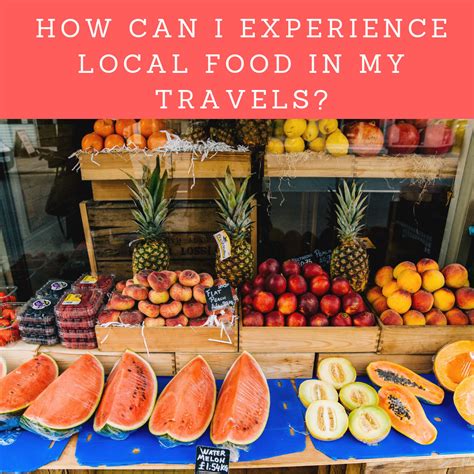
How do real foodies find & visually capture authentic local eats?

Beyond the Tourist Trail: Unearthing Local Gems
For the true food enthusiast, a trip isn’t complete without diving deep into the local culinary scene. But how do you navigate past the tourist traps and find those hidden gems where locals truly dine? It’s an art form, a blend of meticulous research, open-minded exploration, and a willingness to step outside your comfort zone.
The Art of Pre-Trip Research
Before even packing your bags, the real foodie is already on a digital treasure hunt. This isn’t about Googling “best restaurants in X city.” Instead, it involves delving into local food blogs, forums, and Instagram accounts (often in the local language, using translation tools). Look for discussions about neighborhood eateries, specific dishes, and places that might not even have a website. Consulting travel guides written by locals, rather than international publications, can also yield authentic results. Focus on areas outside the main commercial districts.
Engaging with Locals
Once you arrive, the most invaluable resource is the local population itself. Strike up conversations with shopkeepers, taxi drivers, hotel staff (away from the concierge desk), or even fellow patrons at a coffee shop. Ask them where they eat, not where they’d recommend for tourists. Be specific: “Where do you go for the best {local dish}?” or “What’s your favorite hole-in-the-wall place for a quick bite?” Their answers often lead to the most authentic and memorable meals.

Mastering the Visual Narrative: Food Photography for Authenticity
Finding the food is only half the adventure; capturing its essence visually is the other. Real foodies don’t just snap a picture; they tell a story. This means understanding light, composition, and the context of the meal.
Natural Light is Your Best Friend
The golden rule of food photography, especially for authentic local eats, is to use natural light. Artificial overhead lighting or a camera flash can flatten dishes and distort colors. Position your dish near a window or outdoors, letting the soft, diffused light enhance its textures and hues. Avoid direct sunlight, which can create harsh shadows. Experiment with different angles – a shot from above can highlight an entire spread, while a close-up at eye level can emphasize detail and texture.
Composition: Storytelling on a Plate
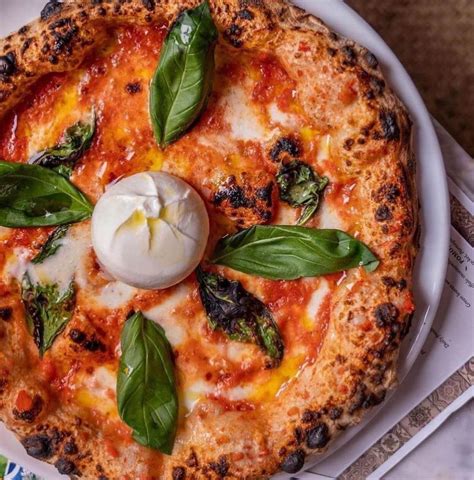
Think beyond just the food. What elements can you include to tell the story of the place and the experience? This could be the rustic table setting, the vibrant street scene behind a vendor, the steam rising from a hot dish, or even the hands preparing the food. Use the rule of thirds, leading lines, and negative space to create a visually appealing and engaging photograph. Capture the imperfections, the worn edges, the bustling environment – these are often what make an authentic experience so charming.
Respectful Exploration and Ethical Capture
Authenticity goes hand-in-hand with respect. When exploring local food scenes, especially in culturally sensitive areas, it’s crucial to be mindful and ethical in your approach to both discovery and photography.
Blending In, Not Standing Out
Dress appropriately, learn a few basic phrases in the local language, and observe local customs. Avoid being overly loud or demanding. When taking photos, be discreet. Ask for permission if you’re photographing people, especially vendors or chefs. A polite gesture or a simple “May I?” can go a long way. If you’re dining in a small, crowded establishment, be quick and unobtrusive with your camera so as not to disturb other diners.
Capturing Moments, Not Just Meals
Sometimes the most authentic shot isn’t just of the plated food, but of the entire atmosphere. Capture the chef’s intense focus, the vibrant chaos of a market, or the genuine smiles of fellow diners. These elements add depth and a human touch to your visual story. Remember that the goal is to convey the feeling and experience, not just catalogue your plate.

The Tools of the Trade (and Mindset)
While professional gear can certainly help, authentic food photography isn’t solely about expensive cameras. Often, the best tool is the one you have with you, coupled with a keen eye and a patient spirit.
Equipment Beyond the DSLR
Many stunning food shots are taken with smartphones. Modern phone cameras offer incredible quality and are discreet, making them perfect for capturing candid moments in bustling environments. Learn your camera’s settings – aperture, ISO, and shutter speed on a DSLR, or simply focus and exposure lock on a phone. Consider a small, portable tripod for stability in low light, but often, just a steady hand is enough.
Patience and Observation
Great shots rarely happen instantly. Wait for the right moment: the perfect steam rising, the fresh garnish being added, or the ray of light hitting the dish just so. Observe how the locals interact with their food and surroundings. Sometimes, stepping back and watching for a few minutes can reveal the perfect angle or the most compelling narrative for your photograph.
Sharing Your Culinary Discoveries
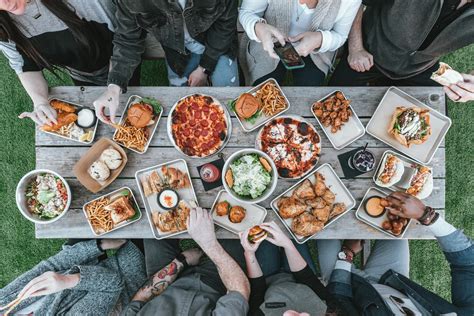
Once you’ve found and photographed these incredible local eats, sharing them becomes part of the foodie’s journey. Use platforms like Instagram, food blogs, or dedicated review sites to share your authentic finds. Provide context: explain where the dish is from, why it’s special, and what made the experience unique. This not only inspires other foodies but also supports the local businesses you’ve enjoyed.
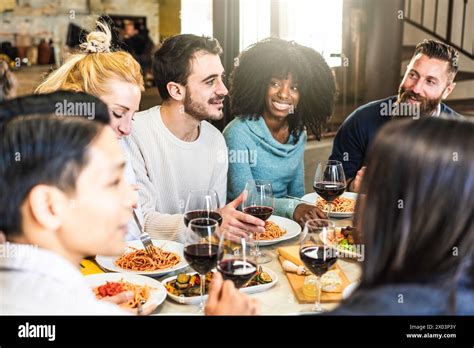
Ultimately, finding and visually capturing authentic local eats is about more than just food; it’s about cultural immersion, storytelling, and connecting with a place through its most fundamental expressions. It requires curiosity, respect, and a passion for genuine flavors, allowing you to bring home not just memories, but a rich visual narrative of your culinary adventures.