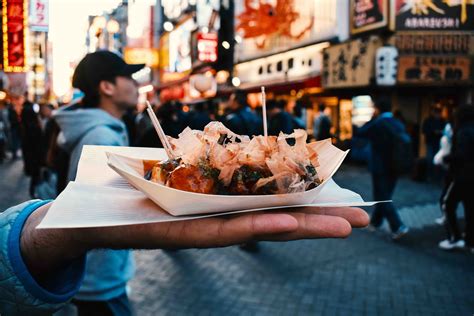
How do real foodies find & visually document authentic local eats?

For the true gastronome, a journey is often defined by the flavors discovered and the stories told through food. But how do seasoned foodies consistently bypass tourist traps and unearth the genuine culinary heart of a destination? And once found, how do they capture its essence in a way that truly transports others?
Beyond the Guidebook: Unearthing Local Gems
Real foodies understand that authenticity isn’t found on the main thoroughfare. Their quest begins with a deep dive into local culture. This often involves extensive research before a trip, poring over local blogs, obscure forums, and even academic papers discussing regional cuisine. They prioritize word-of-mouth recommendations, not from fellow travelers, but from actual residents – taxi drivers, market vendors, hotel staff, or even local social media groups. The dirtier the tablecloth, the better the sign, often indicates a place focused on flavor over façade.
Another crucial strategy is to observe local patterns. Where do people eat breakfast on a Tuesday? Which stalls have the longest lines during lunch rush? What time do the elders gather for their afternoon snack? Following these cues leads to establishments deeply woven into the fabric of daily life, where traditions are upheld and recipes have been perfected over generations. These aren’t just restaurants; they’re cultural institutions.
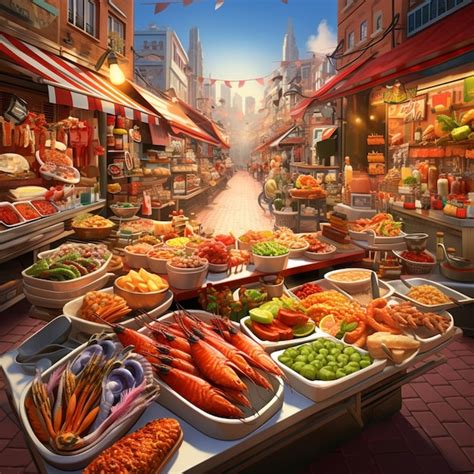
Engaging with the Culinary Landscape
Finding authentic food isn’t just about location; it’s about engagement. Real foodies don’t just eat; they interact. They ask questions about ingredients, cooking methods, and the history of a dish. They embrace discomfort, understanding that some of the most profound culinary experiences happen in unassuming settings, often lacking in amenities but overflowing with character and flavor. Language barriers are opportunities, not obstacles, to connect with chefs and vendors through gestures and shared smiles.
They also make a conscious effort to eat what the locals eat, when they eat it. This might mean embracing unusual hours, trying unfamiliar textures, or venturing into neighborhoods far from tourist zones. It’s about respecting the local palate and culinary rhythm, allowing the destination’s food culture to wash over them completely.
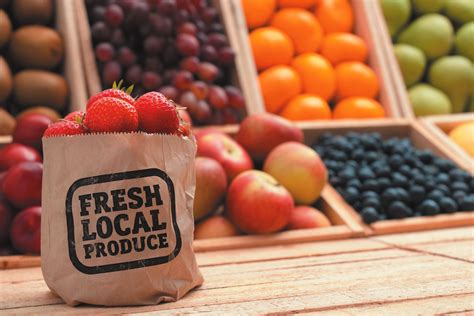
Capturing the Story: Beyond the Perfect Shot
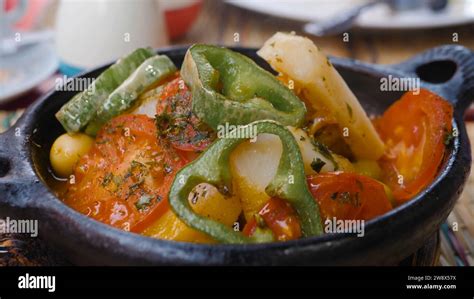
Once the authentic meal is found, the next challenge is to document it in a way that conveys its true essence. For real foodies, food photography isn’t just about making the dish look appealing; it’s about telling a story. This means capturing not only the final plate but also the environment, the hands that prepared it, the steam rising, the ingredients laid out, and the faces of those enjoying it.
They focus on natural light, often scouting locations for optimal conditions or waiting patiently for the right moment. Composition is key, using leading lines, rule of thirds, and negative space to draw the viewer’s eye. But most importantly, they prioritize authenticity in their visual narrative, avoiding overly staged shots in favor of genuine, candid moments that reflect the true dining experience.
From Plate to Pixel: Crafting Engaging Narratives
While professional cameras are often part of a foodie’s arsenal, many embrace the power and convenience of smartphone photography. The key lies in understanding light, angle, and editing. Foodies often carry small, portable diffusers or reflectors to manipulate light on the go. They experiment with overhead shots, eye-level perspectives, and detail shots to showcase different aspects of the dish and its surroundings.
Post-processing is handled judiciously, aiming to enhance rather than alter. Minor adjustments to exposure, contrast, and white balance can bring out the vibrancy of a dish without making it look artificial. The goal is to preserve the integrity of the food and the moment. Beyond static images, short video clips capturing the sizzle, the pour, or the lively ambiance are increasingly used to add another layer of sensory immersion for their audience.
Sharing the Gastronomic Journey
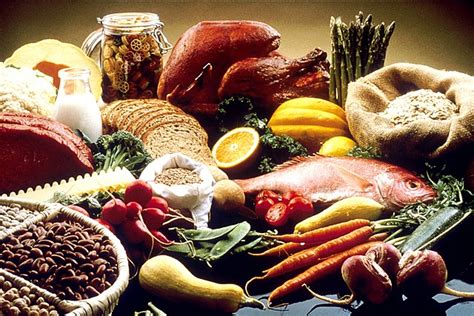
The journey of a true foodie is a continuous loop of discovery and sharing. Finding and documenting authentic local eats is more than just a hobby; it’s a commitment to culinary exploration, cultural appreciation, and visual storytelling. By blending meticulous research, genuine engagement, and thoughtful photography, these gastronomic adventurers not only savor the world’s hidden flavors but also inspire others to embark on their own delicious expeditions, one honest bite and compelling image at a time.