How do real foodies get vibrant colors & perfect texture in roasted veg?

Roasted vegetables are a culinary cornerstone, capable of transforming humble produce into show-stopping sides or hearty mains. Yet, there’s a world of difference between limp, bland oven-baked veggies and the vibrant, tender-crisp masterpieces graced with deep caramelization that ‘real foodies’ consistently achieve. What’s their secret? It boils down to understanding a few key principles and executing them with precision.
The Quest for Roasting Perfection
Many home cooks struggle with roasted vegetables that are either too soggy, too charred, or lack that enticing depth of color and flavor. The goal isn’t just to cook the vegetables, but to coax out their natural sugars, create a delightful Maillard reaction (the browning that develops complex flavors), and achieve a texture that’s tender on the inside with just the right amount of crispness on the outside. This level of perfection is entirely attainable with the right approach.

Start with the Right Foundation: Prep is Key
Dryness is Your Friend
Moisture is the enemy of crispness. Before roasting, always wash and thoroughly dry your vegetables. Pat them down with a clean kitchen towel or paper towels until they are as dry as possible. Any residual water will steam the vegetables instead of allowing them to roast, resulting in a soft, rather than crisp, exterior.
Uniformity in Cutting
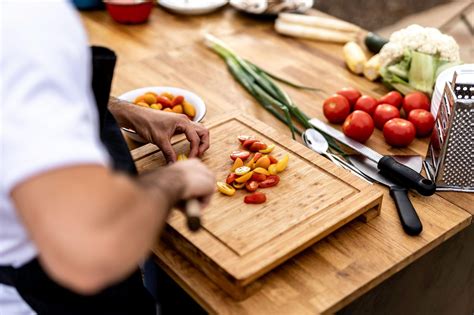
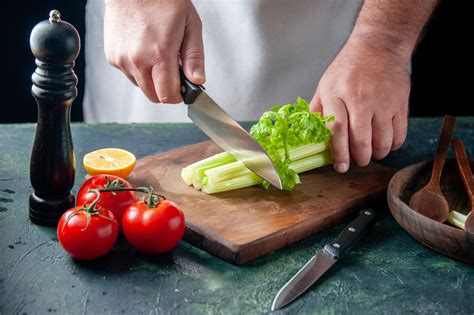
For even cooking, cut your vegetables into pieces of roughly the same size. This ensures that everything finishes cooking around the same time. If you have a mix of fast-cooking (e.g., asparagus) and slow-cooking (e.g., potatoes) vegetables, consider roasting them separately or adding the faster-cooking ones later.
The Power of Proper Oiling
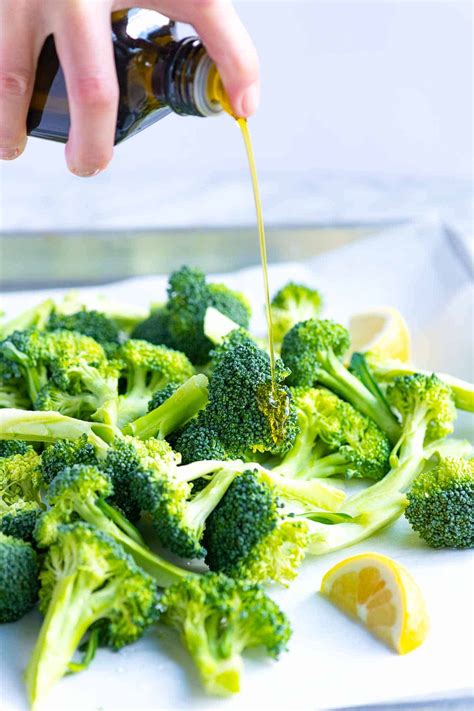
A good quality oil with a high smoke point is crucial. Olive oil, avocado oil, or grapeseed oil work wonderfully. Don’t drown your vegetables, but ensure every piece is lightly and evenly coated. This promotes even browning and prevents sticking. Toss the vegetables with oil directly on the baking sheet or in a large bowl, making sure no piece is left un-oiled.
High Heat, No Crowd: The Golden Rules
Blast with High Heat
For true roasting and caramelization, you need high heat. Most vegetables do best between 400°F (200°C) and 450°F (230°C). Don’t be afraid of these temperatures; they are what create the coveted crispy edges and tender interiors. Preheat your oven and the empty baking sheet for at least 10-15 minutes before adding the vegetables. This immediate contact with a hot surface gives them a head start on browning.
Give Them Space
This is perhaps the most critical tip for perfect texture. If your baking sheet is overcrowded, the vegetables will steam instead of roast. They’ll release their moisture, which will then get trapped, leading to soggy results. Use multiple baking sheets if necessary, ensuring vegetables are spread in a single layer with plenty of space around each piece. Air circulation is key for evaporation and browning.
Seasoning, Flipping, and Knowing When to Stop
Strategic Seasoning
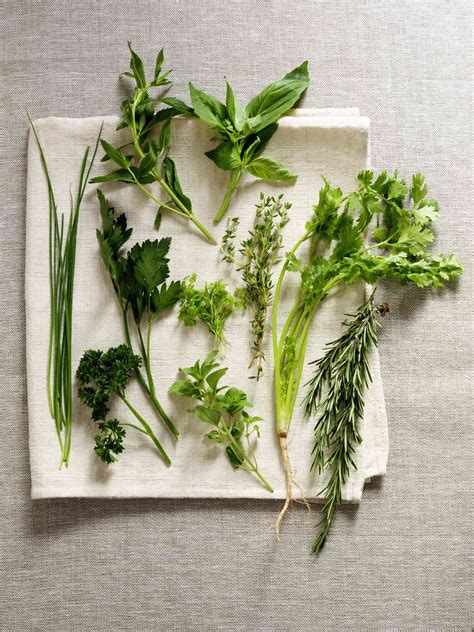
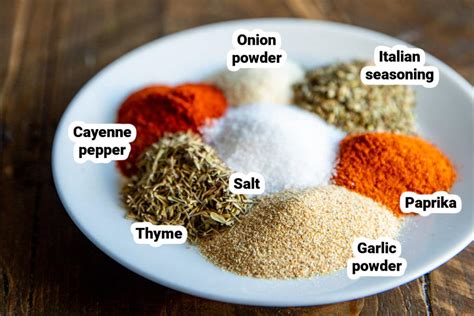
Salt your vegetables generously just before roasting. Salt not only enhances flavor but also helps draw out a bit of moisture, further aiding in browning. Freshly ground black pepper, garlic powder, onion powder, paprika, or herbs like rosemary and thyme are excellent additions. Consider adding fresh delicate herbs (like parsley or chives) after roasting to preserve their vibrant color and flavor.
Mindful Manipulation
Avoid tossing or flipping your vegetables too often. Let them sit undisturbed for at least 15-20 minutes to develop a good crust. Then, use a sturdy spatula to flip them once or twice during the cooking process to ensure even browning on multiple sides. Too much handling cools the pan and disrupts the browning process.
The Doneness Detector
Knowing when your vegetables are perfectly roasted comes with practice. Look for deeply caramelized edges, vibrant colors, and a tender-crisp texture. A fork should easily pierce the thickest part of the vegetable, but there should still be some resistance. Don’t overcook them to the point of mushiness; pull them from the oven while they still have some structural integrity.
Common Pitfalls to Avoid
- Low Oven Temperature: Results in steaming, not roasting.
- Wet Vegetables: Inhibits browning and promotes sogginess.
- Overcrowding the Pan: Leads to steaming and uneven cooking.
- Insufficient Oil: Prevents proper conduction and browning.
- Under-seasoning: Leaves vegetables tasting flat.
- Overcooking: Leads to soft, limp, and unappealing textures.
Conclusion
Achieving vibrant colors and perfect texture in roasted vegetables isn’t magic; it’s a science backed by simple, repeatable techniques. By focusing on proper preparation, utilizing high heat, ensuring adequate spacing, and seasoning judiciously, you can consistently elevate your roasted vegetables from an afterthought to the star of your meal. Embrace these ‘foodie’ secrets, and watch your ordinary veggies transform into extraordinary culinary delights.