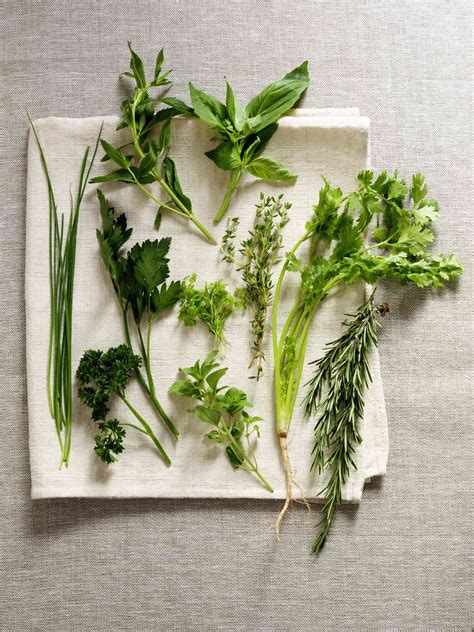





How do real foodies keep delicate fresh herbs vibrant for days after buying?

The Art of Prolonging Freshness
There’s nothing quite like the vibrant aroma and burst of flavor that fresh herbs bring to a dish. From a sprinkle of parsley over roasted vegetables to a handful of basil in a Caprese salad, they elevate culinary creations from good to gourmet. However, the delicate nature of most fresh herbs means they often wilt and lose their potency just days after purchase, turning a vibrant green into a sad, soggy mess. But fear not, aspiring home chefs! Real foodies have mastered the art of herb preservation, employing simple yet effective techniques that keep those precious sprigs lively for much longer.

The Classic “Bouquet” Method: For Most Soft Herbs
This method is a go-to for many soft-stemmed herbs like parsley, cilantro, dill, and even basil (with a slight variation). Treat your herbs like a bouquet of flowers:
- Trim the Stems: Just like flowers, snip about half an inch off the bottom of the stems. This opens up the capillaries to absorb water.
- Water Bath: Place the trimmed herbs stem-down in a glass or jar with about an inch of fresh, cool water.
- Cover and Chill: For parsley, cilantro, and dill, loosely cover the herbs with a plastic bag (or the produce bag they came in) and place them in the refrigerator. Change the water every 1-2 days.
- Basil Exception: Basil is sensitive to cold. It’s best kept at room temperature, away from direct sunlight, uncovered. Don’t refrigerate basil unless you plan to use it immediately, as it tends to blacken.
This technique can keep most soft herbs fresh for up to a week, sometimes even longer.
Damp Paper Towel Roll-Up: Ideal for Leafy Herbs
This method works wonders for herbs that prefer a bit more enclosure and consistent moisture, such as chives, mint, and even robust herbs like rosemary and thyme if you don’t have space for the water glass method.
- Wash and Dry Thoroughly: Gently wash your herbs and then dry them meticulously. Excess moisture encourages rot, while too little leads to wilting. A salad spinner is excellent for this, or pat them dry with paper towels.
- Damp Paper Towel: Lay out a slightly damp (not soaking wet) paper towel.
- Roll Them Up: Arrange your herbs in a single layer on the paper towel, then gently roll them up.
- Seal and Refrigerate: Place the rolled-up herbs into a plastic zip-top bag or an airtight container. Store in the crisper drawer of your refrigerator.
This technique can extend the life of many herbs for up to two weeks.

Beyond Fresh: Freezing for Future Flavor
When you have an abundance of herbs or want to preserve them for several months, freezing is an excellent option. This works especially well for basil, parsley, cilantro, chives, and dill.
1. Ice Cube Tray Method (for soft herbs):
- Chop the herbs finely.
- Pack them into ice cube trays.
- Pour a neutral oil (like olive oil or avocado oil) or water over the herbs, just enough to cover them.
- Freeze until solid, then pop out the cubes and transfer them to a freezer-safe bag.
- When cooking, simply drop a cube into soups, stews, sauces, or sautéed dishes.
2. Flash Freezing (for hardier herbs):
- For herbs like rosemary, thyme, or even whole basil leaves, spread them in a single layer on a baking sheet.
- Freeze for a couple of hours until solid.
- Transfer to a freezer-safe bag or container. This prevents them from clumping together.

Pro Tips for Specific Herbs
- Basil: As mentioned, avoid the fridge. The bouquet method at room temperature is best. If it starts to wilt, a quick dip in ice water can sometimes revive it.
- Cilantro & Parsley: Both thrive with the bouquet method in the fridge. Ensure water is changed regularly.
- Rosemary & Thyme: These hardier herbs do well with the damp paper towel method in the fridge. You can also store them loosely wrapped in a paper towel in a sealed bag. They can also be air-dried for long-term storage, though they lose some vibrancy.
- Mint: Similar to cilantro, the bouquet method in the fridge works well.
The Golden Rule: Start with Fresh, Handle with Care
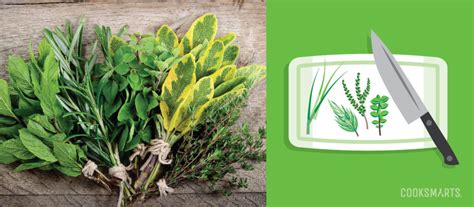
No matter the method you choose, the key to extending the life of your fresh herbs begins at the point of purchase. Look for vibrant, unblemished leaves and strong, crisp stems. Avoid any bunches that show signs of wilting, discoloration, or sliminess. Once home, clean them gently if needed, and always dry them thoroughly before storing, especially if using a sealed container method. With these savvy strategies, your kitchen will always be stocked with the aromatic greens needed to transform everyday meals into extraordinary culinary experiences.