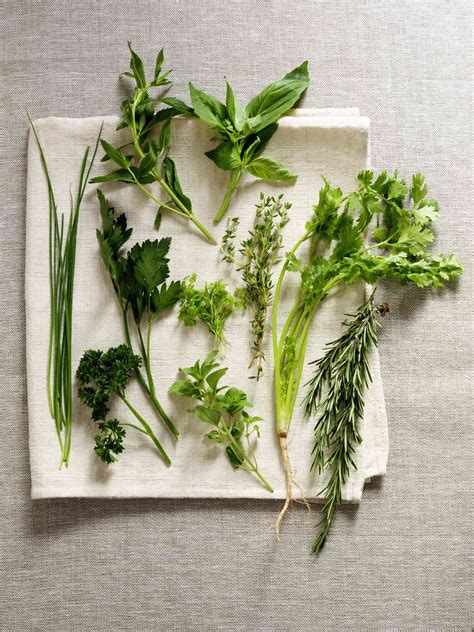
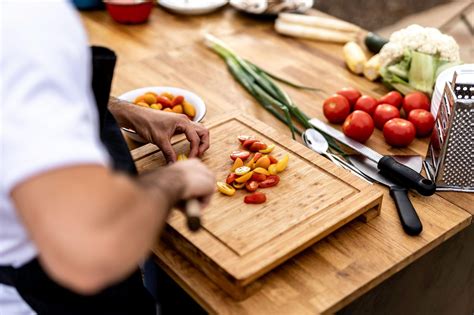
How do real foodies keep delicate fresh herbs vibrant for week-long flavor boosts?
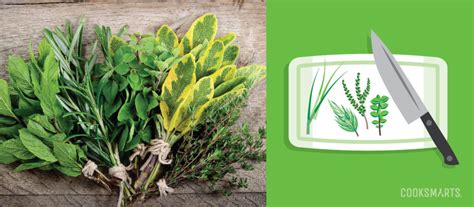
Fresh herbs are the unsung heroes of the culinary world, capable of transforming a simple dish into a gourmet experience with their vibrant flavors and intoxicating aromas. Yet, their delicate nature often leads to disappointment, as they wilt and spoil just days after purchase. For true foodies, however, a week of fresh, potent herbs isn’t a pipe dream—it’s standard practice. The secret lies in understanding the unique needs of different herb types and applying a few simple, yet effective, preservation techniques.
The Culinary Heartbeat of Fresh Herbs
Imagine a vibrant pesto, a zesty chimichurri, or a fragrant garnish that elevates a hearty stew. These culinary delights hinge on the freshness and potency of herbs. When herbs are fresh, their essential oils are at their peak, delivering a powerful punch of flavor and aroma. Once they start to wilt or brown, much of that magic is lost, leaving behind only a pale imitation.
The challenge with fresh herbs stems from their high water content and delicate cellular structure, making them susceptible to dehydration and rot. The goal of any successful preservation method is to balance moisture, control temperature, and minimize exposure to air.
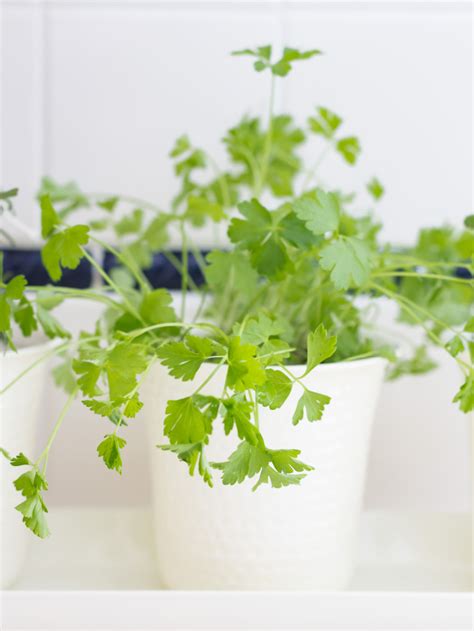
The Fundamentals of Herb Preservation
Before diving into specific techniques, a few universal principles apply to almost all fresh herbs:
- Handle Gently: Bruised leaves decay faster. Treat your herbs with care, minimizing crushing or tearing until ready to use.
- Keep Dry (Initially): For most herbs, moisture on the leaves encourages rot. Avoid washing herbs until just before you’re ready to cook with them, unless the storage method specifically calls for it.
- Control Temperature: The refrigerator is generally your friend, slowing down metabolic processes that lead to spoilage. However, some herbs have different temperature preferences.
Tailored Techniques for Tender Herbs
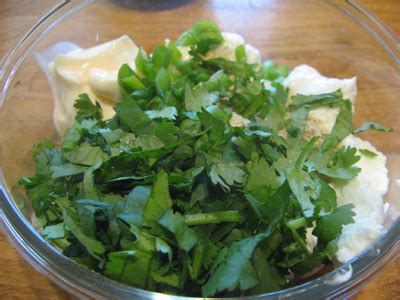
Tender, leafy herbs like parsley, cilantro, dill, mint, and tarragon thrive with a method that mimics a bouquet of flowers:
- Trim Stems: Snip about an inch off the bottom of the stems, much like you would with cut flowers.
- Water Bath: Place the trimmed stems into a glass jar or cup with about an inch of fresh water at the bottom.
- Cover & Refrigerate: Loosely cover the top of the herbs and the jar with a plastic bag (a produce bag works perfectly), creating a mini-greenhouse effect. Place the entire setup in the refrigerator. Change the water every day or two.
This method allows the herbs to continue drawing water, keeping their leaves plump and vibrant for up to two weeks.
Mastering Hardy Herb Storage
Hardier, woodier herbs such as rosemary, thyme, oregano, and sage have lower water content and benefit from a slightly different approach:
- Wash & Dry Thoroughly: If herbs are dirty, gently rinse them under cool water. The critical step here is to dry them completely. Use a salad spinner or gently pat them dry with paper towels until there is no visible moisture. Any excess water will lead to mold.
- Paper Towel Wrap: Lay the dry herbs on a slightly damp (not wet!) paper towel. Roll them up gently. For rosemary and thyme, a dry paper towel works best as they are less prone to wilting.
- Sealed Container: Place the wrapped herbs into an airtight container or a resealable plastic bag. Store in the refrigerator.
This method prevents moisture loss while also protecting the herbs from excess humidity, keeping them fresh for one to two weeks.

The Basil Exception: A Warm Embrace
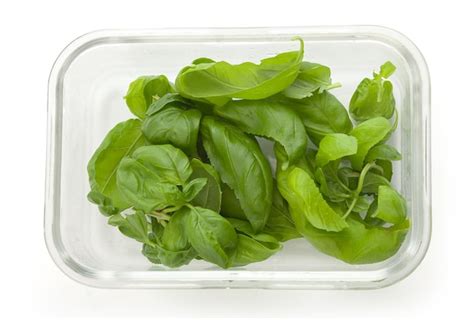
Basil is the prima donna of the herb world, sensitive to cold temperatures that can cause its leaves to blacken. It requires a unique strategy:
- Trim Stems & Water Bath: Similar to tender herbs, trim the stems and place them in a glass with about an inch of water.
- Room Temperature: Crucially, leave the basil on your kitchen counter at room temperature, away from direct sunlight. Do not put it in the refrigerator.
- No Bag: Unlike other tender herbs, basil generally doesn’t need to be covered with a plastic bag, as this can trap too much humidity and encourage mold.
With this method, basil can stay green and fragrant for about a week.
Reviving Wilting Wonders & Common Pitfalls
If your herbs look a little sad but aren’t yet brown or slimy, there’s hope! A quick ice bath can often revive limp leaves. Submerge them in a bowl of ice water for 15-30 minutes, then pat them dry. They’ll perk right up!
Common mistakes to avoid:
- Over-washing: Washing herbs too far in advance and not drying them properly is a primary cause of spoilage.
- Over-crowding: Stuffing too many herbs into a container can prevent proper air circulation and encourage rot.
- Wrong Temperature: Storing basil in the fridge or hardy herbs in too much humidity will shorten their lifespan.
- Leaving in Original Packaging: Store-bought plastic clamshells or bags are often designed for transport, not long-term preservation. Transferring herbs to proper storage is key.
Elevate Your Kitchen Game
Mastering the art of herb preservation is a game-changer for any home cook. It reduces food waste, saves money, and most importantly, ensures that you always have fresh, vibrant flavors at your fingertips. By understanding the nuances of different herb types and applying these simple foodie-approved techniques, you’ll enjoy week-long flavor boosts that elevate every meal from ordinary to extraordinary. So, trim, wrap, and store—your taste buds will thank you!