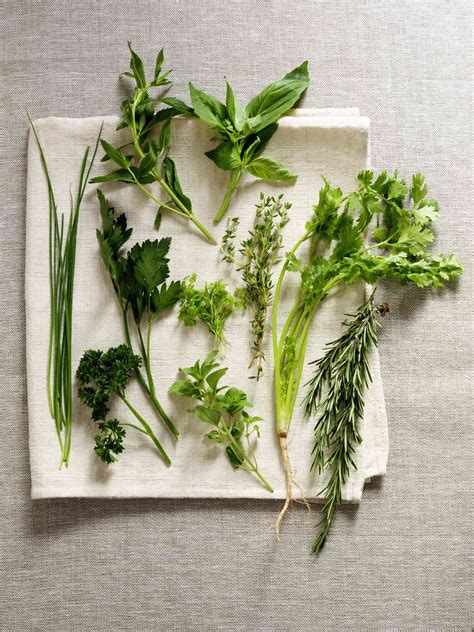
How do real foodies keep delicate herbs like basil fresh longer, visually appealing?

The Delicate Dance of Preserving Fresh Herbs
There’s nothing quite like the aromatic punch of fresh basil, the bright burst of cilantro, or the earthy whisper of parsley to elevate a dish from good to unforgettable. Yet, these culinary gems are notoriously fleeting, often wilting into a sad, discolored mess within days of purchase. For real foodies, wasting fresh herbs is almost a cardinal sin. The secret to keeping delicate herbs vibrant and visually appealing lies in understanding their specific needs and employing a few clever, time-tested techniques.
The challenge with delicate herbs like basil isn’t just about flavor; it’s about maintaining their aesthetic appeal. Browned edges, limp leaves, and a general lack of luster can detract from the visual presentation of any dish. Let’s delve into the methods that go beyond simply tossing them into the fridge, ensuring your herbs remain picture-perfect and ready for their moment in the culinary spotlight.

The Water Method: A Bouquet for Your Basil
This is perhaps the most widely recommended and effective method for basil, mint, and cilantro. Treat your herbs like a fresh bouquet of flowers. Trim the very ends of the stems, much like you would cut flower stems, removing any leaves that would fall below the waterline. Place the stems in a glass or jar with about an inch of fresh water. You can then cover the entire setup loosely with a plastic bag (a produce bag works wonderfully) to create a humid microclimate, preventing dehydration.
Store this “herb bouquet” at room temperature, away from direct sunlight, for basil. Other delicate herbs like cilantro and parsley can go into the refrigerator using this same method. Change the water every day or two to prevent bacterial growth. Basil, in particular, dislikes cold temperatures, which can cause its leaves to blacken, so room temperature storage is key for its vibrant green hue.
The Paper Towel & Bag Method: Refrigerator Friendly
For most other delicate herbs that tolerate or even prefer colder temperatures (such as parsley, cilantro, dill, and tarragon), the paper towel and plastic bag method is a winner. Gently wash and thoroughly dry your herbs using a salad spinner or by patting them carefully with paper towels. Excess moisture is the enemy of fresh herbs, leading to rot.
Once dry, lay the herbs flat on a slightly damp paper towel. Roll them up gently, creating a snug bundle. Place this bundle into a resealable plastic bag or an airtight container. The slightly damp towel provides humidity without waterlogging, and the bag/container prevents air circulation that would dry them out. Store this in the crisper drawer of your refrigerator. This method can keep herbs fresh for up to two weeks, maintaining their vibrant color and crisp texture.

Beyond Fresh: Freezing for Future Flavor
When you have an abundance of herbs or want to preserve their flavor for longer periods, freezing is an excellent option. While the texture might soften slightly upon thawing, the flavor remains remarkably intact, making them perfect for cooked dishes, sauces, and soups.
Herb Ice Cubes
Chop your herbs finely (basil works great here) and pack them into ice cube trays. Cover them with a neutral oil like olive oil or a little water, then freeze. Once solid, pop the herb cubes out and store them in an airtight freezer bag. When you need a burst of flavor, simply drop a cube into your cooking. The oil also helps preserve the vibrant green color.
Blanched & Frozen
For herbs like basil or parsley, a quick blanch can help preserve their color and flavor even better. Briefly dip them in boiling water, then immediately plunge into ice water. Squeeze out excess moisture, chop, and then freeze flat on a baking sheet before transferring to a freezer bag.

Tips for Maximizing Visual Appeal & Longevity
- Start Fresh: Always begin with the freshest herbs you can find. Look for vibrant color, firm leaves, and a strong aroma. Avoid any with yellowing leaves or wilting stems.
- Handle Gently: Delicate herbs bruise easily. Handle them with care, and avoid crushing or tearing leaves until just before use.
- Trim & Inspect: Before storing, trim any bruised, discolored, or damaged leaves. This not only improves their appearance but also prevents spoilage from spreading.
- Avoid Washing Until Ready (Mostly): While some methods involve washing, for general storage, many foodies prefer to wash herbs right before use. This minimizes moisture exposure during storage, reducing the risk of mold. If you must wash them beforehand, ensure they are thoroughly dried.
- Label & Date: Especially when freezing, label your containers or bags with the herb type and the date of storage.

The Foodie’s Commitment to Culinary Excellence
Mastering the art of herb preservation is a hallmark of a true foodie. It’s not just about preventing waste; it’s about respecting the ingredient, ensuring that every leaf delivers its full potential in flavor, aroma, and visual allure. By implementing these simple yet effective techniques, you’ll find your delicate herbs, like that precious basil, staying fresher and more appealing for significantly longer, ready to elevate every dish you create.