How do real foodies keep fresh herbs vibrant & flavorful for longer? Visual tips needed!
The Secret to Ever-Fresh Herbs: More Than Just a Green Thumb
For any true foodie, fresh herbs are non-negotiable. They’re the soul of a dish, providing aromatic depth, a pop of color, and an inimitable zest that dried alternatives simply can’t match. But the fleeting life of a fresh bunch from the market can be heartbreaking. Wilted basil, browned cilantro, and lackluster parsley are common kitchen woes. Fear not, fellow flavor enthusiasts! With a few simple, yet effective, techniques, you can significantly extend the vibrant life and potent flavor of your beloved herbs.
The key lies in understanding that different herbs have different needs, and a one-size-fits-all approach often leads to disappointment. We’ll dive into practical, visually-oriented methods that real foodies swear by.
First Steps: Gentle Care After the Market
Before you even think about storage, a little initial care goes a long way. As soon as you bring your herbs home, gently inspect them. Remove any visibly bruised, yellowed, or damaged leaves. This prevents spoilage from spreading. Resist the urge to wash all your herbs immediately unless you plan to use them right away. Excess moisture is often the enemy, promoting mold and rot.
If they are particularly dirty, a quick, gentle rinse under cool water is fine, but it’s crucial to dry them thoroughly afterwards. A salad spinner is your best friend here, or meticulously pat them dry with paper towels. The goal is bone-dry leaves before storage.
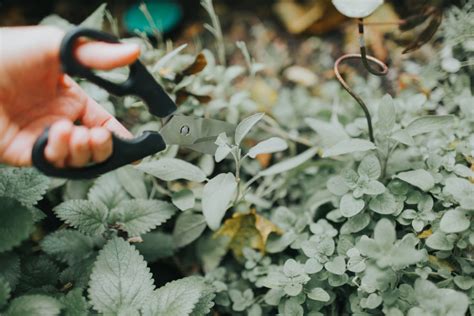
Method 1: The Bouquet – Best for Soft Herbs (Basil, Cilantro, Parsley, Mint)
This method mimics keeping a bouquet of flowers and is ideal for delicate, leafy herbs. Think of herbs like basil, cilantro, parsley, mint, dill, and tarragon.
How to Do It:
- Trim the Stems: Just like flowers, snip about an inch off the bottom of the stems.
- Water Bath: Place the trimmed herbs upright in a small glass or jar with about an inch of fresh, cool water at the bottom. Ensure only the stems are in the water, not the leaves.
- Cover & Chill: For most soft herbs (except basil), loosely cover the top with a plastic bag (a produce bag works great) to create a humid environment. Store this arrangement in the refrigerator.
- Basil’s Exception: Basil prefers warmer temperatures. Leave it uncovered on your counter, away from direct sunlight. It will wilt if refrigerated.
- Change Water: Change the water every 1-2 days to keep it fresh and prevent bacterial growth.
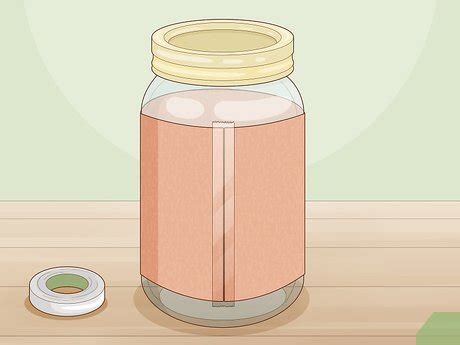
Method 2: The Paper Towel Wrap – Versatile & Space-Saving
This technique is excellent for a wider range of herbs, particularly those that are slightly hardier or when fridge space is limited. It works well for rosemary, thyme, oregano, chives, and even soft herbs if you prefer not to use the water method.
How to Do It:
- Dry Completely: This step is non-negotiable. Ensure your herbs are thoroughly dry after rinsing, as any moisture will lead to rot.
- Wrap Them Up: Lay your herbs flat on a lightly damp (not wet!) paper towel. Roll them up gently but securely into a log.
- Seal the Deal: Place the wrapped herb bundle into a resealable plastic bag or an airtight container.
- Refrigerate: Store in the crisper drawer of your refrigerator.
- Check Periodically: Inspect every few days. If the paper towel dries out, lightly re-dampen it. If it becomes too wet, replace it.
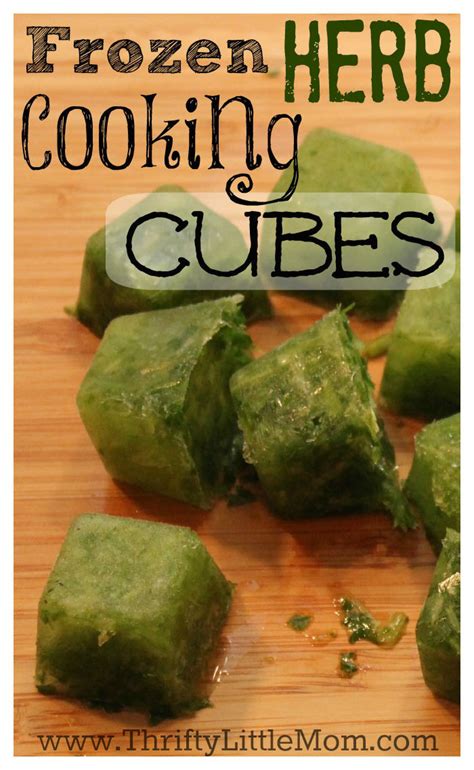
Method 3: Freezing for Long-Term Flavor (Ideal for Cooking)
While fresh is always best for garnish, freezing is an excellent way to preserve the flavor of herbs for cooking, especially those you use frequently in sauces, soups, or stews like parsley, cilantro, dill, chives, and even rosemary or thyme.
How to Do It:
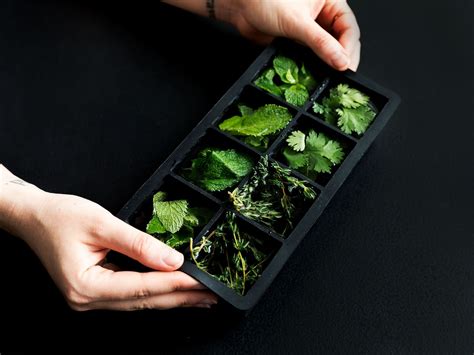
- Chop & Pack: Finely chop your clean, dry herbs. Pack them tightly into ice cube trays.
- Add Liquid: Fill the remaining space in each cube with a neutral oil (like olive oil or avocado oil), melted butter, or even water.
- Freeze Solid: Place the trays in the freezer until the cubes are completely frozen.
- Transfer & Store: Once frozen, pop the herb cubes out and transfer them to a freezer-safe bag or container. Label with the herb type and date.
When you need them, simply drop a frozen cube directly into your hot pan or simmering dish!
Common Mistakes to Avoid
- Washing and Not Drying: This is the quickest way to brown and slimy herbs.
- Storing Basil in the Fridge: It’s a heat-lover and will blacken in the cold.
- Overcrowding: Don’t pack herbs too tightly; they need a little air circulation.
- Ignoring Damaged Leaves: Always remove them to prevent further spoilage.
Elevate Your Culinary Game
By implementing these simple yet effective storage strategies, you’ll find yourself reaching for fresh herbs more often, confident that they’ll be vibrant and ready to infuse your dishes with incredible flavor. No more sad, wilted sprigs destined for the compost! Embrace these foodie-approved methods and keep your kitchen brimming with the freshest aromatics.