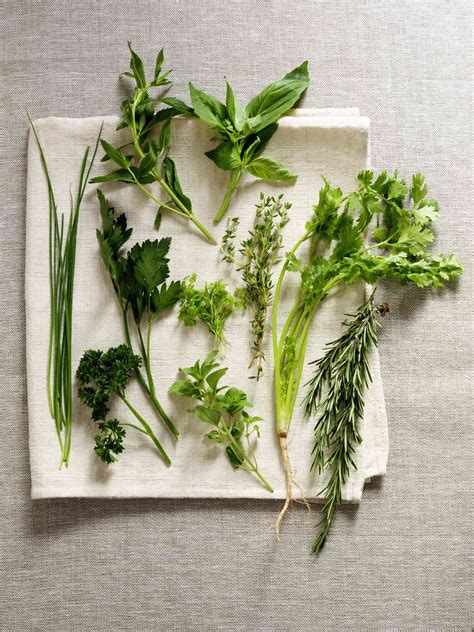
How do real foodies keep fresh herbs vibrant for garnish & flavor all week?

The Secret to Sustained Freshness: Understanding Your Herbs
There’s nothing quite like the burst of fresh flavor and vibrant color that herbs bring to a dish. But the joy can be short-lived if those beautiful sprigs wilt and brown just a day or two after purchase. For real foodies, sad, droopy herbs are a cardinal sin. The good news? Keeping herbs fresh for garnish and flavor all week is an achievable goal, and it all starts with understanding their unique needs.
Most successful herb storage methods revolve around controlling moisture and temperature, mimicking their natural environment. Forget simply tossing them back in the fridge bag; a little preparation goes a long way in preserving their aromatic potency and verdant appearance.

Method 1: The ‘Bouquet’ for Soft Herbs (Parsley, Cilantro, Basil, Mint, Dill)
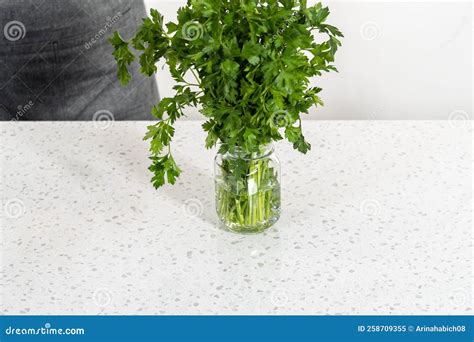
Soft herbs, characterized by their delicate leaves and tender stems, thrive when treated much like a floral bouquet. This method is incredibly effective and surprisingly simple.
Steps:
- Trim the Stems: Upon bringing them home, trim about an inch off the bottom of the stems. This opens up the capillaries, allowing them to absorb water more efficiently.
- Water Bath: Place the trimmed herbs upright in a glass or jar filled with an inch or two of fresh, cool water.
- Cover & Refrigerate (Most Soft Herbs): For parsley, cilantro, and dill, loosely cover the top of the herbs with a plastic bag (the produce bag often works fine). This creates a humid environment. Place the entire setup in the refrigerator.
- Room Temperature (Basil Exception): Basil, unlike most soft herbs, hates the cold. Store it on your countertop, away from direct sunlight, using the same water bath method, but without the plastic bag.
- Change Water: Refresh the water every day or two to prevent bacterial growth.
This method keeps soft herbs hydrated and happy, often extending their freshness for well over a week.
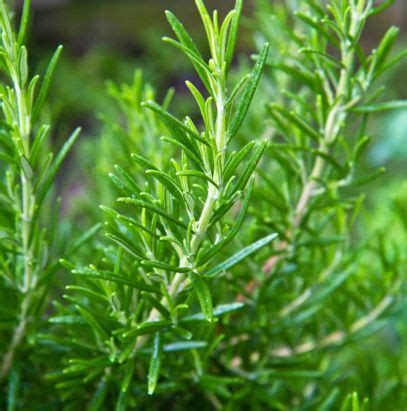
Method 2: The ‘Paper Towel Roll’ for Hard Herbs (Rosemary, Thyme, Oregano, Sage)
Hard herbs, with their woody stems and tougher leaves, prefer a slightly different approach. They don’t need to stand in water, but rather benefit from controlled moisture that prevents both drying out and excess dampness leading to mold.
Steps:
- Wash & Dry Thoroughly: Gently wash your hard herbs under cool water. The most crucial step here is to dry them completely. A salad spinner works wonders, or you can lay them out on paper towels to air dry for an hour. Any residual moisture can cause them to spoil quickly.
- Wrap in Damp Paper Towel: Once dry, lightly dampen a few sheets of paper towel (not soaking wet, just moist). Lay the herbs flat on the damp paper towel.
- Roll & Bag: Roll the herbs snugly in the damp paper towel, then place the entire roll into a sealable plastic bag or an airtight container.
- Refrigerate: Store the sealed package in the crisper drawer of your refrigerator.
This technique provides a consistent, slightly humid environment that keeps hard herbs firm and aromatic for two weeks or more.
Method 3: Blanch & Freeze for Long-Term Storage
Sometimes you have an abundance of herbs, or you simply want to preserve them for months. Freezing is an excellent option for maintaining flavor, though the texture may change, making them best suited for cooked dishes rather than fresh garnishes.
Steps:
- Wash & Blanch: Wash your herbs thoroughly. For robust herbs like parsley, cilantro, or basil, a quick blanch (dipping in boiling water for 10-15 seconds, then immediately into an ice bath) can help preserve their color and flavor. Dry them completely afterwards.
- Chop & Portion: Finely chop your herbs or leave them whole, depending on your future use.
- Ice Cube Tray Method: Pack the chopped herbs into ice cube trays. Pour a neutral oil (like olive oil) or water over the herbs, just enough to cover them. This prevents freezer burn.
- Freeze & Store: Freeze until solid. Once frozen, pop out the herb cubes and transfer them to a freezer-safe bag or container. Label with the herb type and date.
These frozen herb cubes are perfect for adding flavor directly to soups, stews, sauces, or roasts, offering a taste of freshness long after the season has passed.

General Tips for Herb Longevity
- Pre-Wash Only When Necessary: Avoid washing herbs until just before you’re ready to store them. Excess moisture from washing can promote spoilage. When you do wash them, ensure they are thoroughly dry.
- Avoid Ethylene Gas: Keep herbs away from fruits and vegetables that emit ethylene gas (like apples, bananas, and tomatoes), as this can accelerate ripening and spoilage in sensitive herbs.
- Check Regularly: Inspect your stored herbs every couple of days. Remove any leaves that are wilting or showing signs of spoilage to prevent it from spreading.
- Labeling: Always label your containers or bags with the date of storage, especially for frozen herbs.
By adopting these simple, yet effective, storage strategies, you’ll ensure that your kitchen is always stocked with vibrant, flavorful fresh herbs, ready to elevate any dish. No more wasted bunches; just consistent, delicious results that showcase a true foodie’s dedication to quality ingredients.