How do real foodies keep fresh herbs vibrant for longer?
Elevate Your Cooking: Mastering Fresh Herb Preservation
Fresh herbs are the soul of many culinary creations, offering vibrant flavors and aromatic bouquets that transform a simple dish into something extraordinary. However, their delicate nature often leads to a short shelf life, leaving home cooks frustrated with wilted leaves and diminished potency. Real foodies, those who understand the true value of quality ingredients, have mastered techniques to extend the vitality of their herbs, ensuring every dish shines. Let’s delve into their secrets.
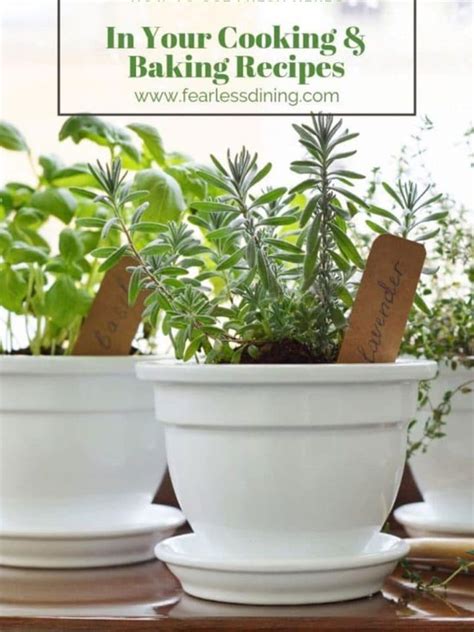
Start Strong: Initial Care for Longevity
The journey to long-lasting herbs begins the moment they enter your kitchen. Opt for herbs with bright, unblemished leaves and strong, firm stems. As soon as you bring them home, inspect them. Remove any yellowed, bruised, or damaged leaves, as these can accelerate spoilage for the entire bunch. For most herbs, a quick trim of the stem ends, similar to cutting flowers, can help them absorb water more efficiently.
The “Bouquet” Method: Hydration for Sturdy Stems
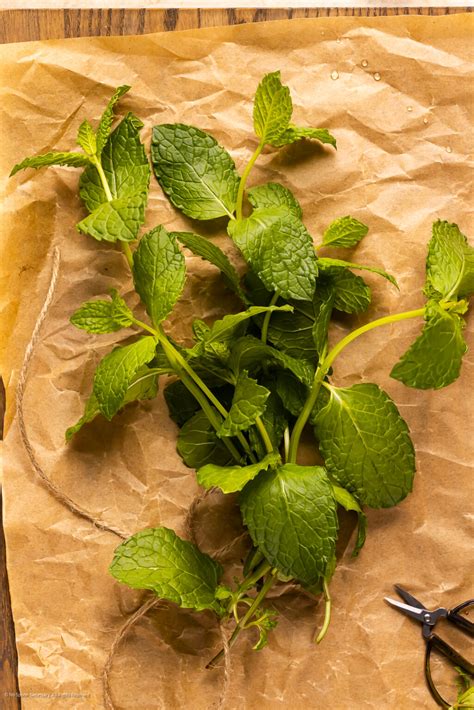
This classic technique works wonderfully for herbs with sturdier stems like parsley, cilantro, mint, and even chives. Treat them like a mini floral arrangement:
- Trim the very ends of the stems, about half an inch.
- Place the trimmed stems into a glass or jar with about an inch of fresh, cool water, ensuring only the stems are submerged.
- Loosely cover the herbs and jar with a plastic bag – a produce bag works perfectly – to create a humid environment that prevents drying out.
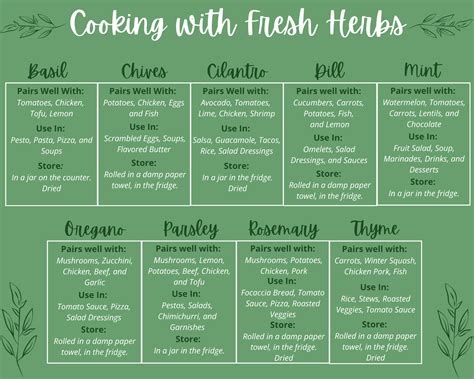
- Store parsley, cilantro, and mint in the refrigerator. Change the water every day or two to prevent bacterial growth.
This method keeps them crisp and green for up to two weeks.
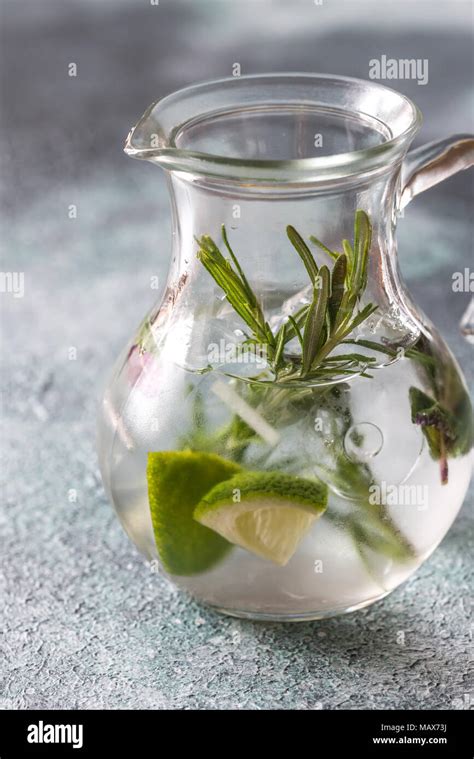
The Paper Towel Roll: Gentle Hug for Delicate Leaves
For more delicate, leafy herbs such as dill, tarragon, chives, or even tender lettuces, the damp paper towel method is a lifesaver. This approach minimizes air exposure and maintains just the right amount of moisture:
- Gently wash and thoroughly dry the herbs. Excess moisture can lead to rot. A salad spinner is ideal here.
- Lay the herbs flat on a slightly damp paper towel.
- Roll them up loosely in the paper towel.
- Place the rolled herbs into a zip-top bag, pressing out as much air as possible before sealing.
- Store in the crisper drawer of your refrigerator.
This method can keep your herbs fresh for one to two weeks, sometimes even longer.
Beyond Fresh: Freezing for Long-Term Flavor
When you have an abundance of herbs or want to preserve their flavor for months, freezing is an excellent option. This works for almost any herb, though some (like basil) might lose a bit of their vibrant color upon thawing, their flavor remains potent.
- Finely chop your herbs.
- Fill ice cube trays about two-thirds full with the chopped herbs.
- Pour a neutral oil (like olive oil or grapeseed oil) over the herbs until they are covered.
- Freeze until solid, then pop out the herb-oil cubes and transfer them to a freezer-safe bag or container.
These flavor bombs are perfect for starting soups, sauces, or sautéing vegetables without needing to chop fresh herbs.
The Unique Case of Basil: A Cold-Sensitive Companion
Basil is the exception to many herb storage rules. It despises cold temperatures, which can cause its leaves to blacken and wilt rapidly. The best way to store fresh basil is at room temperature:
- Trim the stems and place the basil in a glass of water, similar to the “bouquet” method.
- Do NOT cover it with plastic, as this can trap too much moisture and encourage rot.
- Keep it on your kitchen counter, away from direct sunlight and drafts.
Basil stored this way can last for up to a week, sometimes longer, retaining its delicate aroma and vibrant green.

Conclusion: Invest in Freshness, Enjoy Vibrant Flavors
Mastering the art of herb preservation is a hallmark of a true foodie. By understanding the specific needs of different herbs and employing these simple yet effective techniques, you can significantly extend their vibrancy and potency. No more throwing away wilted greens or compromising on flavor. With a little care, your kitchen will always be stocked with fresh, fragrant herbs, ready to elevate every dish you create.