How do real foodies keep fresh herbs vibrant for stunning plate presentations?
The Secret to Ever-Vibrant Herbs: Beyond Just Refrigeration
For true food enthusiasts, fresh herbs aren’t merely an afterthought; they’re essential for adding layers of flavor, aroma, and visual appeal to any dish. A wilted sprig of parsley or discolored basil can detract from an otherwise meticulously prepared meal. So, how do real foodies ensure their herbs remain perfectly vibrant, ready for that final, show-stopping garnish? It all comes down to understanding the nuances of herb care.
Mastering Proper Storage: The First Line of Defense
The journey to vibrant herbs begins the moment they enter your kitchen. Different herbs have different needs, and a one-size-fits-all approach often leads to disappointment.
Soft Herbs: Basil, Cilantro, Parsley, Mint, Dill
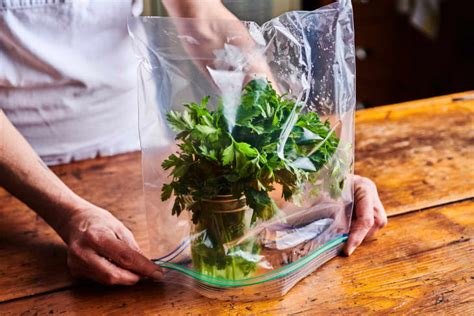
These delicate herbs thrive on hydration. Treat them like a bouquet of flowers:
- Trim the bottom of the stems.
- Place them upright in a glass of water, ensuring the stems are submerged.
- For extra longevity, cover the herbs and glass loosely with a plastic bag (or a specialized herb keeper) before placing them in the refrigerator. Basil, however, prefers room temperature to avoid blackening, unless your kitchen is excessively warm. Change the water every day or two.
Hard Herbs: Rosemary, Thyme, Oregano, Sage
These woody herbs are more resilient but still benefit from careful storage:
- Wrap them in a slightly damp paper towel.
- Place the wrapped herbs inside an airtight container or a resealable plastic bag.
- Store them in the refrigerator’s crisper drawer. The damp towel provides just enough moisture without making them soggy, and the airtight container prevents them from drying out or absorbing refrigerator odors.
Reviving Wilted Herbs: The Ice Bath Miracle
Even with the best storage practices, sometimes herbs might start to look a little sad. Fear not, for the ice bath is a foodie’s secret weapon for bringing them back to life.
This technique is particularly effective for soft, leafy herbs:
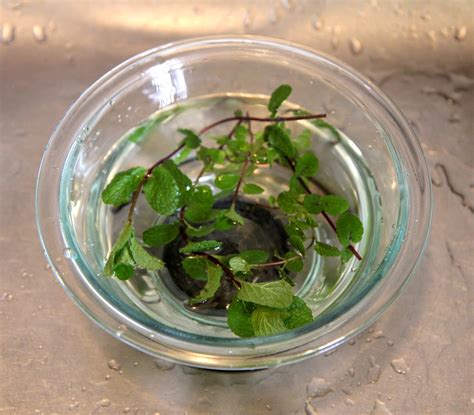
- Fill a bowl with ice water.
- Submerge your wilted herbs completely in the ice bath.
- Let them soak for 15-30 minutes. You’ll often see a remarkable transformation as the cells rehydrate and the herbs crisp up.
- Once revived, gently pat them thoroughly dry with paper towels or use a salad spinner. Excess moisture is the enemy of freshness and flavor when it comes to plating.
Pre-Plating Perfection: The Final Touches
Before any herb graces your plate, a few critical steps ensure they look and taste their best.
Washing and Drying
Always wash herbs thoroughly, even if they look clean. Use cold water and gentle handling. The drying process is paramount: use a salad spinner for efficiency, or meticulously pat them dry with paper towels. Any residual moisture will lead to wilting, clumping, and can even dilute the flavor.
Precision Chopping
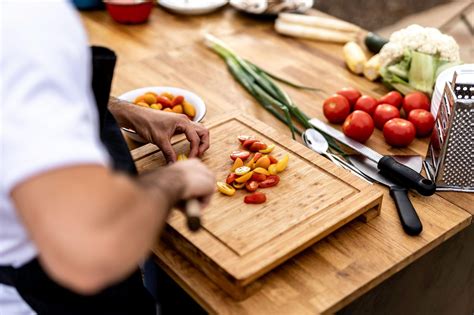
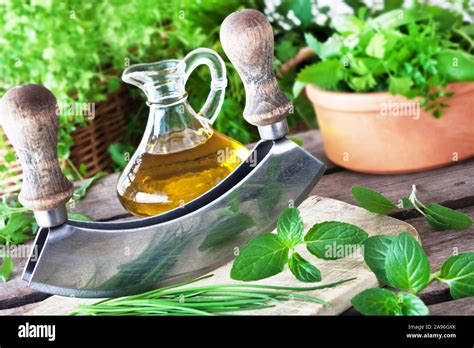
How you chop your herbs affects both presentation and flavor release. Use a very sharp knife to avoid bruising the leaves, which can lead to discoloration and a loss of volatile oils. For delicate herbs like parsley or cilantro, a chiffonade (stacking leaves, rolling tightly, and slicing thinly) creates elegant ribbons. For sturdier herbs, a fine mince works best.
The Art of Presentation: Making Herbs Shine
This is where the ‘foodie’ touch truly comes into play. Herbs are not just flavor enhancers; they are edible decor.
When to Garnish
Always add fresh herbs as the very last step before serving. Heat will quickly dull their color and diminish their fresh aroma and flavor. Sprinkle chopped herbs just before serving, or strategically place whole sprigs for maximum impact.
Strategic Placement
Think about balance and contrast. A small pile of finely chopped chives can add a vibrant green counterpoint to a creamy soup. A sprig of rosemary can stand tall and proud next to a roasted chicken. Use herbs to frame your main ingredients, add height, or create a focal point. Consider the colors and textures already on the plate and how the herbs can complement them.

Beyond the Fridge: Advanced Tips for Herb Longevity
For those times you have an abundance of herbs, or want to prep ahead, consider these techniques:
- Freezing in Oil: Chop herbs finely, pack them into ice cube trays, and cover with olive oil. Once frozen, pop out the cubes and store them in a freezer-safe bag. These are perfect for starting sautés or adding to soups and stews.
- Blanching and Freezing: For some herbs like basil, a quick blanch (30 seconds in boiling water, then an ice bath) before pureeing with a little olive oil can preserve their vibrant green color for pesto or sauces.
- Growing Your Own: Nothing beats the freshness of herbs picked straight from your garden or windowsill. This offers unparalleled control over their quality and availability.

Elevate Every Dish
Keeping fresh herbs vibrant isn’t just a chore; it’s a critical component of culinary artistry. By mastering proper storage, reviving techniques, and thoughtful presentation, you ensure that every dish you create not only tastes incredible but also looks absolutely breathtaking. Embrace these foodie secrets, and transform your everyday meals into stunning, memorable dining experiences.