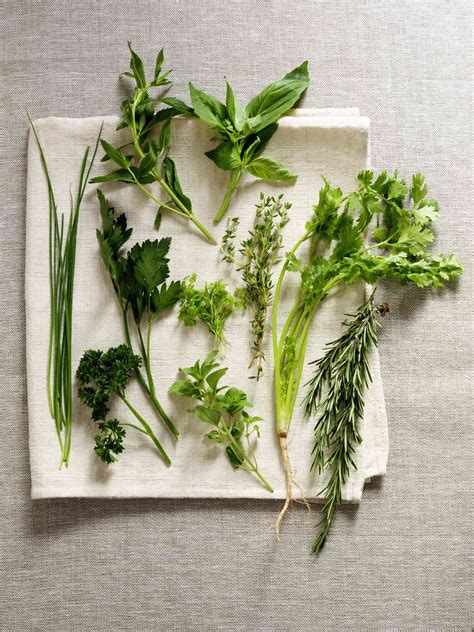
How do real foodies keep fresh herbs vibrant for weeks?
Unlock the Secret to Long-Lasting Fresh Herbs
There’s nothing quite like the burst of flavor fresh herbs bring to a dish. From the bright kick of cilantro in a taco to the aromatic depth of rosemary in a roast, these green powerhouses are essential for elevating everyday meals. Yet, for many home cooks, keeping herbs vibrant for more than a few days feels like an impossible dream. They wilt, they brown, they lose their zest, often before you’ve had a chance to use them all. But what if we told you that real foodies have perfected the art of herb preservation, extending their freshness for weeks?
It’s not magic, but a combination of understanding herb physiology and applying clever, practical storage methods. Say goodbye to wasted bundles and hello to a refrigerator consistently stocked with lively, ready-to-use herbs.
The Fundamental First Step: Cleanliness and Dryness
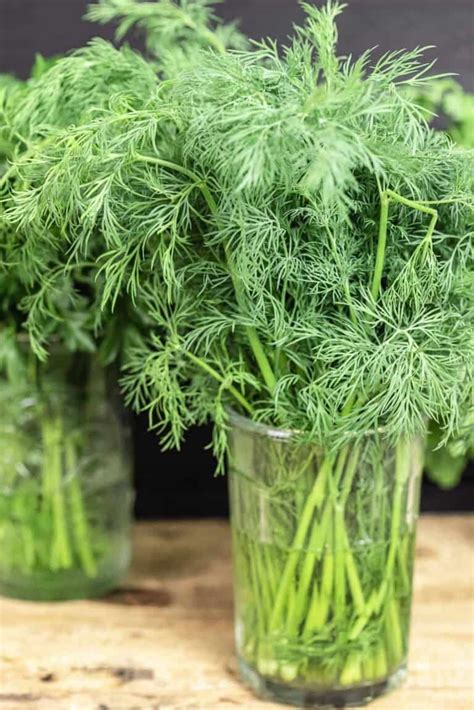
Before diving into specific storage techniques, the initial preparation of your herbs is paramount. Many herbs come from the market slightly damp or with excess moisture, which can accelerate spoilage. Upon bringing them home, gently rinse your herbs under cool water to remove any dirt or debris. The key, however, is what comes next: thorough drying.
Moisture is the enemy of fresh herbs in storage. Use a salad spinner to remove as much water as possible. For more delicate varieties, gently pat them dry with paper towels. You want them to be completely dry to the touch before proceeding to storage.
Method 1: The Bouquet – Perfect for Tender Stems
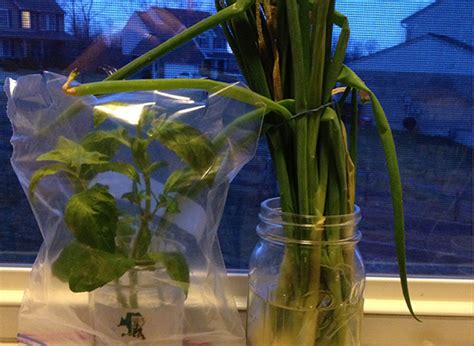
This classic method mimics how flowers are kept fresh in a vase and works wonders for tender herbs like parsley, cilantro, basil, and mint. Think of it as putting your herbs in a tiny green bouquet.
- Trim the Stems: Snip about an inch off the bottom of the stems.
- Water Bath: Place the trimmed herbs, stem-side down, into a glass or jar filled with an inch or two of fresh water, much like a bouquet of flowers.
- Cover and Refrigerate: For most herbs (parsley, cilantro, mint), loosely cover the top with a plastic bag (a produce bag works great) to create a humid environment and place in the refrigerator.
- Basil Exception: Basil prefers room temperature. Keep it on the countertop, out of direct sunlight, and uncovered.
- Change Water: Change the water every 1-2 days to keep it fresh and free of bacteria.
This method can keep herbs vibrant for 1-2 weeks, sometimes even longer.

Method 2: The Damp Paper Towel Wrap – Ideal for Hardier Varieties
Hardier herbs with woody stems, such as rosemary, thyme, oregano, and sage, thrive with a slightly different approach. This method focuses on maintaining a consistent, low-moisture environment.
- Rinse and Dry Thoroughly: As always, wash and completely dry your herbs.
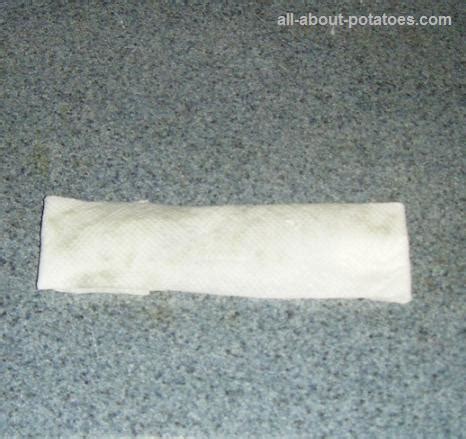
- Wrap Them Up: Lay the herbs in a single layer on a lightly damp (not wet!) paper towel. Gently roll them up.
- Seal and Store: Place the wrapped bundle inside a resealable plastic bag or an airtight container. Make sure there’s some air circulation but not too much that it dries them out.
- Refrigerate: Store the sealed container or bag in the crisper drawer of your refrigerator.
Check the paper towel every few days; if it dries out, re-dampen it. This method can keep hardy herbs fresh for 2-3 weeks.
Method 3: Freezing for Long-Term Flavor
When you have an abundance of herbs or want to preserve their peak freshness for months, freezing is an excellent choice. This method is particularly good for herbs you plan to cook with rather than use fresh as a garnish, as the texture can change upon thawing.
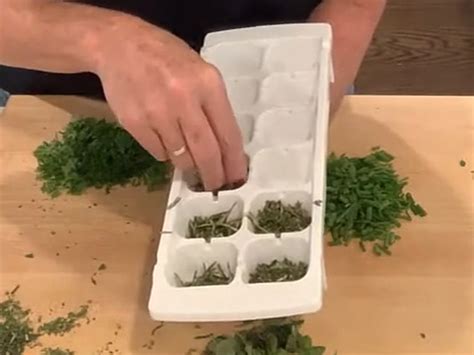
- Ice Cube Tray Method (Oil or Water): Chop your herbs finely. Pack them into ice cube trays. Cover with olive oil (for savory dishes) or water. Freeze until solid, then transfer the herb cubes to a freezer-safe bag. Pop out a cube whenever you need a burst of flavor in soups, stews, or sauces.
- Blanching and Freezing: For some herbs like parsley, blanching briefly in boiling water, shocking in ice water, then pureeing with a little olive oil before freezing can lock in color and flavor.
- Freezing Whole (Hardy Herbs): For rosemary and thyme, you can simply lay whole sprigs on a baking sheet to flash freeze, then transfer to a freezer bag.
Frozen herbs can last for 3-6 months, making them perfect for winter cooking.
Pro Tips for Maximum Herb Longevity
- Avoid Washing Until Ready: If you’re short on time, don’t wash herbs until just before you’re ready to use them or store them using one of the methods above. Excess moisture trapped in a bag is a recipe for mold.
- Know Your Herbs: Basil is a special case – it hates cold and will blacken in the fridge. Always keep basil on the counter if using the bouquet method.
- Rotate Stock: Always use the oldest herbs first to prevent waste.
- Invest in Good Containers: Airtight containers can often work better than plastic bags for the damp paper towel method, providing more robust protection.
Never Let a Good Herb Go to Waste Again
By implementing these simple yet effective techniques, you’ll join the ranks of real foodies who consistently enjoy the vibrant flavors of fresh herbs. No longer will you dread seeing your carefully purchased bundles wilt away. With a little care and the right method, your kitchen will always be ready to infuse dishes with that essential fresh, herbaceous goodness, making every meal a little more gourmet.