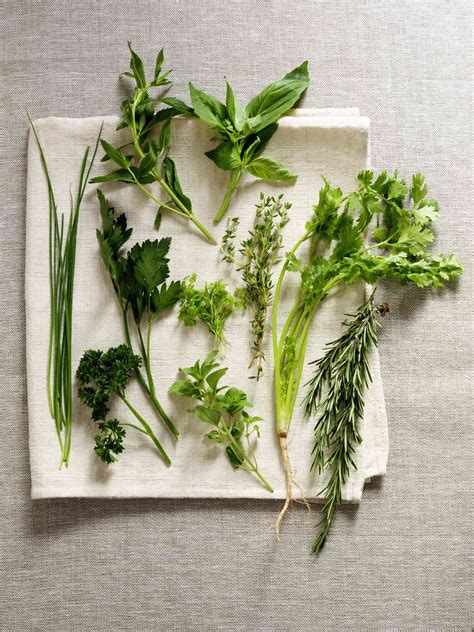
How do real foodies keep fresh herbs vibrant for weeks post-market?

Fresh herbs are the vibrant soul of many dishes, offering unparalleled aroma and flavor that dried versions simply can’t match. Yet, the heartbreak of watching a beautiful bunch of parsley or basil wilt into a sad, brown mess just days after purchase is all too familiar. For real foodies, however, this isn’t an acceptable outcome. They’ve mastered the art of herb preservation, ensuring their culinary creations are always infused with peak freshness. Let’s uncover their secrets to keeping herbs vibrant for weeks.
The Delicate Dance of Fresh Herbs
The primary enemies of fresh herbs are moisture (too much or too little), air exposure, and improper temperature. Each herb has its unique preferences, but understanding general principles is the first step towards longevity. The goal is to create an environment that mimics their natural growing conditions or puts them into a dormant state without damaging their delicate cells.
Method 1: The Paper Towel & Bag Technique (Hardy Herbs)
This method is perfect for more robust, woody-stemmed herbs like rosemary, thyme, oregano, marjoram, and sage. These herbs prefer a slightly damp, cool environment.
- Preparation: Lightly rinse the herbs if they appear dirty, then pat them absolutely dry with a clean cloth or paper towel. Excess moisture encourages mold.
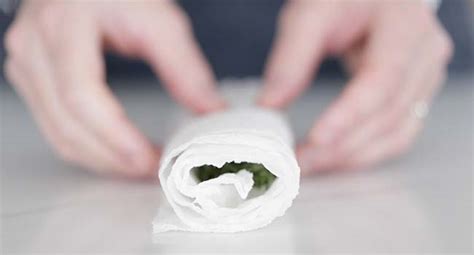
- Wrap: Dampen a paper towel (it should be moist, not dripping wet) and gently wrap the herbs in it.
- Store: Place the wrapped herbs into a resealable plastic bag or an airtight container.
- Refrigerate: Store in the crisper drawer of your refrigerator. Check them every few days, replacing the paper towel if it becomes too dry or too wet. This can keep them fresh for 2-3 weeks.
Method 2: The Bouquet Method (Tender Herbs)
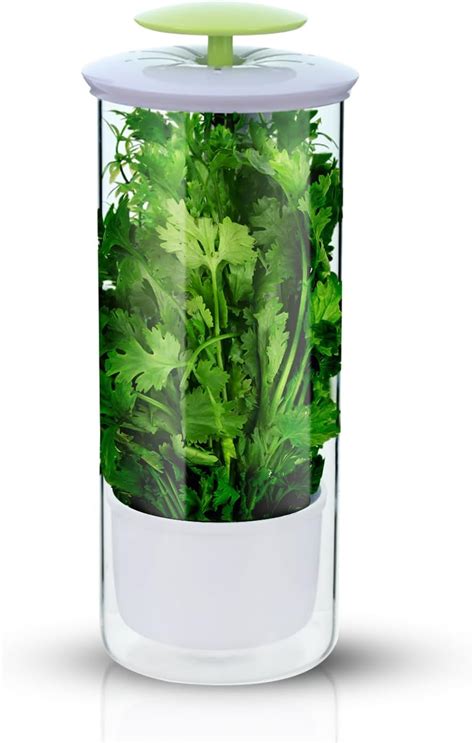
Tender, leafy herbs such as parsley, cilantro, dill, mint, and chives thrive when their stems are in water, much like a bouquet of flowers. This keeps them hydrated and prevents wilting.
- Preparation: Trim about half an inch off the bottom of the stems. Remove any leaves that would sit below the water line to prevent them from rotting.
- Water & Cover: Place the herb stems into a glass or jar with about an inch of fresh water. Loosely cover the top of the herbs with a plastic bag (you can reuse the bag they came in) or an upside-down container to create a humid microclimate.
- Refrigerate: Store the glass in the refrigerator. Change the water every 1-2 days. This method can keep these herbs fresh for 1-3 weeks.
Basil: A Special Case
Basil is the prima donna of herbs; it hates the cold. Refrigerating basil will cause its delicate leaves to blacken and wither quickly. Treat basil like a houseplant:
- Preparation: Trim the stems and place the basil bouquet in a glass of water.
- Store: Leave it on your countertop at room temperature, away from direct sunlight and cold drafts. Do not cover it with a plastic bag.
- Maintenance: Change the water daily. This method usually keeps basil fresh for about a week to ten days.
Beyond the Fridge: Freezing & Drying for Long-Term
When you have an abundance of herbs, freezing or drying offers excellent long-term storage solutions, perfect for extending the harvest season.
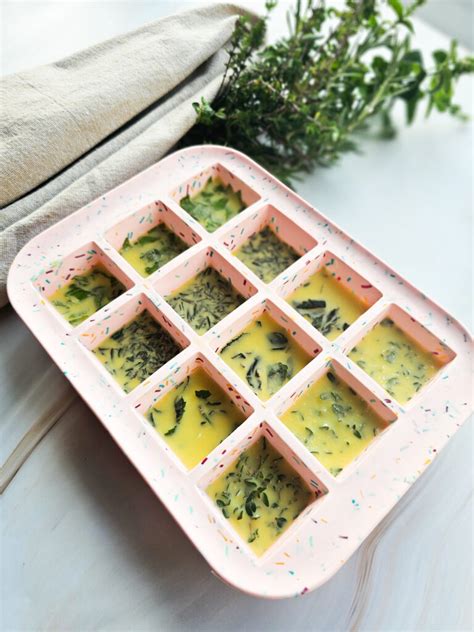
- Freezing (Oil or Water): Chop most herbs finely (excluding basil, which becomes discolored). Pack them into ice cube trays, then top with water or olive oil. Freeze until solid, then transfer the herb cubes to freezer-safe bags. These are fantastic for adding directly to soups, stews, sauces, or roasts.
- Drying: Herbs like rosemary, thyme, oregano, and bay leaves are excellent candidates for air drying. Bundle them together and hang them upside down in a warm, dry, well-ventilated area away from direct sunlight. Once completely dry and crumbly, strip the leaves from the stems and store them in airtight containers.
Key Principles for Herb Longevity
- Don’t Wash Until Use: Unless a method specifically requires it (like the paper towel wrap), avoid washing herbs until just before you’re ready to use them. Residual moisture is a breeding ground for rot.
- Regular Checks: Periodically inspect your stored herbs. Remove any leaves that are showing signs of wilting, discoloration, or mold to prevent it from spreading to the rest of the bunch.
- Quality In, Quality Out: The fresher the herbs are when you buy them, the longer they will last. Look for vibrant, firm leaves without any yellowing or black spots.
By implementing these simple yet effective strategies, you can significantly extend the life of your fresh herbs, reducing food waste and ensuring that your home cooking is always infused with the brightest, most aromatic flavors. Embrace these foodie hacks, and your kitchen will thank you.