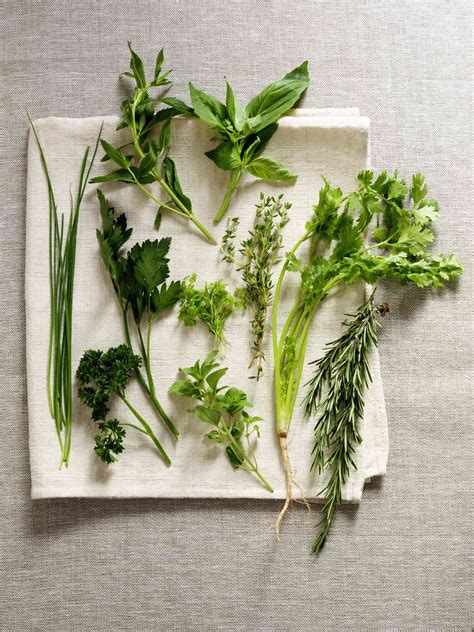
How do real foodies keep fresh herbs vibrant for weeks post-market run?
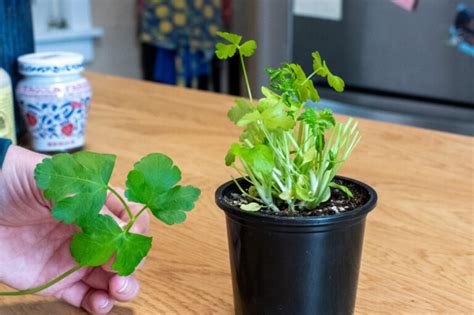
The Perennial Problem of Perishable Greens
There’s nothing quite like the burst of fresh flavor that vibrant herbs bring to a dish. From the peppery bite of arugula to the aromatic whispers of thyme, these green gems elevate culinary creations from good to gourmet. Yet, for many home cooks, the joy of a market haul quickly turns to dismay as fresh herbs wilt and turn sad within days. But what if there was a way to defy nature’s clock and keep your parsley perky and your basil brilliant for weeks? Real foodies know the secrets, and they’re simpler than you might think.
The Water Bath Method: A Drink for Delicate Stems
This classic technique is perfect for “soft” herbs like parsley, cilantro, dill, and even mint. Think of it as giving your herbs a fresh bouquet of water, much like you would cut flowers. The key is to treat them gently and provide constant hydration.
Start by trimming about an inch off the bottom of the stems. Remove any discolored or damaged leaves. Place the herbs, stem-side down, into a glass jar or container filled with about an inch of fresh, cool water. Make sure only the stems are submerged, not the leaves. For most herbs, especially cilantro and parsley, loosely cover the top with a plastic bag to create a mini-greenhouse effect, then store it in the refrigerator. Change the water every couple of days to prevent bacterial growth. Basil, however, prefers to be kept at room temperature, away from direct sunlight.

The Damp Paper Towel Roll: A Cozy Bed for Heartier Varieties
Hardier, “woody” stemmed herbs like rosemary, thyme, oregano, and chives benefit from a slightly different approach that focuses on controlled moisture. The goal here is to keep them from drying out without making them soggy.
First, gently wash your herbs and then, crucially, dry them thoroughly. Excess moisture is the enemy here. A salad spinner works wonders, or you can lay them out on paper towels to air dry. Once dry, lay the herbs in a single layer on a slightly damp paper towel. Roll them up gently, creating a snug packet. Place this packet into a resealable plastic bag or an airtight container. Store these in the crisper drawer of your refrigerator. The damp paper towel provides just enough humidity to keep them from wilting, while the bag or container protects them from drying out further.
Blanching and Freezing: Preserving Flavor for the Long Haul
When you have an abundance of herbs and want to preserve their flavor for months, freezing is an excellent option. This method works well for most herbs, especially those destined for cooking, like basil (think pesto!), parsley, and cilantro. Blanching briefly stops enzyme action, helping to retain color and flavor.
Rapidly blanch your herbs in boiling water for about 10-15 seconds, then immediately plunge them into an ice bath to stop the cooking process. Drain well and squeeze out as much water as possible. Chop them finely and pack them into ice cube trays. You can cover them with a little olive oil or water before freezing. Once solid, transfer the herb cubes to a freezer-safe bag. These little flavor bombs can be dropped directly into soups, stews, sauces, or stir-fries.

Drying and Infusing: Old World Charm, New Age Flavor
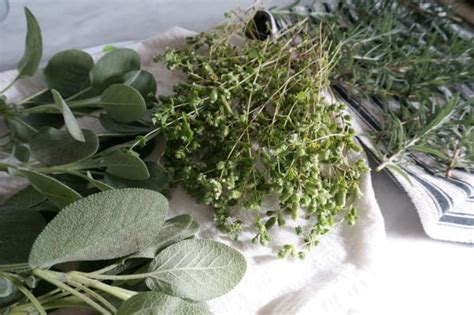
While often associated with older methods, drying is still a fantastic way to preserve certain herbs, particularly those with a strong aroma like oregano, thyme, and bay leaves. Simply hang small bundles in a well-ventilated, dry, dark area, or use a food dehydrator on a low setting. Once brittle, crumble and store in airtight jars.
Another creative method is to infuse olive oil or vinegar with your herbs. This is a delightful way to capture their essence for salad dressings or cooking. Just be sure to properly sterilize your bottles and refrigerate infused oils, consuming them within a few weeks to prevent botulism risk.

General Tips for Maximizing Herb Longevity
- Handle with Care: Fresh herbs are delicate. Avoid crushing or bruising them during transport and preparation.
- Wash Gently, Dry Thoroughly: Always wash herbs before storage, but ensure they are completely dry (unless using the water bath method) to prevent mold and rot.
- Avoid Crowding: Give your herbs space. Overcrowding in containers or bags can lead to faster spoilage.
- Regular Checks: Periodically check your stored herbs and remove any wilting or browning leaves. One bad leaf can spoil the bunch.
- Know Your Herb: Different herbs have different needs. Basil likes warmth, most others prefer the fridge.
Embrace the Green: Longer-Lasting Flavor at Your Fingertips
With these simple yet effective techniques, you no longer have to mourn the rapid demise of your freshly bought herbs. Real foodies understand that preserving the vibrancy of these culinary treasures is not just about reducing waste; it’s about having access to peak flavor whenever inspiration strikes. Experiment with these methods, find what works best for your favorite herbs, and enjoy weeks of aromatic, verdant goodness in your kitchen.