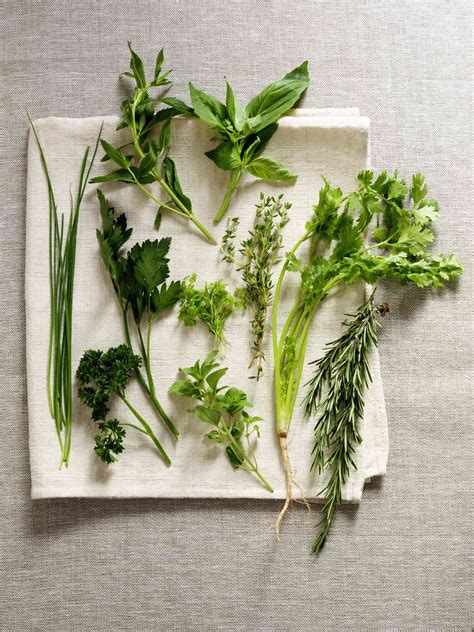
How do real foodies keep fresh herbs vibrant for weeks? Visual tips!

Unlock the Secret to Long-Lasting Fresh Herbs
Fresh herbs are the soul of many dishes, providing vibrant flavors and aromas that elevate everyday cooking. Yet, their notoriously short shelf life can be a common frustration, often leading to wilted leaves and wasted ingredients. But what if you could extend their freshness for weeks, ensuring you always have brilliant green parsley, fragrant rosemary, or pungent cilantro at your fingertips? Real foodies and professional chefs swear by a few simple, visual techniques that are easy to master and will transform your kitchen habits.
The Essential First Step: Proper Washing and Drying
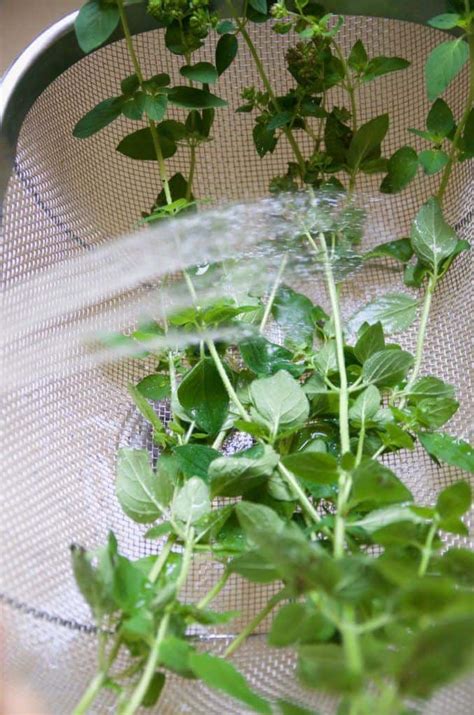
Before you even think about storage, every single herb, regardless of type, needs a thorough but gentle wash. This removes dirt, pesticides, and any unwanted critters. The most critical part of this step is the drying. Moisture is the number one enemy of fresh herbs, as it accelerates spoilage and encourages mold growth. Use a salad spinner for larger quantities or gently pat them dry with paper towels until they are absolutely bone dry. Do not skip this crucial step!
Method 1: The “Bouquet” for Tender Herbs
This method is ideal for delicate, leafy herbs like parsley, cilantro, basil, mint, and dill. Think of it like caring for a bouquet of flowers:
- Trim Stems: Snip about half an inch off the bottom of the herb stems.
- Water Bath: Place the trimmed bunch into a glass or jar filled with about an inch of fresh water.
- Cover and Refrigerate (Most Herbs): For parsley, cilantro, and dill, loosely cover the entire setup (glass and herbs) with a plastic bag (a produce bag works perfectly) and place it in the refrigerator. Change the water every 1-2 days.
- Basil’s Exception: Basil despises the cold. For basil, follow steps 1 and 2, but leave it on your counter away from direct sunlight and drafts. Do not cover it, and change the water daily. Refrigerating basil will turn its leaves black very quickly.

Method 2: The “Paper Towel Roll” for Hardier Herbs
For sturdy, woody-stemmed herbs such as rosemary, thyme, oregano, chives, sage, and bay leaves, the paper towel roll method works wonders. It provides a touch of moisture without over-wetting them:
- Thoroughly Dry: After washing, ensure your herbs are completely dry.
- Damp Paper Towel: Take a paper towel and lightly dampen it – it should be moist, not dripping wet.
- Roll Them Up: Lay your herbs flat on the damp paper towel and gently roll them into a loose cylinder.
- Seal and Refrigerate: Place the rolled herbs into a resealable plastic bag or an airtight container. Store this in your refrigerator’s crisper drawer. The damp paper towel creates a humid environment that keeps them fresh for weeks.

Method 3: Blanching and Freezing for Long-Term Storage
When you have an abundant harvest or want to preserve herbs for months, freezing is a fantastic option. This method is best for herbs you’ll primarily use in cooked dishes, as the texture will soften slightly.
- Blanch: Briefly dunk the clean herbs into boiling water for 15-30 seconds, then immediately transfer them to an ice bath to stop the cooking and lock in color.
- Dry & Chop: Pat the blanched herbs very dry, then finely chop them.
- Ice Cube Tray Method: Fill ice cube tray compartments about two-thirds full with the chopped herbs.
- Add Liquid: Pour a little olive oil or water over the herbs until they are covered. This protects them from freezer burn.
- Freeze & Store: Freeze until solid. Once frozen, pop out the herb cubes and transfer them to a freezer-safe bag or container for easy access. They’ll be ready to drop directly into soups, stews, sauces, and roasts!

General Tips for Maximizing Herb Longevity
- Check Regularly: Inspect your stored herbs every few days. Remove any leaves that show signs of wilting, browning, or spoilage immediately to prevent it from spreading.
- Avoid Crushing: Handle herbs gently to prevent bruising, which accelerates deterioration.
- Optimal Placement: Store herbs in the crisper drawer of your refrigerator, which is designed to maintain ideal humidity levels.

Embrace Weeks of Freshness
With these straightforward, visually-inspired techniques, you’ll dramatically reduce food waste and ensure a steady supply of fresh, vibrant herbs. No more sad, wilted sprigs! Experiment with each method to discover what works best for your specific herbs and kitchen environment. Embrace the joy of cooking with peak-freshness herbs for weeks on end, just like a true foodie.