How do real foodies keep fresh produce vibrant longer for stunning visuals?

For culinary enthusiasts and visual storytellers alike, the allure of fresh produce lies not just in its taste but also in its breathtaking visual appeal. A vibrant plate begins with vibrant ingredients. But how do professional foodies and home chefs dedicated to aesthetics manage to keep their fruits and vegetables looking as if they were just plucked from the garden, day after day? It’s an art backed by science, focusing on proper care from market to plate.
Understanding the Enemies of Freshness: Ethylene, Moisture, and Temperature
At the heart of preserving produce vitality is a deep understanding of what causes it to degrade. Ethylene gas, a natural plant hormone, acts as a ripening agent. While useful for some fruits, it can prematurely spoil others. Excessive moisture can lead to mold and rot, while too little causes wilting. Incorrect temperature storage speeds up deterioration, impacting texture, flavor, and color.
The Golden Rule: Clean, Dry, and Store Smart
1. Initial Prep: Wash and Dry with Precision
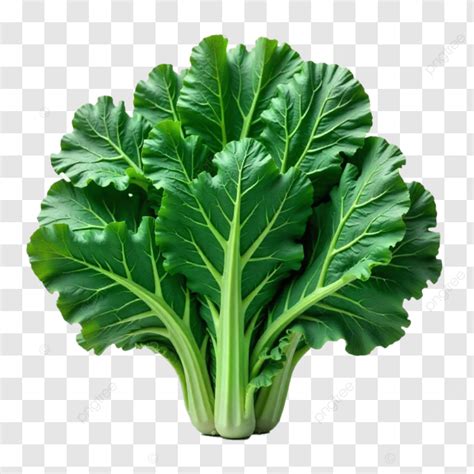
The moment produce enters your kitchen, resist the urge to wash everything immediately unless you plan to use it soon. Excess moisture is the enemy of longevity. For leafy greens, a gentle wash and thorough drying are crucial. A salad spinner is indispensable here, removing water that encourages bacterial growth and limpness. Berries, on the other hand, should only be washed right before consumption to prevent mold.
2. The Refrigerator’s Role: Zone Defense
Your refrigerator isn’t just a cold box; it has different zones designed for specific produce types. The crisper drawers are your best friends. High-humidity drawers (usually on the left) are perfect for leafy greens and most vegetables that benefit from moisture. Low-humidity drawers (often on the right) are for fruits that emit ethylene, preventing them from over-ripening nearby produce. Never store tomatoes, potatoes, or onions in the fridge, as it compromises their texture and flavor.

3. Countertop Champions and Ethylene Emitters
Some produce thrives outside the cold. Onions, garlic, potatoes, sweet potatoes, and winter squash prefer cool, dark, and dry places – not the fridge. Fruits like bananas, avocados, and tomatoes should ripen on the counter and then, if needed, can be moved to the fridge once perfectly ripe (except bananas, which turn black). Keep ethylene-producing fruits (apples, bananas, avocados, peaches) separate from ethylene-sensitive vegetables (broccoli, lettuce, asparagus, cucumbers) to prevent premature spoilage of the latter.

4. Water Baths and Breathing Room
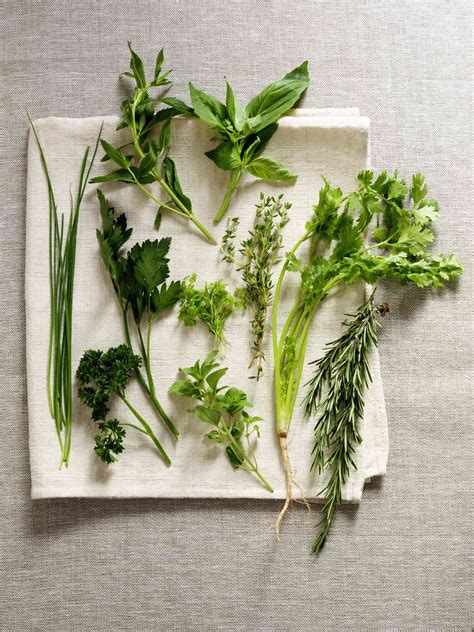
Herbs like parsley, cilantro, and asparagus can be treated like flowers. Trim their stems, place them in a jar with a little water, and cover loosely with a plastic bag before refrigerating. This provides them with constant hydration, keeping them crisp and green for days. Carrots and celery can also be stored in airtight containers submerged in water to maintain their snap.
5. The Power of Proper Wrapping
Different produce requires different wrapping. Leafy greens benefit from being wrapped in damp paper towels and then placed in an airtight container or zip-top bag to maintain humidity without excessive wetness. Mushrooms, surprisingly, do best in their original packaging or a paper bag, which allows them to breathe and prevents sliminess. Plastic wraps can trap too much moisture for some, leading to quicker spoilage.
Revitalization Techniques for Lingering Luster
Even with the best practices, sometimes produce starts to lose its crispness. Don’t despair! Wilting leafy greens or limp celery can often be revived by submerging them in a bowl of ice water for 15-30 minutes. This rehydrates their cells, bringing back their vibrant crunch and visual appeal, making them picture-perfect once more.

Conclusion: A Feast for the Eyes and Palate
Mastering the art of produce preservation is a hallmark of a true food enthusiast. By understanding the science behind spoilage and implementing these smart storage and revitalization techniques, you not only extend the shelf life of your ingredients but also ensure they remain visually stunning for every dish, every photograph, and every delightful meal. It’s an investment in both flavor and presentation, elevating your kitchen life to a whole new level of freshness and beauty.