How do real foodies keep fresh produce vibrant & photo-ready for amazing recipes?

The Secret to Ever-Vibrant Produce: More Than Just Storage
Foodies understand that the visual appeal of ingredients is just as important as their flavor. Keeping produce vibrant isn’t just about preventing spoilage; it’s about preserving its aesthetic integrity from market to plate, ensuring every dish is a feast for the eyes before it even reaches the palate. This guide delves into the secrets professional food lovers employ to keep their fruits and vegetables looking spectacular, ready for their close-up in amazing recipes.
The Art of Selection: It Starts at the Source
A truly vibrant dish begins with impeccably fresh produce. Foodies meticulously select items, looking for firm textures, bright colors, and an absence of blemishes. Understanding seasonality is key, as in-season produce is not only more flavorful but also generally more robust and likely to last longer. Avoid anything that looks dull, bruised, or has begun to wilt – no storage trick can fully revive truly past-its-prime produce.
Upon arriving home, immediate attention is crucial. Resist the urge to just dump everything into the fridge. Proper handling from the get-go sets the stage for longevity.

Mastering Storage: Tailoring Environments for Longevity
One size does not fit all when it comes to produce storage. Different fruits and vegetables have unique needs for temperature, humidity, and airflow. Understanding these nuances is paramount to extending their freshness and vibrancy.
Refrigeration Rules for Peak Freshness:
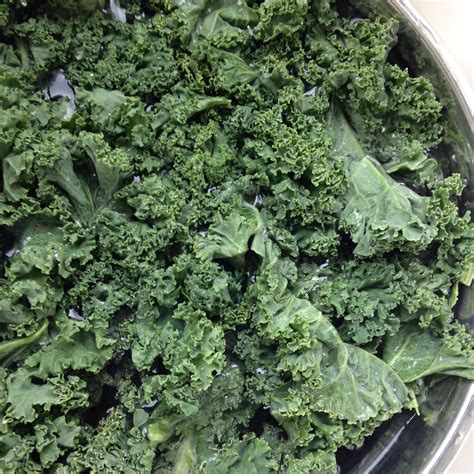
- Leafy Greens (spinach, lettuce, kale): Wash, dry thoroughly, and store in airtight containers lined with a paper towel in the crisper drawer. This creates a humid yet breathable environment that prevents wilting.
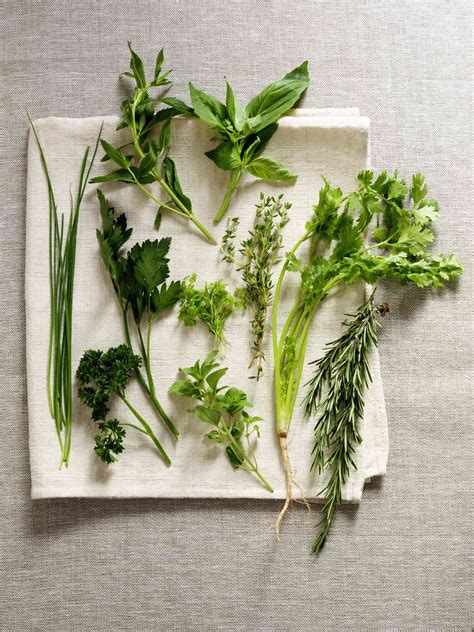
- Herbs: Treat them like flowers. Trim stems, place in a jar with a little water, and cover loosely with a plastic bag, then refrigerate. Woody herbs like rosemary and thyme can be wrapped in a slightly damp paper towel.
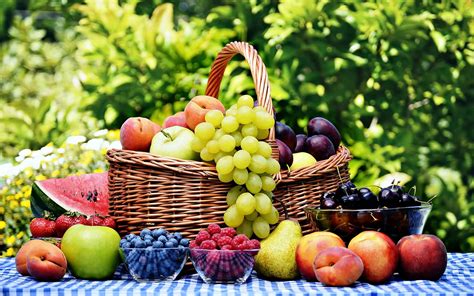
- Berries: Do not wash until ready to eat. Store unwashed in their original containers or in a shallow, breathable container in the fridge to prevent mold.
- Cruciferous Vegetables (broccoli, cauliflower): Store unwashed in an open plastic bag in the crisper to allow some air circulation while maintaining humidity.
Countertop Companions & Pantry Staples:
- Tomatoes, Avocados, Bananas, Stone Fruits: These ripen best at room temperature. Once ripe, some (like avocados, peaches) can be moved to the fridge to slow further ripening.
- Onions, Garlic, Potatoes: Store in a cool, dark, dry place with good airflow, separate from each other to prevent premature sprouting or spoilage. Keep potatoes away from onions especially.
Always be mindful of ethylene gas producers (apples, bananas, avocados) which can accelerate the ripening and spoilage of sensitive produce (like leafy greens, broccoli). Store them separately to maximize the life of your other ingredients.
Pre-Prep & Revitalization Secrets for Photo-Ready Perfection
Sometimes, even with the best storage, produce might need a little boost before its close-up. Foodies have tricks up their sleeves to bring ingredients back to life.
The Ice Bath Revival:
Wilted greens (lettuce, celery, herbs) can often be dramatically revived by soaking them in a bowl of ice water for 15-30 minutes. The cold water helps them rehydrate and crisp up beautifully. Always dry them thoroughly afterwards using a salad spinner or paper towels to prevent sogginess.
Gentle Cleaning & Strategic Chopping:
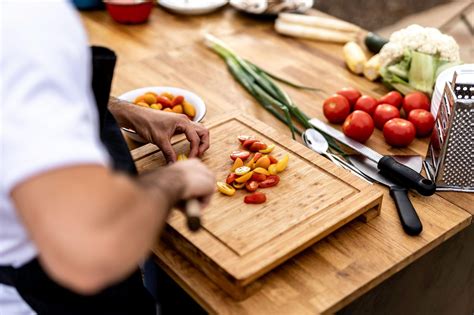
Wash produce just before use. For delicate items, a gentle rinse under cool water is sufficient. For tougher items, a soft brush can remove dirt. Avoid harsh scrubbing that can damage delicate skins. Cut vegetables and fruits only when you’re ready to use them. Exposure to air causes oxidation, leading to discoloration (e.g., apples, avocados). If you must pre-cut, a squeeze of lemon juice or a dip in diluted acidulated water can help prevent browning for some items.
The Final Touch: Presenting Produce for the Camera
Even perfectly fresh produce can look dull in photos if not prepped correctly. A few simple techniques can elevate its visual appeal dramatically.
A Gentle Sheen:
A quick spritz of water can make fruits and vegetables look dewy and fresh, mimicking natural morning dew. Avoid over-misting, which can cause unsightly water spots or make delicate items look soggy.
Highlighting Natural Beauty:
Arrange produce thoughtfully. Show off its best angles, vibrant colors, and interesting textures. A slight tilt, a carefully placed cut, or strategic layering can make all the difference in composition. Think about how light will hit the produce to emphasize its freshness.
Cleanliness is Key:
Ensure there’s no visible dirt, water spots, or imperfections. A quick wipe with a clean, damp cloth can work wonders to remove any dust or smudges that might detract from its appeal. Sometimes, even polishing certain fruits with a soft cloth can enhance their natural luster.

Conclusion: A Commitment to Freshness and Beauty
For real foodies, keeping produce vibrant and photo-ready is an integral part of the culinary journey. It’s a harmonious combination of mindful shopping, intelligent storage, timely revival techniques, and a touch of artistic presentation. By mastering these practices, you not only elevate the aesthetic appeal of your dishes but also enhance their flavor and nutritional value, transforming every meal into an edible masterpiece, ready for the camera and, more importantly, ready for delightful consumption.